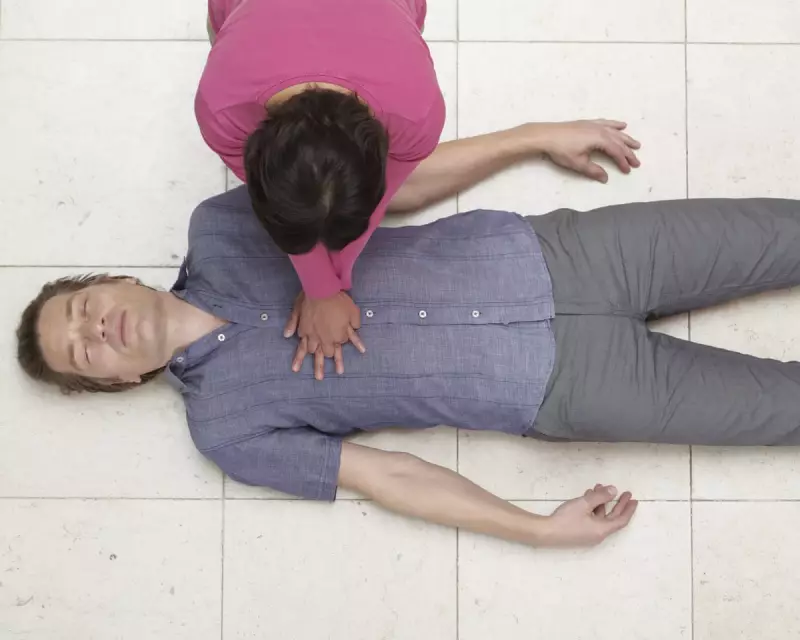
Unrealistic portrayals of cardiopulmonary resuscitation (CPR) on popular television dramas are creating dangerous public misconceptions and may be putting lives at risk, a new study has warned. Researchers argue that overly complex depictions are discouraging viewers from stepping in during real-life emergencies, despite the fact that simple chest compressions alone can be enough to save an adult.
The Gap Between Screen and Reality
A team from the University of Pittsburgh analysed US television episodes from 2008 onwards that featured out-of-hospital cardiac arrests. The study, published in Circulation: Population Health and Outcomes, reviewed shows including Dexter, Homeland, and Breaking Bad.
They discovered a significant disparity between fictional portrayals and official medical guidance. Of the 54 episodes where a layperson performed CPR, only 16 showed compression-only CPR. In contrast, 26 episodes depicted rescue breaths being given alongside compressions, and 23 showed an untrained person checking for a pulse.

This contradicts the clear advice from both the American Heart Association (AHA) and the NHS, which since 2008 has stressed that untrained individuals should focus solely on hands-only chest compressions for adults, avoiding breaths and pulse checks.
Why TV Portrayals Matter
Lead researcher Ore Fawole highlighted the powerful influence of television on public knowledge. "People are watching thousands of hours of television every single year," Fawole said, noting that for many, this exposure outweighs infrequent visits to a doctor.
Co-author Dr Beth Hoffman supported this, stating that during community CPR trainings, people frequently ask about checking for pulses or breaths, queries likely influenced by what they see on screen. This confusion can create a critical barrier to action during the narrow window to save a life.
The study also found other misleading trends. While about 80% of real cardiac arrests occur at home, only 20% of the TV episodes depicted this setting. Furthermore, over half of fictional patients receiving CPR were under 40, despite the real-world average age being 62.
The UK Reality and the Simple Solution
The stakes in the UK are high. The British Heart Foundation (BHF) reports over 30,000 out-of-hospital cardiac arrests occur annually. Globally, bystander CPR rates remain worryingly low, at just 35-45% according to the AHA.
Lizzie Moscardini, RevivR programme manager at the BHF, emphasised the dual power of television. She referenced the foundation's successful "hands-only" CPR campaign featuring Vinnie Jones, which gave people the confidence to act and saved lives. "This new research highlights the flip side: without following the most up-to-date advice, TV can also create confusion," Moscardini said.
She stressed that in a UK emergency, a 999 call handler will guide a caller through starting chest compressions. The crucial message is to act quickly and not be paralysed by fear of doing it wrong. "We urge everyone to take a few minutes to learn CPR. Our free online tool, RevivR, can teach you the skills in just 15 minutes," she added.
The research underscores a clear call to action: public health messaging must compete with fictional narratives, and individuals should equip themselves with the simple, evidence-based skill of hands-only CPR to become potential lifesavers in their communities.