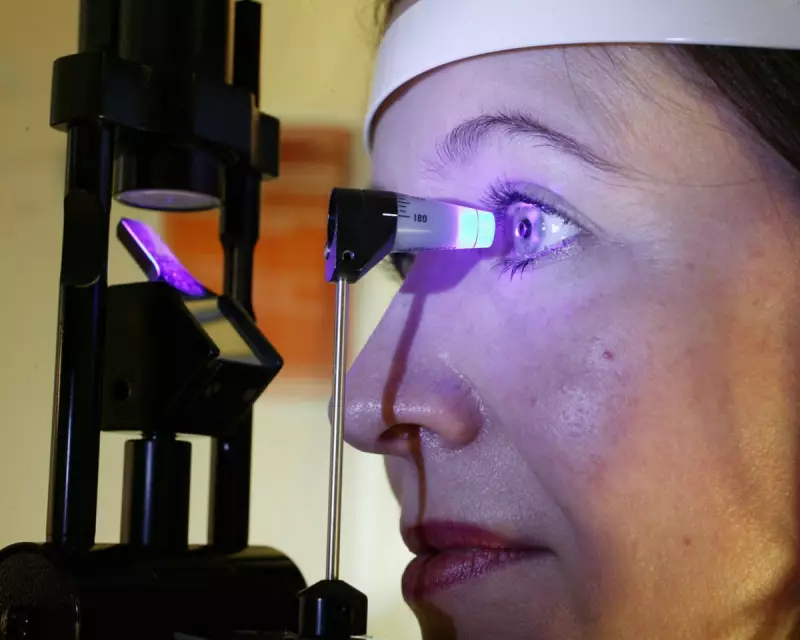
UK Faces Glaucoma 'Demographic Timebomb' with Cases Set to Soar
New estimates published in the British Journal of Ophthalmology reveal a stark projection: the number of people living with glaucoma in the United Kingdom is expected to rise dramatically to at least 1.6 million by 2060. This represents a significant increase from the current estimate of approximately 1.1 million individuals affected by this leading cause of irreversible blindness worldwide.
Drivers of the Sharp Increase
Researchers from University College London and Moorfields Eye Hospital attribute this impending surge to two primary demographic factors. Firstly, the UK's ageing population is a major contributor, as glaucoma is most prevalent in individuals over the age of 50. Secondly, there is growth in the proportion of higher-risk ethnically diverse groups within the population. The study indicates that the condition currently affects about 3% of the population over 40, but this rises to 4% among people of African descent and a striking 11% in those over 85.
Professor Paul Foster, the study's lead author and a consultant ophthalmic surgeon at Moorfields, emphasised the silent nature of the disease. "Glaucoma is a common cause of blindness, but it isn't symptomatic until its later stages, so regular tests are important for early diagnosis," he stated. The research suggests that about half of all glaucoma cases remain undiagnosed, with this figure being even higher in some ethnic minority communities who often experience delays in receiving a diagnosis.

Urgent Call for Action and Expanded Services
The projected figures, based on population predictions from the Office for National Statistics, have prompted experts to describe the situation as a 'demographic timebomb' requiring immediate and serious planning. There is a pressing need to expand ophthalmology services across the UK to meet the anticipated rise in demand. This includes increasing both specialist care capacity and diagnostic capabilities within the NHS and private eye care sectors.
Professor Foster highlighted the consequences of late diagnosis: "Late diagnosis comes with a higher risk of sight loss and higher costs of care; over 40% of glaucoma patients in the UK experience vision loss that could have been prevented with earlier diagnosis and treatment such as eye drops or surgery." He called for targeted awareness campaigns to encourage regular eye checks, particularly among underserved and hard-to-reach populations.
The Critical Importance of Regular Eye Tests
Glaucoma damages the optic nerve, which connects the eye to the brain, and typically develops slowly over many years without exhibiting noticeable symptoms. This underscores the vital importance of annual eye examinations, especially for individuals in middle age and beyond. Joanne Creighton, Chief Executive of Glaucoma UK, which commissioned the research, reinforced this message. "Many of the 1 million adults estimated to have glaucoma would not know they had the condition, and potentially lose sight that they would never be able to recover," she said.
Creighton added, "This landmark study also predicts a 60% increase in glaucoma cases by 2060... This is a demographic timebomb, and we need serious planning and action now to prepare to diagnose, treat, and support these future patients. These findings highlight why routine eye tests are more important than ever before." The call to action is clear: proactive measures in public health awareness and service expansion are essential to mitigate a preventable wave of vision loss in the coming decades.