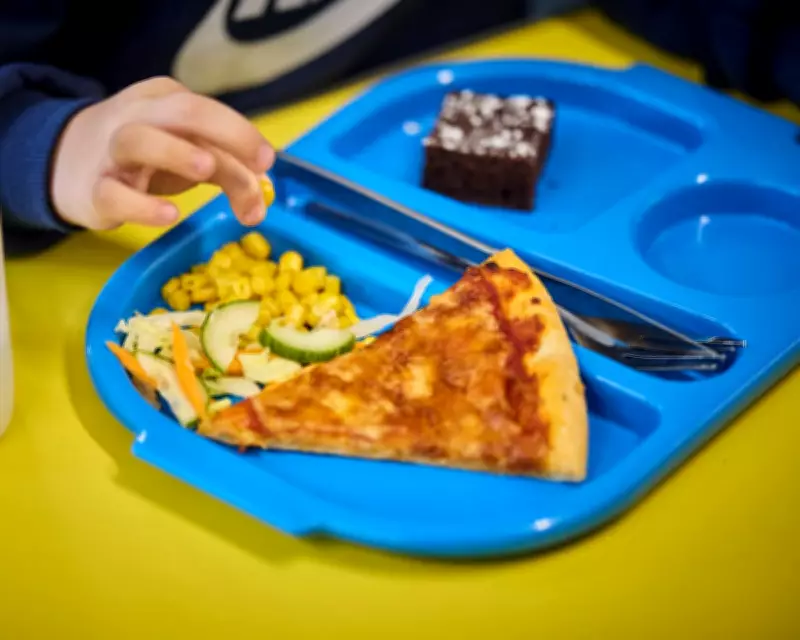
Grab-and-Go Culture Ousts Nutritious Meals in English Schools
A recent report supported by celebrity chef Jamie Oliver has uncovered a troubling trend in secondary schools across England. Pupils are increasingly forgoing traditional sit-down meals in favor of convenient grab-and-go options such as pizza slices, sausage rolls, and paninis. This shift is raising alarms among food campaigners who fear it could exacerbate childhood obesity and hinder students' ability to focus in class.
Convenience Over Nutrition: The Driving Forces
According to the charity Bite Back, which conducted the study, time and financial pressures are pushing students toward less nutritious foods that are easier to consume on the move. The report highlights that these options often include items like chips, rolls, sugary drinks, cakes, and confectionery, which frequently fail to meet established school food standards.
Bite Back's survey of 2,000 secondary school pupils, along with teachers and head teachers, revealed that 60% of students purchase grab-and-go items at least once a week during lunchtime. Additionally, 40% do so three to five times a week, and 32% consume such foods during morning breaks. The charity noted that while grab-and-go options can play a positive role in busy school schedules, they have become dominated by unhealthy, nutrient-poor choices that are cheaper than balanced main meals.

Enforcement Gaps and Systemic Issues
D'Arcy Williams, chief executive of Bite Back, pointed out a critical flaw in the system: the lack of enforcement for school food standards. He stated, "No one is clearly responsible for enforcing school food standards, and in practice, that means they're not being enforced at all." This has allowed a culture to develop where speed, convenience, and profitability take precedence over children's health.
Jamie Oliver, a long-time advocate for healthier school dinners, commented on the findings, saying, "What children eat at school shapes their health, their confidence, and how well they learn, so when the food isn't nutritious, it's a missed opportunity." He emphasized that the report serves as a stark reminder of ongoing failures in providing adequate nutrition for students.
Student Perspectives and Proposed Solutions
Shalom, a 17-year-old pupil and activist with Bite Back, described the scene in schools: "By the time the lunch bell rings, the grab-and-go section is always the busiest place in school. Students run past the main meal to avoid long queues and wasted free time." She added that the shelves are typically stocked with packaged sandwiches, pizza slices, paninis, and fizzy drinks, creating a tempting but ultimately bland and unhealthy environment.
In response to these concerns, the Department for Education is considering revisions to school food standards for the first time in over a decade. Proposed measures include reducing fat, salt, and sugar content in meals and expanding free school meal eligibility. Advocacy groups like Bite Back, the Food Foundation, and the all-party parliamentary group on school food are calling for enhanced monitoring, potentially overseen by Ofsted, the Food Standards Agency, or school governors.
Bite Back also highlighted that many schools are locked into long-term contracts with large food companies, which often supply an excess of unhealthy grab-and-go products. This structural issue further complicates efforts to improve nutritional offerings.
As the debate continues, the need for actionable solutions to ensure that school meals support the health and academic success of England's children remains urgent.