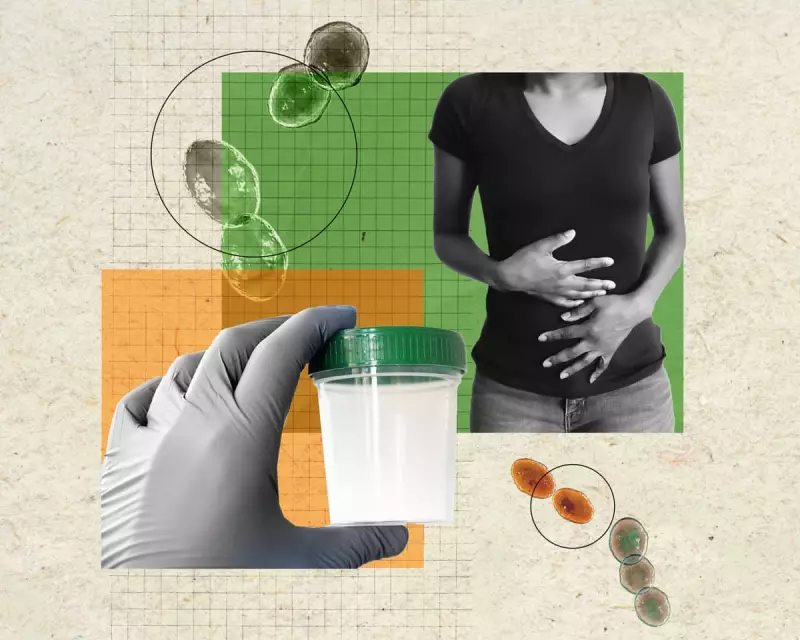
At-home gut microbiome tests, often marketed as 'GI mapping' kits, are increasingly promoted by online influencers as a tool to 'hack your health' and 'take control' by analysing the trillions of organisms in the digestive tract. For a few hundred dollars, individuals can send a stool sample to a laboratory and receive a report, sometimes generated by artificial intelligence, detailing food sensitivities, metabolic fitness, and potential pathogens or fungi. However, the real value and accuracy of these tests are under scrutiny from medical professionals.
Expert Insights on Interpretation Challenges
Prof Rupert Leong, a gastroenterologist and microbiome researcher at Macquarie University Hospital, notes that he frequently encounters patients who are alarmed by gut microbiome reports they struggle to comprehend. He explains that while such testing can be 'very powerful and accurate' in detecting microbial markers, interpreting what these markers mean for an individual's health remains a significant challenge. Different laboratories employ varying methodologies, leading to inconsistent results, and the science is still in its early stages of development.
Limited Clinical Utility for Most People
Leong emphasises that when a gut microbiome test is ordered by a specialist doctor or accredited dietitian for a clear clinical reason, sent to a reputable lab, and interpreted by trained professionals, it can be genuinely helpful. For instance, he cites a case involving a patient with inflammatory bowel disease where the results aided in confirming dietary issues and guiding treatment after other conditions were ruled out. However, such scenarios are exceptions rather than the norm.

For the vast majority of individuals who purchase these tests online out of curiosity or to address symptoms, Leong asserts that 'there are no translatable benefits.' Factors like temporary dietary changes, medications, or illness can skew results, and the implications for long-term health outcomes are not well understood. Moreover, a healthy mix of organisms in one person might be problematic in another, as the same organism can behave differently across individuals.
Risks of False Alarms and Distress
One concerning aspect highlighted by Leong is the potential for false alarms. He recounts a patient who panicked about bowel cancer after a commercial home test indicated inflammatory markers. Leong clarifies that a colonoscopy remains the definitive test for investigating bowel polyps and cancers, and evidence-based screening methods, such as the free home bowel screening test offered by governments, are more reliable for early detection.
Additionally, while some at-home tests claim to provide insights into metabolism or inflammation, Leong points out that 'very few experts can use these results appropriately at present,' including gastroenterologists. This is due to a lack of training in interpreting complex outputs, ongoing scientific development, and the absence of clear guidelines on how to act on the information.
The Illusion of Control and Data Concerns
Dr Erica Zurawski, an assistant professor in environmental studies, critiques the marketing of at-home microbiome tests as empowering tools that encourage consumers to internalise health responsibility. She argues that this approach often oversimplifies the complexity of gut health, ignoring factors like stress, pollution, and access to healthcare. Her research suggests that these kits can make individuals feel they are at fault for health issues, while broader societal and environmental influences are sidelined.
Zurawski also raises concerns about data privacy, noting that consumers may be giving their personal health information to large for-profit companies without fully understanding the implications. This adds another layer of risk to the already questionable benefits of these tests.

Practical Advice for Supporting Gut Health
Instead of relying on at-home tests, experts recommend more straightforward and evidence-based approaches to gut health. Leong advises starting with 'a diverse diet, high in fibre,' which is a sensible and accessible way to support digestive well-being. Zurawski adds that governments have a responsibility to address broader social and environmental conditions, such as poverty, housing, pollution, and access to nutritious food, which significantly impact gut health.
For those experiencing gut symptoms or concerns, Leong strongly recommends consulting a qualified dietitian or general practitioner before investing in expensive at-home testing. This ensures that any underlying issues are properly diagnosed and managed through professional guidance, rather than through potentially misleading commercial products.