Menopause Tech Boom: Experts Warn of 'Gold Rush' Amid Growing Market
In an era where wearable technology tracks everything from heart rates to sleep patterns, the latest frontier is menopause. A burgeoning market of apps, gadgets, and devices promises relief for menopausal symptoms, capitalising on reduced stigma and growing awareness. However, experts are sounding the alarm about a potential 'menopause gold rush', urging women to seek evidence-based solutions rather than falling for overhyped products.
The Rise of Menopause Technology
The global menopause market is projected to reach approximately $24 billion (£19 billion) by 2030, according to Grand View Research. This surge has attracted venture capital funds, corporate giants like Bayer and Unilever Ventures, and retail partners such as Tesco. Products range from cooling bracelets, like the £229.99 MyCelsius device, to apps offering dietary advice and symptom tracking.
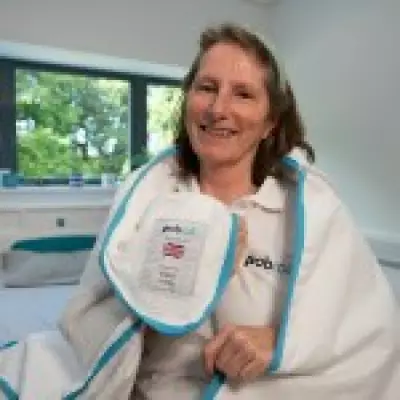
Sarah Garlick, 50, who entered surgical menopause after a hysterectomy, shared her experience. 'I bought a range of products when it first happened, including a £60 nightie that promised to regulate my temperature,' she said. While initially sceptical, she found relief through a trial of the MyCelsius bracelet, highlighting how stigma reduction has opened conversations. 'I show off my wristband and speak openly about what helps,' she added.

Scrutiny and Scepticism in a Booming Industry
With rapid growth comes increased scrutiny. A University College London study, led by Professor Joyce Harper, warned of unregulated companies exploiting a lack of reliable information, calling for a national education programme. Maxime Kryvian, co-founder of Celsius Innovations, acknowledged the scepticism. 'We've seen this in areas like supplements—it's hard to attribute exact impact,' he said, emphasising the need for science-backed development.
Kryvian advised consumers to scrutinise products carefully. 'Ask how it was developed, by whom, and what data supports its claims. Look at customer reviews and whether companies offer reimbursements if it doesn't work,' he added, noting that such transparency can signal credibility.
Expert Advice: Caution Over Gadgets
Dr Claire Phipps, a menopause specialist at London Gynaecology, cautioned against rushing to buy tech solutions. 'I wouldn't advise anyone to rush out and buy anything marketed as menopause relief without solid evidence,' she said, pointing to a lack of randomised controlled trials in the industry. She highlighted that even simple tools, like handheld fans or basic period trackers, can be effective for some women.
Phipps stressed the importance of evidence-based approaches in a market flooded with misinformation. 'The internet is full of exaggerated claims spread by influencers. We need to focus on science,' she said, advocating for lifestyle changes such as nutrition and stress management as first steps. 'If symptoms persist, seek professional advice rather than relying on unverified gadgets.'
The Broader Impact and Future Outlook
Nearly two in three women over 50 in the UK report struggles with mental health, relationships, and appearance changes due to menopause, underscoring the need for reliable support. Unlike fertility care, which is tightly regulated, menopause has fewer safeguards, allowing anyone to label themselves a 'menopause coach'. This regulatory gap fuels uncertainty and misinformation.
As the 'menopause economy' expands, experts urge a balanced perspective. While technology offers potential benefits, consumers must navigate a landscape rife with hype. By prioritising evidence and professional guidance, women can make informed choices in a market poised for continued growth but in need of greater oversight and education.