Sea moss has exploded in popularity on social media platforms like TikTok, with influencers promoting it as a natural remedy for everything from acne to gut health. However, medical and nutrition experts are raising serious concerns about its safety and efficacy, warning that the hype often outstrips the scientific evidence.
What Is Sea Moss and Why Is It Trending?
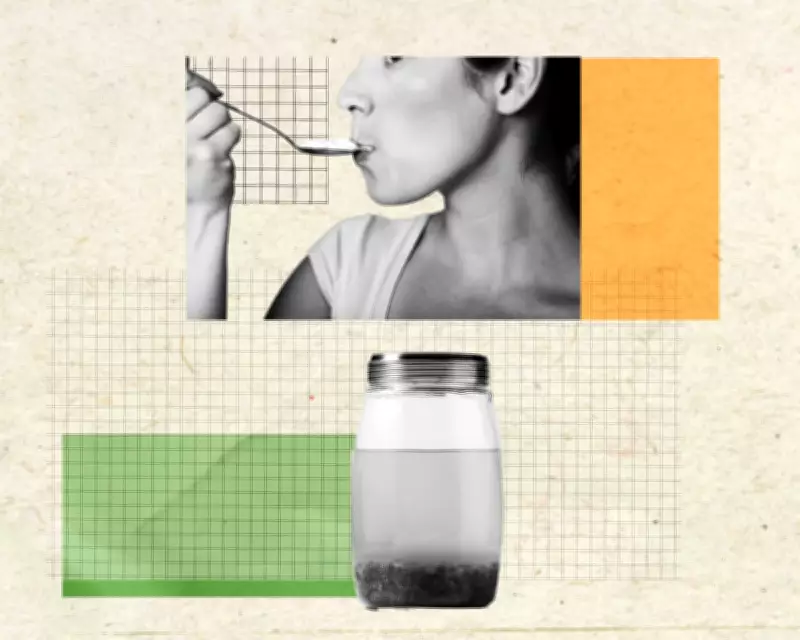
Sea moss, a type of algae closely related to Irish moss, is typically sold in jars for prices starting around $35. It often comes in vibrant colors like bubblegum pink or aquamarine, with added ingredients such as chlorella. On TikTok, users claim it contains over 92 essential nutrients and can resolve skin issues or digestive problems, though many videos show influencers struggling to consume its slimy, congealed texture.
Limited Evidence for Health Benefits
Dr. Margaret Murray, a nutrition course director at Swinburne University, notes that while algae products like sea moss and chlorella have been studied for potential health benefits, most research is based on cell or animal models. Early studies suggest algae might help manage blood sugar levels or support healthy cholesterol, but these findings are not robust predictors for humans.

"It is also unlikely that an average healthy person is going to notice significant benefit in these areas," Murray explains. She emphasizes that using sea moss as a complementary therapy for conditions like elevated blood sugar or cholesterol should only be done under the guidance of an accredited dietitian and medical professional, as evidence-based dosing recommendations are lacking.
Nutrient Density vs. Whole Foods
Murray acknowledges that algae are nutrient-dense, containing vitamins, minerals, amino acids, and fiber. However, she stresses that there is no additional benefit to getting nutrients from these supplements compared to whole foods. "I always advise to get nutrients from food first, and supplements as a backup plan," she says, cautioning that sea moss cannot compensate for a poor diet.
Potential Risks and Safety Concerns
Associate Professor Evangeline Mantzioris, an accredited dietitian, highlights that sea moss contains iodine, which can be problematic for individuals with thyroid issues. Additionally, it may accumulate heavy metals from seawater, posing health risks. Mantzioris points out that limited human studies, such as one small trial on chlorella reducing mercury levels, provide insufficient evidence for safety claims.
Both experts warn that the term "natural" is misleading. "Just because something is natural, or found in nature, doesn't mean it is safe or beneficial to humans," Murray notes, citing examples like death cap mushrooms. They advise that while sea moss might be safe in normal amounts as part of a balanced diet for communities with cultural traditions of consumption, it should not be seen as a miracle cure.
Conclusion: A Balanced Approach to Wellness
In summary, the viral trend of sea moss on TikTok underscores a broader issue in wellness culture, where anecdotal claims often overshadow scientific rigor. Experts urge consumers to approach such supplements with skepticism, prioritize whole foods, and consult healthcare professionals before incorporating them into their routines. As the algae products market is projected to grow significantly, informed decision-making becomes crucial to avoid potential health pitfalls.