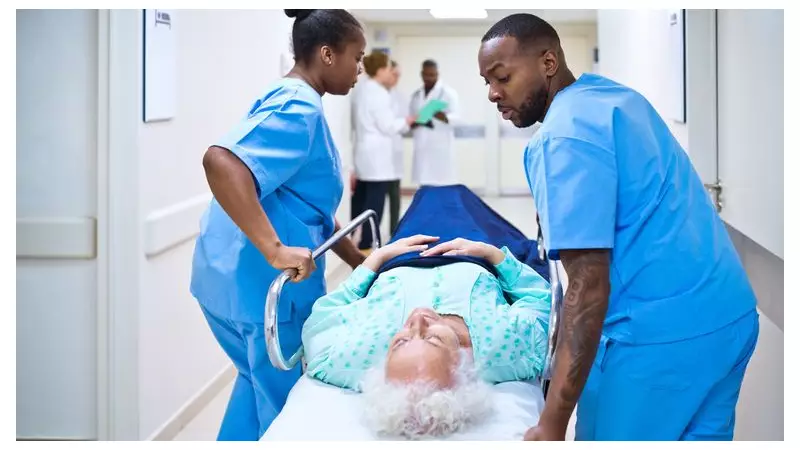
Hospitals across the National Health Service are deploying artificial intelligence in a major drive to reduce waiting times in Accident and Emergency departments this winter.
How the AI Forecasting Tool Works
The innovative technology analyses historical data, including weather trends and seasonal patterns, to pinpoint precisely when demand for emergency care is likely to surge. This allows hospital managers to plan staff rotas and bed allocation with much greater accuracy. About 50 NHS organisations have already adopted the system, which is part of the Labour government's AI Exemplars programme aimed at boosting public service efficiency.
Ian Murray, the minister for digital government and data, reported that hospitals are already seeing "great results." He explained the tool's practical impact: "You've no idea how many people will come through the door, although you can have some analytical evidence that Saturday nights might be busier than a Tuesday night... It helps us to predict how busy their A&E departments are going to be."

Freeing Up Resources and Staff
By predicting busy periods, the AI enables a more strategic deployment of resources. Mr Murray detailed that this could mean having more consultants or nursing staff on duty at critical times. Furthermore, it helps hospitals plan to "free up beds further down the pipeline" by facilitating earlier patient discharges when a rush is anticipated.
Professor Julian Redhead, national medical director for urgent and emergency care at NHS England, emphasised the importance of the tool: "Early and efficient planning is key to managing busy periods like winter, and new tech like the AI tool has the potential to make a real difference to the way we manage care for patients."
Part of a Broader NHS Modernisation Drive
The rollout is a key component of Prime Minister Sir Keir Starmer's initiative to harness AI across public services. Ian Murray stated the core goal is modernisation: "using the tools to allow clinicians and professionals to do the things that they're trained to do, rather than having to be bound down by bureaucratic processes."
Liz Kendall, the Secretary of State for Science, Innovation and Technology, said this adoption takes the health service's use of AI a "step further." She added: "By helping to predict demand, this AI forecasting tool is getting patients the care they need faster while supporting our incredible NHS staff... easing pressure by ensuring the NHS is at the forefront of the latest technology during the busiest time of year."