Exclusive: Scandal-Hit Hospital Admits Patients Caught in Dirty Water and Mould Incident in Cancer Ward
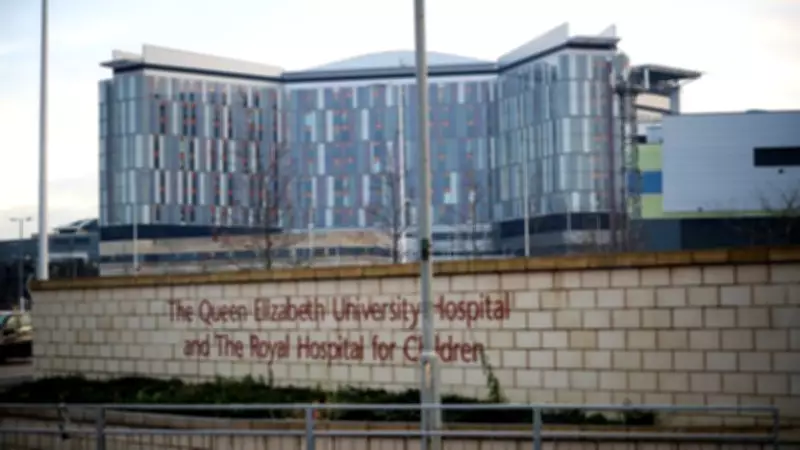
In a shocking revelation, patients at one of Britain's largest hospitals were exposed to mould and dirty water inside a cancer ward, sparking a major health scare. The Queen Elizabeth University Hospital in Glasgow, which opened in 2015, is already under a corporate homicide investigation into deaths potentially linked to environmental issues.
Incident Details and Immediate Response
Sky News has uncovered that the incident occurred in ward 4B, the adult bone marrow transplant unit, where several rooms had to be closed due to water ingress and mould discovery. Bone marrow transplant patients are among the most vulnerable in the NHS, with heavily suppressed immune systems that make them susceptible to life-threatening infections from common airborne mould.
The Healthcare Infection Incident Assessment Team (HIIAT) issued a red alert, the most serious infection control warning in Scotland's health service. In response, air scrubbers have been deployed in corridors, and regular air sampling is now being conducted in the ward, measures typically reserved for high-risk infection incidents.

NHS Response and Lack of Transparency
NHS Greater Glasgow and Clyde admitted to conducting clinical investigations into a small number of patients related to the situation, all of whom have been discharged and are reportedly causing no concern. However, the health board has refused to disclose how many patients were involved, what prompted the checks, or whether any infections were suspected.
Despite Sky News submitting ten detailed questions nearly a week ago, including inquiries about patient exposure to mould or contaminated water, almost all remain unanswered. The Scottish government separately confirmed that patients were identified in relation to this incident and have since been discharged.
Expert Warnings and Ongoing Safety Concerns
Leading bacteriologist Hugh Pennington expressed deep concern over the findings, stating that water ingress should not occur in such facilities. He warned that mould could potentially infect patients with zero immune systems, posing a lethal risk. Pennington emphasized that the affected part of the hospital is not safe, contradicting assurances from Scotland's First Minister John Swinney, who insists the hospital remains safe despite ongoing issues.
The Queen Elizabeth University Hospital continues to face scrutiny over contaminated water and ventilation system problems, with a corporate homicide investigation underway into past patient deaths. This latest incident adds to the long-running scandal, raising serious questions about hospital safety and management practices.