Glasgow Hospital Scandal: Water Infection Failures Linked to Child Deaths
The Queen Elizabeth University Hospital in Glasgow, which opened in 2015, is at the centre of one of the UK's most devastating healthcare scandals. A leaked report, revealed by whistleblowers just days before the hospital's launch, warned of high risks associated with the water supply. This warning went unheeded, leading to tragic consequences that have since unfolded.
Child Deaths and Illnesses Linked to Contaminated Water
Several children have died, and more than 80 fell ill at the hospital campus, with health bosses admitting the facility opened too early. NHS Greater Glasgow and Clyde, the local health board, long denied any connection between bacteria-related illnesses and the water system. However, this week, the NHS finally conceded that some infections were probably linked to the water contamination.
Police and prosecutors in Scotland have now named Glasgow's NHS as a suspect in a corporate homicide investigation, highlighting the severity of the situation. Health leaders have issued a full and unreserved apology for their handling of the crisis and the harm caused to patients and families.

Personal Tragedies: Molly and Milly's Stories
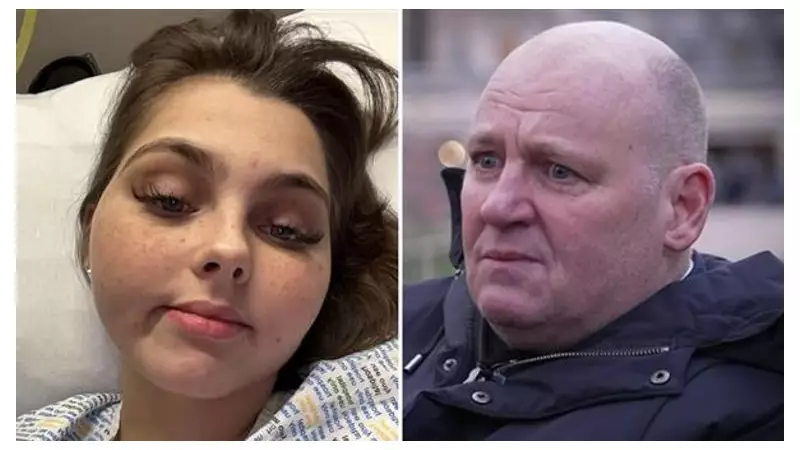
John Cuddihy, whose daughter Molly was diagnosed with cancer at age 15, spoke out about how failings within the institution meant to protect her cost Molly her life. She contracted an infection possibly linked to contaminated hospital water, which severely impacted her quality of life before her death in 2025. Prosecutors are separately examining her case.
In an emotional statement, Mr Cuddihy described Molly as the most remarkable wee girl and condemned the lack of transparency from NHS leaders, stating that corporate failings led to her shortened life.
Another tragic case involves 10-year-old Milly Main, who passed away in 2017 after contracting an infection found in water while recovering from leukaemia treatment. Her mother claims she was murdered, and detectives are investigating her death as part of the ongoing probe. Milly's case was a key catalyst for the judge-led public inquiry into the scandal.
Whistleblower Concerns and Ongoing Safety Issues
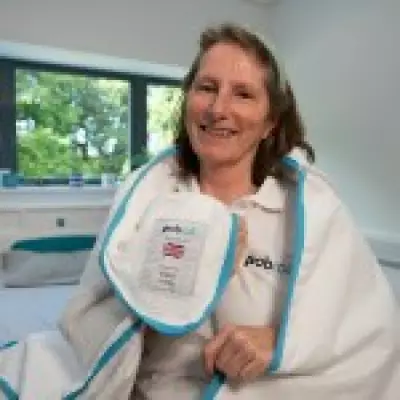
Dr Christine Peters, a consultant microbiologist at the hospital, risked her career to blow the whistle on safety concerns when the campus opened. She described being mocked and intimidated by senior NHS leaders when raising alarms about potential fatal infections. Dr Peters believes that if whistleblowers had been listened to, deaths and harm might have been avoided.
When asked if the hospital is safe today, as NHS leaders claim, Dr Peters expressed uncertainty, stating she lacks evidence to confirm its safety after ten years. NHS Greater Glasgow and Clyde has admitted to previously mistreating whistleblowers but maintains that comprehensive steps have been taken to address past defects, with ongoing maintenance and monitoring in place.
Families' Struggles and Allegations of a Cover-Up
Charmaine Lacock's daughter Paige contracted a life-threatening infection during cancer treatment at the hospital, forcing the family to battle both cancer and the infection. Ms Lacock reported a culture of denial when seeking answers and believes there was a conspiracy to cover up the truth.
Similarly, Karen Stirrat alleges that American doctors revealed her son's medication in Scotland was due to dirty water and a dirty hospital, rather than cancer treatment drugs. She claims there has been a cover-up to protect from future prosecutions.
Scottish Labour has pressured the SNP Scottish government over whether ministers pushed to open the hospital before it was ready in 2015, a claim rejected by First Minister John Swinney.
Conclusion: A Call for Accountability and Change
This scandal underscores critical failures in NHS governance, transparency, and patient safety. With a corporate homicide investigation underway and ongoing public inquiry, families continue to seek justice and assurance that such tragedies will not recur. The need for robust oversight and a culture that values whistleblowers is more urgent than ever in the UK's healthcare system.