Glasgow Hospital Scandal: Water Contamination Linked to Child Deaths
A devastating scandal has emerged at one of the United Kingdom's most prominent hospitals, with evidence suggesting that contaminated water supplies may have contributed to the deaths of several children. The Queen Elizabeth University Hospital in Glasgow, which opened in 2015 at a cost of nearly £1 billion, is now at the centre of a corporate homicide investigation and a public inquiry.
Warnings Ignored and Lives Lost
Shockingly, the hospital opened its doors just days after a confidential report, leaked by whistleblowers, explicitly warned of "high risks" associated with the water supply. Despite these urgent warnings, health bosses proceeded with the launch, later admitting the facility opened too early. This decision had tragic consequences.
Several children died and more than eighty others fell ill on the hospital campus. For years, NHS Greater Glasgow and Clyde, the local health board, denied any connection between these bacteria-related illnesses and the hospital's water system. However, in a significant reversal this week, the NHS has finally conceded that some infections were probably linked to the contamination.

Families Devastated by Institutional Failings
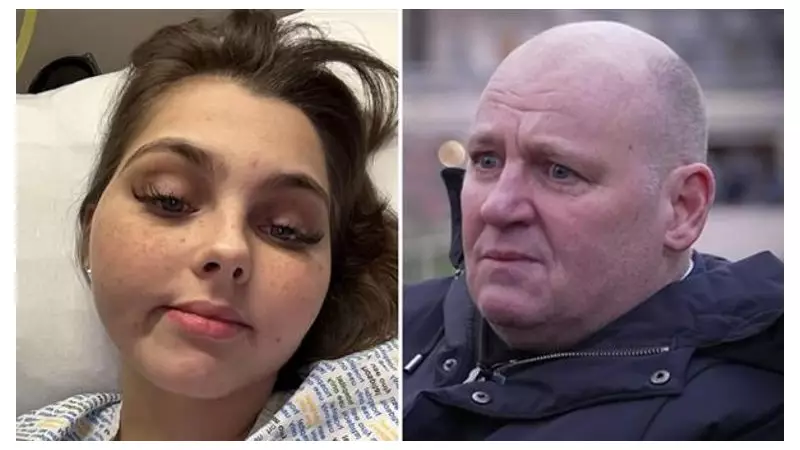
The human cost of this scandal is heart-breaking. Molly Cuddihy was diagnosed with cancer at the age of fifteen before contracting a severe infection that her family believes was linked to the hospital water. She passed away in 2025. Her father, Professor John Cuddihy, a former police officer, has become a vocal campaigner for answers.
"Molly's life was cut short because of failings within an institution that was there to protect her," he stated emotionally. "They failed to protect her. That is very, very hard to forgive." He praised the frontline staff as "world class" but condemned NHS leadership for a profound lack of transparency.
Another tragic case involves ten-year-old Milly Main, who died in 2017 after contracting an infection found in water while recovering from leukaemia treatment. Her mother has gone so far as to claim her daughter was murdered, and detectives are examining her death as part of the wider investigation.
Whistleblower Speaks Out on Ongoing Safety Concerns
Dr Christine Peters, a consultant microbiologist who was the infection control doctor when the hospital opened, risked her career to publicly blow the whistle on her concerns. She described "immediately having concerns about the validation of the building" and feared the potential for fatal infections.
Dr Peters alleges she was "mocked" and "intimidated" by senior NHS leaders when raising the alarm. When asked if listening to whistleblowers could have prevented harm, she replied, "That is my belief. It is an awful thought."
Critically, when questioned if she believes the hospital is safe today, as NHS leaders assert, Dr Peters responded cautiously. "Do we have the evidence to show us the hospital is safe today? From my personal point of view, I don't have the evidence that satisfies me," she told Sky News.
A Culture of Denial and Alleged Cover-Up
Other families have come forward with harrowing stories. Charmaine Lacock's daughter Paige contracted a life-threatening infection during leukaemia treatment at age two. Ms Lacock says she faced a culture of denial when seeking answers and believes there was a conspiracy to cover up the truth.
Karen Stirrat alleges that after flying her son to the United States for treatment, American clinicians told her the medication prescribed in Scotland was for "dirty water and your dirty hospital" rather than his cancer. She too alleges a systematic cover-up.
NHS Apology Amidst Political Pressure
In recent days, health leaders have issued a "full and unreserved apology" for the handling of the crisis. A spokeswoman for NHS Greater Glasgow and Clyde stated, "We want to reassure patients and families that the QEUH and RHC are safe today." The trust acknowledged past failures in culture and communication but denied any campaign to cover up the issues.

The scandal has ignited significant political pressure. Scottish Labour has questioned the SNP Scottish government over whether ministers pressured the hospital to open prematurely in 2015. First Minister John Swinney has rejected these claims.
As police and prosecutors continue their corporate homicide investigation, and the public inquiry seeks answers, the families of those affected continue their fight for justice, accountability, and assurances that such a tragedy can never happen again.