A hospital in Swindon is taking a firm stand against the rising tide of violence and abuse faced by its frontline staff, launching a renewed campaign to shatter the dangerous belief that such behaviour is 'part of the job'.
The Shocking Reality for Frontline Medics
The initiative at Great Western Hospital (GWH) follows alarming survey data and harrowing staff testimonies. One in four staff members reported experiencing harassment, bullying or abuse from patients and the public in the latest NHS staff survey. Yet, barely half said they would report such incidents, and only two-thirds would report physical violence.
Hugo, an advanced clinical practitioner whose name has been changed, described a typical aggressive encounter in A&E. "When I asked if I could help, he told me, 'Fuck off you gay cunt,'" he recalled. The patient then grabbed a crutch and began swinging it. While Hugo's primary instinct was to protect colleagues and patients, he admits such incidents are "psychologically exhausting to deal with." Other staff featured in the hospital's campaign videos have endured being strangled, punched in the face, and spat on.

A Cultural Shift Backed by Police
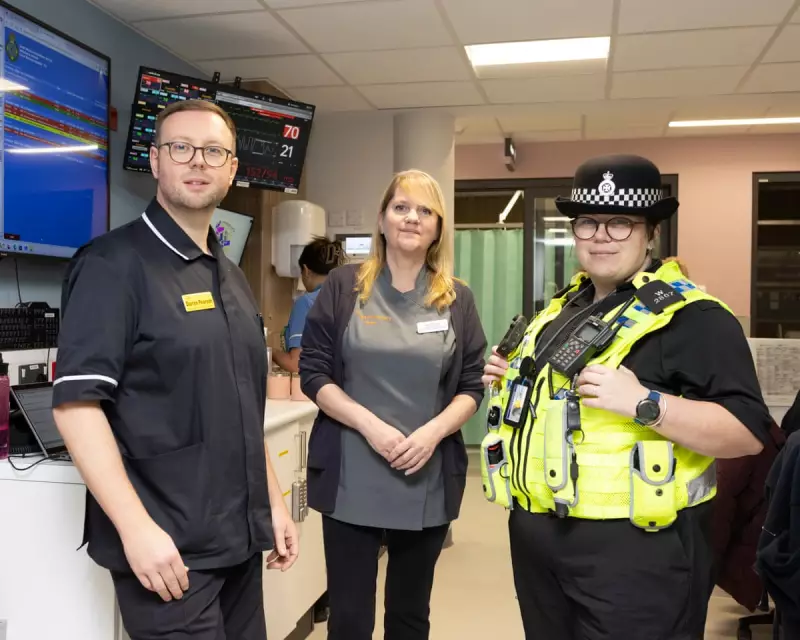
The hospital's 'Never OK' campaign, first introduced in 2016, has been revitalised with a new seven-point action plan launched on 17 December. It is backed by Wiltshire Police, who conducted research with 600 hospital workers. PC Becky Berni, the police liaison officer, stated the findings showed a clear increase in verbal aggression, physical violence and sexual assault.
"This has had a profound impact on frontline staff, with some living in fear of what they may face at work," Berni said. She emphasised a critical cultural problem: "If someone on the street saw someone get punched, they'd phone the police... But because it's happened in a hospital environment, until now that was seen as OK." The police have developed a training course to help staff recognise offences and understand that they are victims entitled to support.
A Concrete Plan for Support and Reporting
The hospital's new strategy focuses on changing this ingrained acceptance. Key measures include ensuring immediate support for victims and simplifying the reporting process. A dedicated 'Never OK' email address has been created for staff who find formal systems too burdensome.
Sue Morgan, GWH's associate director of health and safety, said: "We want to see higher reporting numbers. We know the level of abuse is probably fairly constant, but we want to change the culture." The plan ensures colleagues will help capture details of incidents promptly on behalf of victims. For those with capacity who are intentionally abusive, the hospital will not hesitate to call police or security, issue sanction letters, or ban perpetrators from the premises (excluding emergency care).
Darren Pearson, chair of the Never OK working group, summed up the campaign's core message: "We come to work to do our jobs and look after people... Nobody should have to experience or tolerate these behaviours." As Hugo put it, the old attitude of "it's because we work in A&E" must end for good.