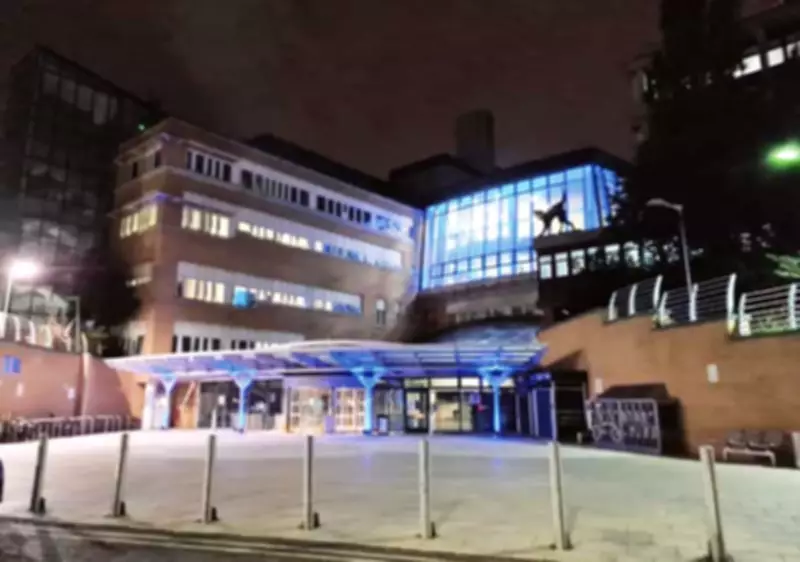
The Whittington Hospital in Archway is set to open a new same-day emergency care (SDEC) unit within weeks, as part of efforts to address critical issues highlighted in a recent Care Quality Commission (CQC) report. The unannounced inspection, conducted in October after safety concerns were raised, resulted in the hospital's rating being downgraded from "good" to "requires improvement." This move comes as the hospital grapples with severe overcrowding and systemic challenges affecting patient care.
CQC Report Reveals Pressures on Emergency Services
The CQC report detailed that the Whittington's urgent care department is under "extreme pressure from sustained overcrowding," leading to significant delays in admissions, particularly for mental health patients. Currently, the department treats approximately 110,000 sick children and adults annually, despite having capacity for only about half that number. This has forced the hospital to rely on "corridor care," a practice criticized by campaigners as degrading for patients.
New Unit Aims to Alleviate Overcrowding
The new SDEC unit, to be located adjacent to the existing emergency department, will provide urgent care for patients who do not require overnight hospital stays. Selina Douglas, chief executive of the Whittington Health NHS Trust, emphasized that while this unit will not fully resolve space constraints, it is a crucial step toward easing crowding and planning for long-term improvements. "We have known for a long time that crowding in our emergency department makes it harder to provide the high quality and dignified care that our patients rightly expect," she stated.

Campaigners Highlight Systemic Underfunding
Shirley Franklin, co-chair of the Defend Whittington Hospital Coalition, attributed the hospital's struggles to broader NHS underfunding. She argued that the CQC findings reflect nationwide issues, not just local failures. "These failures are not the fault of the hospital or the people running it. It is that, across the board, healthcare funding is inadequate," Franklin said. She pointed to years of Conservative Party spending cuts and the current Labour government's inability to address the resulting problems.
Mental Health Care in Crisis
The report specifically noted that mental health patients face the longest waits at the Whittington, underscoring a muddled and under-resourced mental health care system. Franklin highlighted that Islington has high mental health needs, yet bed cuts in Camden and Islington Trusts have exacerbated the crisis. "Mental health care is all muddled and has suffered for years as healthcare professionals prioritized physical health," she told the Tribune, calling for urgent reform and investment.
Broader Implications for NHS Hospitals
The Whittington's situation mirrors challenges faced by many NHS hospitals across the UK, where corridor care and overcrowding have become commonplace due to resource shortages. Franklin stressed that staff cannot implement necessary care packages without adequate funding, a consequence of prolonged underinvestment. The new SDEC unit represents a temporary measure as the trust seeks more comprehensive solutions to improve patient care and address systemic issues in the healthcare system.