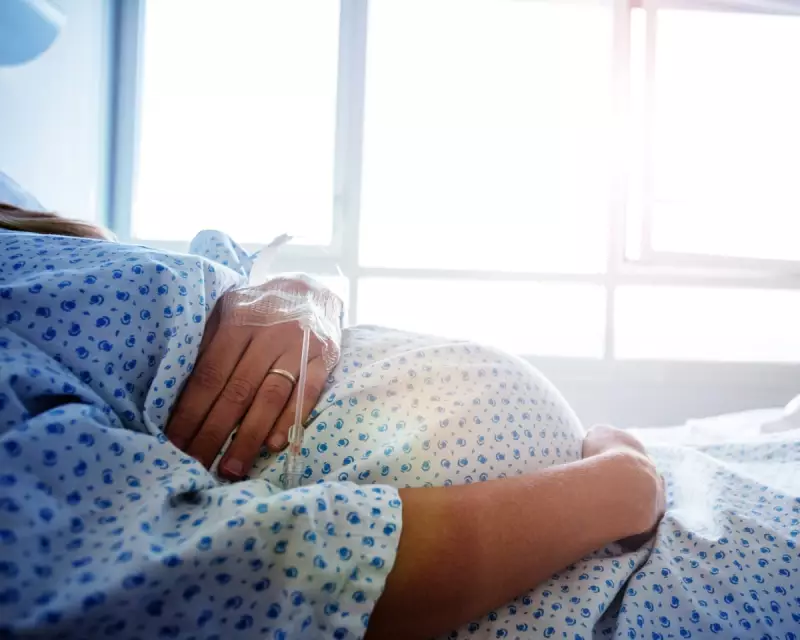
For the first time on record, the number of babies born by caesarean section in England has exceeded those born by natural vaginal delivery, according to the latest official NHS statistics.
A Historic Shift in Birth Methods
The data, covering the period from April 2024 to March 2025, shows a clear turning point. 45% of all births were caesarean sections, while natural vaginal births accounted for 44%. The remaining 11% were instrumental deliveries assisted by forceps or ventouse.
This marks a significant rise from the previous year, when C-sections made up 42% of births. A decade ago, in 2014-15, the figure stood at just 26.5%. The total number of deliveries in NHS England hospitals during this period was 542,235, a notable decrease from 636,643 a decade earlier.

Age and Choice: Key Factors in the Trend
The data reveals a stark contrast in birth methods based on the mother's age. For women under 30, a natural vaginal birth remained the most common outcome. However, for mothers aged 30 and over, caesareans became the predominant method.
The trend is most pronounced among older mothers. A striking 59% of births for women aged 40 and over were C-sections. Overall, one in four births (23.9%) were to mothers over the age of 35.
Of all caesareans performed, more than four in ten were planned elective operations. In total, 20% of all births in 2024-25 were planned caesareans and 25.1% were emergency procedures, both representing the highest levels ever recorded.
Expert Insights on a Complex Picture
Health experts attribute the decade-long rise to several interconnected factors, including more complex pregnancies linked to rising obesity rates and the trend of women having children later in life. The proportion of spontaneous births without medical intervention has steadily declined.
Donna Ockenden, a senior midwife leading a major NHS inquiry, described the situation as a "complex" and "evolving picture." She emphasised that women prioritise safety above all else and should not be criticised for their choices, highlighting challenges such as poverty and pre-existing health conditions.
Professor Soo Downe, a midwifery expert at the University of Lancashire, suggested that for some women, a caesarean becomes the "least worst option" due to concerns about support during labour, closures of local birth centres, or midwife shortages. She also affirmed that for others, it is a positive and deliberate choice.
This shift is reflected across Britain. A recent maternity care audit found that half of all women now have some form of medical intervention during birth, with the caesarean rate across England, Scotland, and Wales rising from 25% in 2015-16 to 38.9% in 2023.