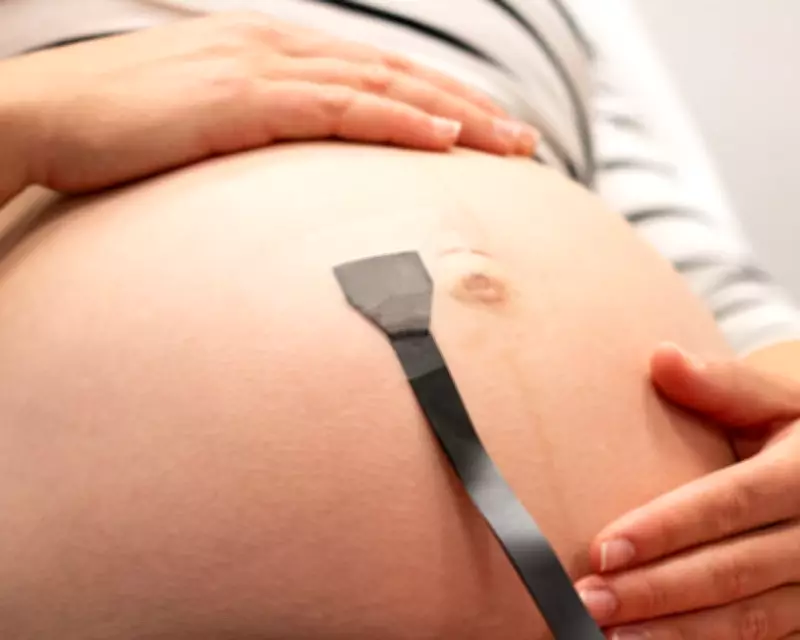
Scientists have created a groundbreaking wearable ultrasound patch that can continuously monitor babies in the womb, potentially revolutionizing prenatal care. The device, developed by a team of researchers from the University of Cambridge and the University of São Paulo, sticks to the mother's belly and provides real-time data on fetal health, including heart rate, movement, and breathing patterns.
How the Wearable Ultrasound Works
The patch uses advanced piezoelectric transducers that emit and receive sound waves, creating detailed images of the fetus. Unlike traditional ultrasound machines, which require bulky equipment and trained operators, this patch is lightweight, flexible, and can be worn for extended periods. The data is transmitted wirelessly to a smartphone app, allowing expectant mothers and healthcare providers to monitor the baby's well-being continuously.
Key Features of the Device
- Continuous Monitoring: The patch tracks fetal movements, heart rate, and breathing in real time, detecting any abnormalities early.
- Comfort and Convenience: Made from soft, skin-friendly materials, the patch can be worn during daily activities without discomfort.
- Wireless Data Transmission: Data is sent to a mobile app, enabling remote monitoring by doctors and midwives.
Clinical Trials and Future Applications
In clinical trials involving 20 pregnant women, the wearable ultrasound patch accurately detected fetal movements and heart rate changes, matching the performance of traditional ultrasound. Researchers believe the device could be particularly beneficial for high-risk pregnancies, such as those involving gestational diabetes or pre-eclampsia, where continuous monitoring is crucial. The technology could also reduce the need for frequent hospital visits, making prenatal care more accessible.

Expert Opinions
Dr. Maria Rodriguez, a lead researcher on the project, stated, "This wearable ultrasound patch could transform how we monitor fetal health, providing peace of mind for mothers and early warnings for complications." Professor John Smith, a fetal medicine specialist at King's College London, added, "Continuous monitoring is a game-changer for high-risk pregnancies, and this device makes it practical and affordable."
Challenges and Next Steps
While the patch has shown promise, further research is needed to improve image quality and battery life. The team is working on integrating artificial intelligence to automatically analyze data and alert healthcare providers to potential issues. Regulatory approval is expected within two to three years, with the device potentially available to the public by 2028.
This innovation represents a significant step forward in prenatal technology, offering a non-invasive, user-friendly solution for continuous fetal monitoring. As the technology matures, it could become a standard tool in maternity care worldwide.