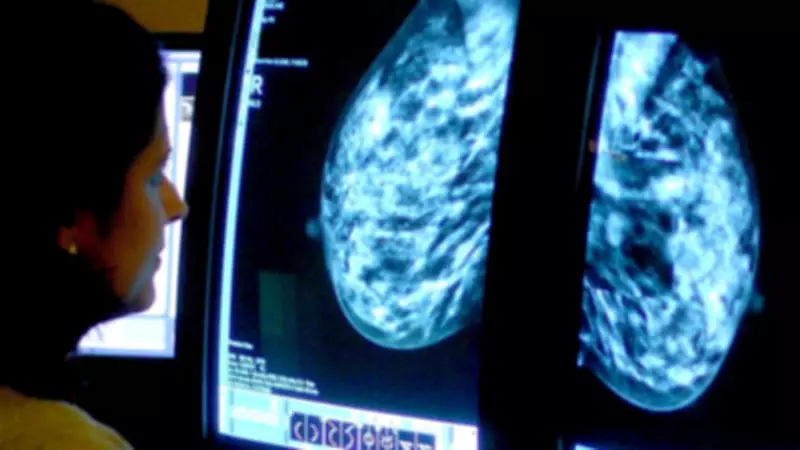
A groundbreaking study has found that artificial intelligence-assisted mammography leads to a significant reduction in aggressive and advanced breast cancers, offering promising implications for national screening programmes. The research, involving over 100,000 Swedish women, indicates that AI-supported screening not only enhances early detection but also decreases the incidence of interval cancers diagnosed between regular appointments.
Key Findings from the Swedish Trial
The randomised control trial, conducted between 2021 and 2022, is the largest of its kind to examine AI use in cancer screening. Participants were randomly assigned to either AI-assisted mammography or standard double reading by radiologists. During the two-year follow-up period, the AI group experienced 1.55 interval cancers per 1,000 women, compared to 1.76 in the control group, representing a 12% reduction.
Improved Detection Rates
Notably, the study revealed that 81% of cancer cases were detected at screening using AI, versus 74% in the control group. This improvement in detection is crucial, as European guidelines currently recommend two radiologists read mammograms, yet some cancers still go undetected. Estimates suggest that 20-30% of breast cancers diagnosed after a negative screening could have been identified earlier with more effective methods.

Training and Testing of the AI System
The AI system was rigorously trained and tested with more than 200,000 breast exams from various institutions across over 10 countries. This extensive dataset ensured the technology's robustness and adaptability to diverse screening environments. The rate of false positives remained similar for both groups, at 1.5% in the AI group and 1.4% in the control group, indicating that the AI does not compromise accuracy.
Implications for Healthcare Systems
Lead author Dr Kristina Lang from Lund University emphasised that while AI-supported screening improves early detection of clinically relevant breast cancers, its implementation must be approached with caution. She highlighted the need for constant checks to monitor how AI influences different regional and national screening programmes, ensuring data quality and patient safety.
Easing Radiologist Workloads
Jessie Gommers, a PhD student involved in the study, pointed out that AI-assisted mammography still requires at least one human radiologist for oversight. However, the results potentially justify using AI to alleviate the substantial pressure on radiologists' workloads. This could lead to reduced waiting times for patients and more efficient use of healthcare resources, addressing ongoing challenges in medical staffing and service delivery.
Future Directions and Considerations
The findings, published in The Lancet medical journal, build on previous studies and interim results that indicated AI increases detection compared to standard screening. A key question has been whether this translates into a reduction in interval cancers, which this trial affirmatively answers. As healthcare systems globally face increasing demands, integrating AI into screening programmes could revolutionise cancer care by enhancing precision and accessibility.
In summary, this study underscores the potential of AI to transform breast cancer screening, offering a pathway to fewer aggressive cancers and better patient outcomes. With careful implementation and ongoing evaluation, AI technology could become a standard tool in the fight against breast cancer, supporting radiologists and improving public health.