Norway's Blue-Light Ban: A New Frontier in Psychiatric Treatment
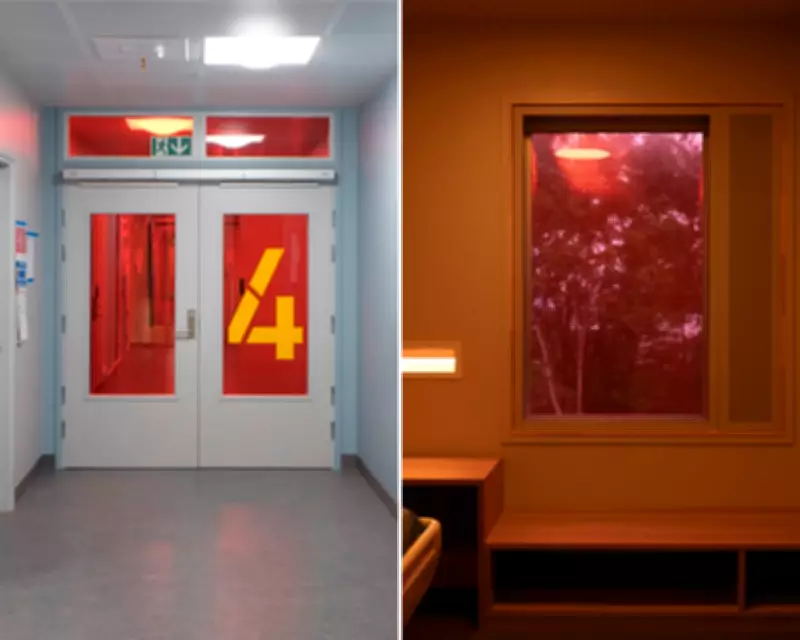
At first glance, the psychiatric ward at St Olavs Hospital in Trondheim, Norway, appears typical for patients in acute mental distress. However, as evening approaches, a transformative shift occurs: filters descend over windows, and lights emit a soft amber glow. This innovative approach removes blue wavelengths, which are known to disrupt the body's internal clock, turning the ward's design into a potential therapeutic tool for conditions like psychosis and depression.
The Science Behind Circadian Lighting
Light serves as the primary regulator of the circadian rhythm, the roughly 24-hour biological clock governing sleep and numerous bodily processes. Mounting evidence links circadian disruption to depression, cardiovascular disease, and dementia. Disturbed sleep-wake cycles are particularly prevalent in mental illnesses, such as bipolar disorder.
Professor Daniel Smith, a psychiatrist at the University of Edinburgh and leader of the UK Circadian Mental Health Network, explains, "Increasingly, both anecdotal and experimental evidence suggests that bipolar individuals are highly sensitive to light. Evening light exposure can delay the body's clock, suppress melatonin, and lead to poorer sleep, potentially triggering mood episodes in vulnerable people."

This growing understanding has spurred interest in using light to stabilise circadian rhythms and alleviate symptoms, though large-scale clinical studies remain limited.
Testing the Theory in Practice
When planning a new psychiatric unit, doctors in Trondheim seized the opportunity to test circadian lighting in a real-world setting. They installed a dynamic lighting system and automated blinds designed to eliminate blue wavelengths in the evenings.
Håvard Kallestad, a researcher and consultant psychologist at St Olavs Hospital and the Norwegian University of Science and Technology, who led the study, stated, "Many patients with severe mental illness experience circadian disruption. We aimed to address this by modifying the light environment."
The unit was divided into two identical halves, with the same layout, staffing, and facilities. The sole difference was the evening lighting: one ward featured blue-depleted lighting, while the other used standard hospital lights.
Promising Results from Clinical Trials
An initial study involving healthy volunteers demonstrated changes in melatonin secretion, sleep patterns, and alertness. The team then expanded the research to 476 patients admitted for short-term psychiatric intensive care, including those with psychosis, mania, severe depression, and suicidal thoughts.
Published in PLOS Medicine and presented at the International Society for Bipolar Disorders, the findings revealed that while the length of stay was similar—typically three to four days—patients in the circadian-adapted ward showed greater clinical improvement and less aggressive behaviour.
Kallestad noted, "We observed additional benefits from the blue-light environment, including more patients achieving a mild disease state at discharge and overall improvement during admission. Simply altering the light spectrum enhanced treatment quality, particularly in reducing aggression."
Aggression and agitation are common challenges in acute psychiatric wards, with studies indicating occurrence rates between 8% and 76%, posing risks to both patients and staff.
Professor Smith emphasised, "The aggression finding is crucial, as it eases care for these individuals."
Broader Implications and Future Applications
Professor Derk-Jan Dijk, a sleep and circadian rhythm researcher at the University of Surrey, highlighted the study's innovative aspect: the intervention is integrated into the ward, requiring no effort from patients. "The burden is essentially zero—they don't need light boxes or blue-blocking glasses. This approach could be scaled by designing indoor environments that better align with human biology, influencing mood and alertness beyond just sleep."

Researchers are exploring whether circadian lighting could benefit populations beyond psychiatric wards. The UK's National Institute for Health and Care Research has launched funding for trials testing its potential to "reset" internal clocks in care homes and reduce behavioural disturbances in dementia.
Professor Anthony Gordon, director of NIHR's health technology assessment programme, said, "It's about determining if light therapy can reduce anxiety, improve sleep, and offer a cost-effective, drug-free way to enhance quality of life in residential care."
Professor Colleen McClung, a neuroscientist at the University of Pittsburgh, suggests future personalisation: "For delayed circadian rhythms, morning light therapy can shift rhythms forward; for advanced rhythms, evening therapy may help. Wearable devices tracking sleep patterns could guide tailored treatments."
This pioneering work in Norway underscores the potential of environmental design in mental health care, offering a non-invasive, scalable solution to improve patient outcomes and well-being.