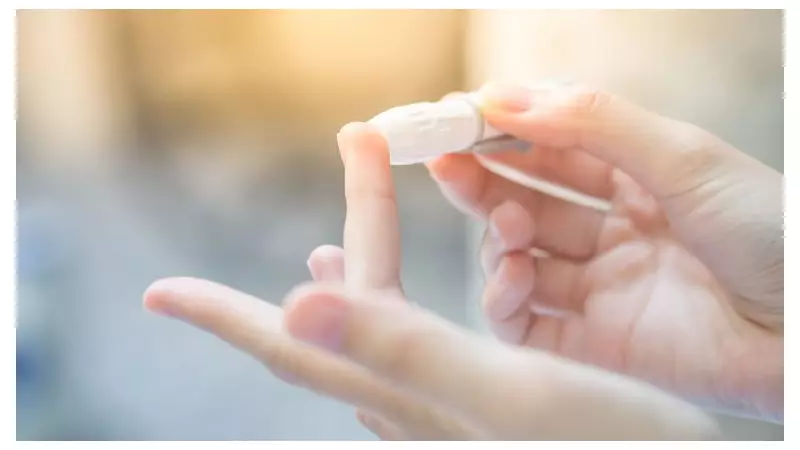
A major international trial has been launched that could see a simple finger-prick blood test radically change how Alzheimer's disease is diagnosed, potentially replacing costly and invasive procedures currently in use.
The Promise of a Simpler Diagnostic Tool
Currently, obtaining a definitive Alzheimer's diagnosis requires patients to undergo a specialised brain scan or an invasive spinal fluid test. The new trial, however, is evaluating a far simpler method: a quick and cheap finger-prick blood test that could be performed in a GP surgery.
The test is designed to detect three specific proteins in the blood that are known to be associated with Alzheimer's disease. Medical research organisation LifeArc and the Global Alzheimer's Platform Foundation, with support from the UK Dementia Research Institute, are leading the effort.

Global Trial Progress and Participant Diversity
The large-scale study, named Bio-Hermes-002, aims to enrol 1,000 people globally. Significant progress has already been made, with 883 participants signed up from countries including the UK, the US, and Canada. Of this group, more than 360 have already completed the new test.
The trial is notably diverse, including individuals with no cognitive issues, those with mild cognitive impairment, and people diagnosed with mild to moderate Alzheimer's disease. This range is crucial for validating the test's accuracy across different stages of cognitive health.
Professor Henrik Zetterberg of the UK Dementia Research Institute emphasised that the trial's results "will be compared against current gold standard diagnostic techniques." He stated that success would mean "being able to diagnose Alzheimer's with a minimally invasive, cost-effective method will revolutionise diagnostics in this area."
Potential Impact and Future Outlook
Experts believe a successful outcome could do more than just change Alzheimer's diagnostics. It is hoped it will "pave the way for improved diagnosis of all neurodegenerative conditions" and help slow the progression of Alzheimer's if caught in its early stages.
Dr Giovanna Lalli of LifeArc acknowledged the "substantial progress" in early detection methods but stressed that "developing cheaper, scalable and more accessible tests is vital in the battle against this devastating condition."
The trial builds on other recent "breakthrough" research indicating blood tests can identify early signs of Alzheimer's. The Bio-Hermes-002 trial is scheduled to run until 2028, at which point the world will know if this accessible diagnostic tool is ready for widespread clinical use.