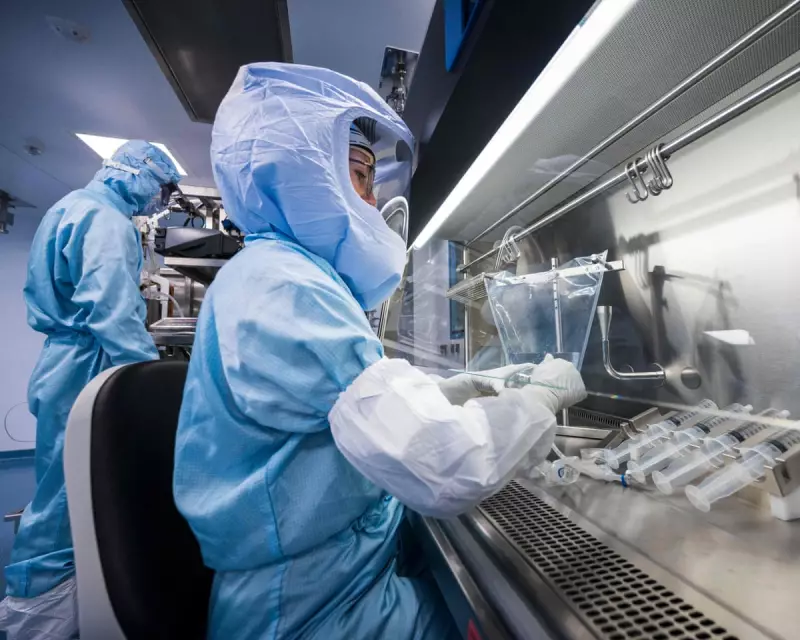
A critical shortage of funding for medical research in the United Kingdom is causing dangerous delays in the development of new, life-saving treatments for conditions like cancer, dementia, and heart disease. Leading scientists and research charities are raising the alarm, warning that a generation of potential therapies is being lost due to a dramatic drying up of investment.
A Perfect Storm of Financial Pressure
The situation has been described as a 'perfect storm' hitting the UK's world-renowned biomedical sector. Charitable donations, a traditional cornerstone of UK medical research, have plummeted by over £100 million annually since the pandemic. Simultaneously, government funding through UK Research and Innovation (UKRI) has failed to keep pace with inflation, effectively representing a real-terms cut. This double blow has left research institutes and university labs across the country struggling to maintain ongoing studies, let alone launch new, innovative clinical trials.
Professor Sir John Bell, Regius Professor of Medicine at Oxford University, stated that the funding environment is now the worst he has seen in decades. "We are staring down the barrel of a lost generation of medical advances," he warned. The consequences are already visible: promising early-stage research is being shelved, and clinical trials for potential breakthrough treatments are being postponed indefinitely.

The Human Cost of Stalled Science
The impact of this funding crisis is not abstract; it has a direct and profound human cost. For patients awaiting new treatments for aggressive cancers, neurodegenerative diseases, and rare genetic conditions, these delays can mean the difference between life and death, or between independence and severe disability.
Research by the Association of Medical Research Charities (AMRC) highlights the scale of the problem. Member charities report being forced to reject over 1,000 high-quality research proposals in the last year alone due to lack of funds. Each rejected proposal represents a potential pathway to a new therapy, diagnostic tool, or cure. Furthermore, the crisis is driving a 'brain drain,' with talented early-career scientists leaving the UK for better-funded positions abroad, undermining the country's long-term research capacity.
"We are at a tipping point," said Dr. Ian Walker, Cancer Research UK's executive director of policy. "The UK has been a global leader in discoveries like penicillin and DNA sequencing. But that legacy is under severe threat. Without urgent intervention, the pipeline of new treatments will slow to a trickle, and patients will pay the price."
An Urgent Call for a Sustainable Solution
The scientific community and patient advocacy groups are united in calling for immediate and sustained action from the government and private sector. Their demands include a commitment to increase the core budget for UKRI, the introduction of new tax incentives to boost philanthropic giving for research, and the exploration of innovative public-private partnership models.
They argue that investing in medical research is not just a moral imperative but an economic one. The UK's life sciences sector is a major contributor to the economy, generating high-skilled jobs and attracting international investment. Allowing it to wither would have severe consequences beyond the healthcare system.
The message from labs and clinics across the nation is clear: the UK's ability to develop the life-saving therapies of tomorrow is being compromised today. Restoring a robust and predictable funding landscape is essential to prevent further erosion of this vital national asset and to ensure that patients do not continue to wait in vain for the next medical breakthrough.