Virologist Robin Weiss, Pioneer of HIV Research and Testing, Dies at 86
The virologist Robin Weiss, who passed away at the age of 86, was a pivotal figure in the UK's response to the Aids pandemic. His groundbreaking work in the 1980s included leading a team that identified the CD4 molecule as the cellular receptor for HIV, the virus that causes Aids. This discovery was a crucial step in understanding how the virus infects human cells.
Key Scientific Contributions and Innovations
Weiss established productive growth of HIV in an immortalised cell line, a development that enabled the creation of the UK's first antibody test for the virus. Collaborating with Richard Tedder, this test was later commercialised by the Wellcome Foundation. It allowed for accurate and large-scale identification of HIV-infected individuals, significantly impacting public health efforts during the crisis.
He was also the first to demonstrate antibody neutralisation of HIV, laying a fundamental basis for future vaccine development. These achievements were accomplished while he served as the youngest-ever director of the Institute of Cancer Research in London from 1980 to 1989, showcasing his leadership and scientific acumen.

Early Life and Academic Journey
Born in 1940 to German-Jewish refugees, Hans and Stefanie Weiss, Robin grew up in London. He attended Abbotsholme school in Staffordshire as a boarder before earning a first-class degree in zoology at University College London. Uncertain about his career path, he sought advice from Nobel laureate Peter Medawar, who encouraged him to pursue research.
Weiss remained at UCL for his PhD, supervised by cell biologist Michael Abercrombie. His thesis focused on Rous sarcoma retrovirus infection in chickens, which transforms normal cells into cancerous ones. This early work introduced him to retroviruses, a family of RNA viruses that would define his career.
Breakthroughs in Retrovirus Research
As a lecturer in embryology at UCL from 1963 to 1970, Weiss published a landmark paper on endogenous retroviruses. He hypothesised that normal embryo cells contained integrated retroviruses, a concept initially rejected by reviewers but later validated. Today, endogenous retroviruses are known to constitute nearly 10% of the human genome.
In 1970, he won a fellowship to study endogenous retroviruses at the University of Southern California. His research extended to Malaysia, where he demonstrated that these viruses were present in the ancestor species of chickens, the Malaysian red jungle fowl, predating domestication.
Leadership and Further Discoveries
Recruited by Sir Michael Stoker in 1972 to the Imperial Cancer Research Fund, Weiss studied viral oncogenes linked to human cancers. He co-authored the influential two-volume book RNA Tumor Viruses, which became a foundational text in retrovirology.
Appointed director of the Institute of Cancer Research in 1979, he transformed the institute by recruiting talented scientists like Chris Marshall and Alan Hall. Together, they discovered the N-RAS oncogene, research that later underpinned the development of successful anti-cancer drugs. Weiss also studied the human T-cell leukaemia virus before pivoting to HIV research in response to the Aids pandemic.
Impact on HIV and Public Health
Recognising the urgency of the Aids crisis, Weiss redirected his lab to focus on HIV-1, making it a UK centre for retrovirology. He was a generous mentor, training numerous scientists who went on to hold professorial appointments. His expertise was sought by organisations such as the Medical Research Council and the Department of Health, and he authored influential articles for journals like Nature.
Later Career and Diverse Interests
Returning to UCL as a professor in 1999, Weiss explored new research areas. With Jonathan Stoye, he investigated endogenous retroviruses in pigs and developed monoclonal nanobodies from llamas for potential medical applications. He also solved the mystery of canine venereal sarcoma, tracing its origin to a single dog about 1,000 years ago.

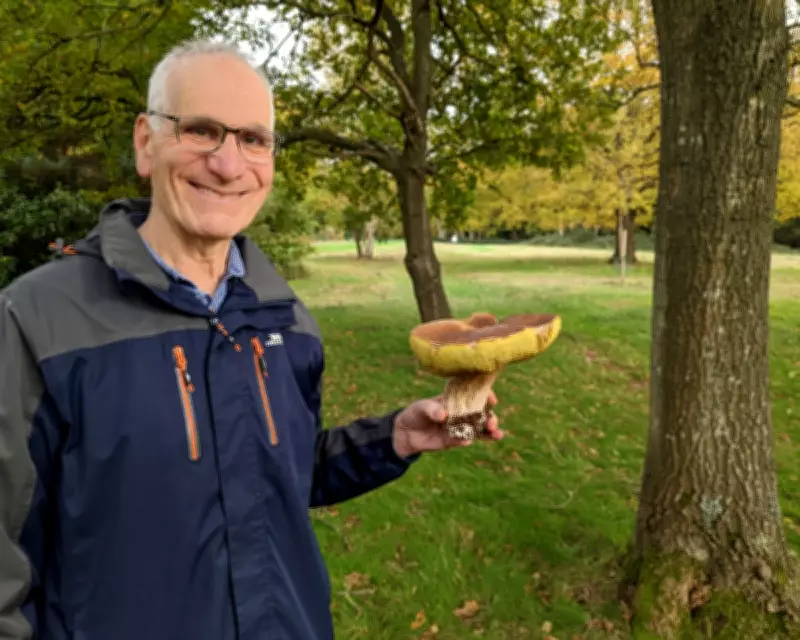
His contributions were honoured with numerous awards, including fellowships in the Royal Society and the Academy of Medical Sciences. In his personal life, he was married to Margaret D'Costa, with whom he had two daughters and three grandchildren. He enjoyed foraging, music, and historical research, discovering a familial connection to Gregor Mendel.
Robin Weiss's legacy in virology and medical science continues to influence research and public health initiatives worldwide.