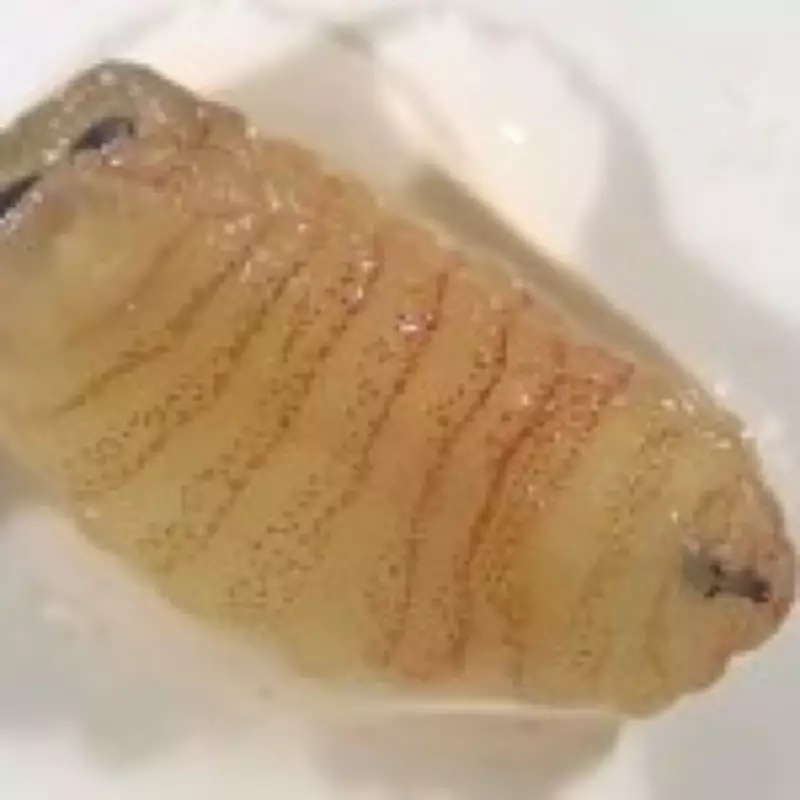
A shocking medical case from Greece has revealed a woman who began sneezing out live bugs after developing a rare parasitic infection. The 58-year-old patient, who worked outdoors on a Greek island adjacent to a sheep-grazing field, sought urgent medical attention when "worms" started emerging from her nose following a sneeze.
Unusual Parasitic Infestation Linked to Sheep Proximity
Medical entomologists determined the woman had been infected with Oestrus ovis, commonly known as the sheep bot fly. This cosmopolitan parasite typically affects livestock in hot, dry regions like those bordering the Mediterranean Sea, but human infestations remain exceptionally rare.
"The patient was a 58-year-old woman in Greece who worked outdoors on a Greek island, adjacent to a field with grazing sheep," explained Dr. Ilias Kioulos, a medical entomologist at the Laboratory of Pesticide Science, Agricultural University of Athens. "It was September, during hot and dry weather, and she noticed numerous flies swarming around her face."

Symptoms and Medical Intervention
Approximately one week after the fly exposure, the woman developed progressive maxillary pain, followed by severe coughing over the next two to three weeks. The situation escalated dramatically on October 15 when she sneezed and larval organisms began exiting her nasal passages.
An otolaryngologist surgically removed ten larvae at various developmental stages along with one pupa from her maxillary sinus. The medical team noted the patient had a severely deviated nasal septum, which they believe contributed to the unusual progression of the infestation.
"From a purely anatomic perspective, we hypothesize that the combination of high larval numbers and septum deviation impeded normal egress from the nasal passages, permitting progression to pupation," Dr. Kioulos stated.Recovery and Rarity of Human Cases
Following the surgical removal and treatment with nasal decongestants, the woman made a complete recovery. None of her co-workers reported similar symptoms, highlighting the unusual nature of this medical event.
While Oestrus ovis infections are fairly common in unchecked livestock populations, human cases remain medical curiosities. The parasite most frequently affects the conjunctival sac in accidental human infections, with nasal infestations being particularly uncommon.
"The O. ovis life cycle within its natural hosts, sheep and goats, is well-documented," the medical team noted. "O. ovis bot flies infrequently affect humans, most often depositing larvae in the conjunctival sac and rarely into the nostrils, mouth, or external auditory meatus."
Climatic Factors and Medical Significance
The case presented unusual characteristics because temperature and climatic conditions typically don't allow for pupation in human hosts. The medical team's documentation provides valuable insights into how anatomical variations can influence parasitic development in accidental human infections.
Despite the disturbing nature of the infestation, doctors emphasize there are minimal long-term health concerns beyond the initial parasitic presence. The complete recovery of the patient demonstrates that even dramatic parasitic presentations can be successfully treated with appropriate medical intervention.
This case serves as a reminder of the complex interactions between humans, livestock, and environmental factors in disease transmission, particularly in agricultural settings where workers maintain close proximity to animal populations.