High-profile sports stars are playing a crucial role in transforming public understanding of neurodiversity in the United Kingdom, challenging the notion that rising diagnosis rates represent a societal crisis.
Reframing the National Conversation on Neurodiversity
This shift comes amid a significant review into mental health diagnosis in the UK, announced earlier this month by Wes Streeting. The review will scrutinise whether normal feelings are being "over-pathologised" and will take a closer look at neurodiversity, with a particular focus on ADHD and autism.
Data from NHS England reveals a striking trend: diagnoses for both conditions have almost tripled over the past decade. This surge has sparked debate, with some commentators questioning potential over-diagnosis. Notably, claims for Personal Independence Payment (PIP) related to ADHD increased by 20 per cent in the last year alone.

While severe forms of ADHD and autism can be life-limiting, the emerging narrative championed by figures like Stephen Fry emphasises that neurodivergent minds are not inherently problematic. "For many, neurodiversity isn't a problem; it's a point of difference," the article argues. In competitive fields, this difference can be transformed into a distinct advantage.
The Sporting Arena: Where Neurodivergent Minds Excel
Elite sport provides a powerful platform for this reframing. It is an environment built on the pursuit of marginal gains, where unique cognitive traits can become superpowers.
Contrary to popular belief, ADHD is not solely about an inability to focus. It can also generate periods of intense hyperfocus and enable rapid tactical decision-making under pressure—attributes invaluable to any athlete. Similarly, autistic individuals often possess an exceptional capacity for recognising patterns in movement and space, coupled with a propensity for deep, repetitive practice.
The evidence is in the podium places. The list of athletes with ADHD includes Simone Biles, the most decorated gymnast in history, and Michael Phelps, the greatest Olympic champion of all time. Among those with dyslexia are seven-time Formula 1 world champion Lewis Hamilton and boxing legend Muhammad Ali.
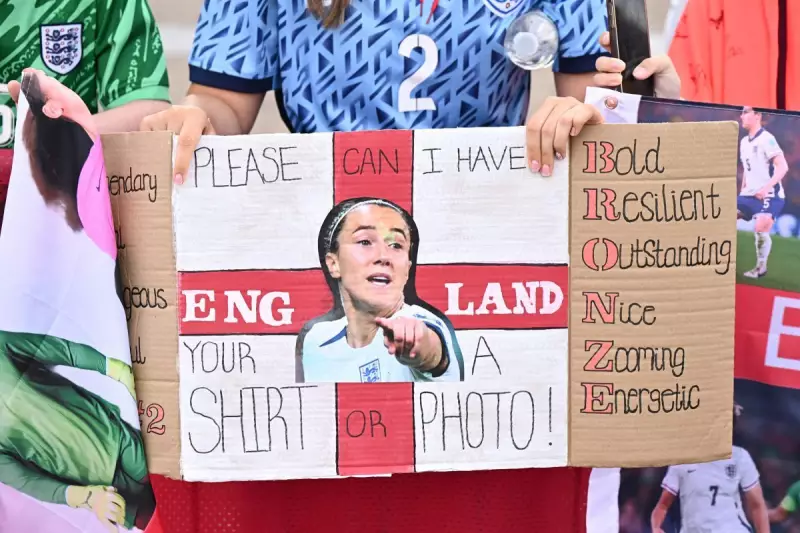
In football, England Lioness Lucy Bronze has spoken openly about how her autism aids her performance on the pitch. These athletes demonstrate that neurodiversity can be a source of strength, not a setback.
Moving Beyond Diagnosis to Understanding
The current focus on formal diagnosis may be missing a larger opportunity. Research indicates that approximately 750,000 UK adults live with undiagnosed autism, with estimates for undiagnosed ADHD as high as 2 million.
"We should be encouraging more people to understand how their mind works, not making them wait years for a formal diagnosis," the article states. For many, this understanding alone—rather than state support—can be the key to unlocking greater personal and professional achievement.
As influential role models for young people, athletes are uniquely positioned to lead this cultural change. Their success stories offer a compelling counter-narrative to the idea that neurodivergence is solely a disability or a burden on public resources. Instead, they showcase a powerful truth: that a mind that works differently can provide the decisive edge in the most competitive environments imaginable.