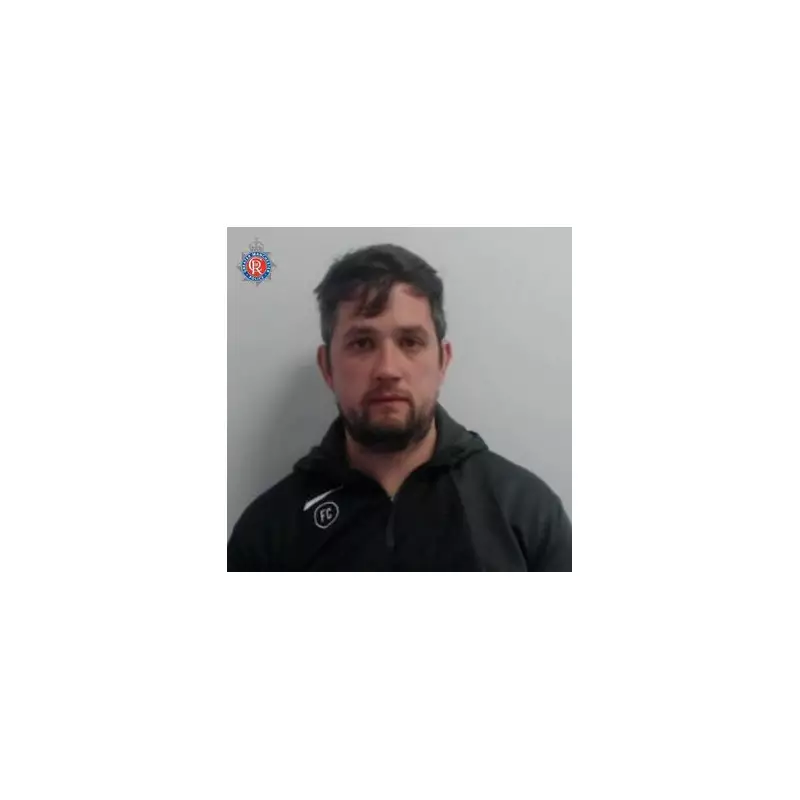
Care Worker Imprisoned After Exploiting Vulnerable Mental Health Patient
A married care worker has been sentenced to imprisonment after engaging in a sexual relationship with a vulnerable mental health patient under his supervision. Jack Burrows, a 35-year-old father of three, exploited his position of trust while employed as a 'bank' care worker through NHS Professionals at a mental health unit in Greater Manchester.
Systematic Breach of Professional Boundaries
The court heard how Burrows systematically breached professional boundaries, beginning when he provided the patient with his personal mobile number. This initial violation of protocol led to what prosecutor Philip Barnes described as Burrows 'embarking on a relationship' with the vulnerable woman.
Burrows, who was fully aware of the patient's vulnerability due to her diagnosed personality disorder, proceeded to have sexual intercourse with her on two separate occasions. The first incident occurred in a yard adjacent to the ward, while the second took place on a grass verge during what should have been a routine escort back to her accommodation.

Explicit Communications and Deleted Evidence
The relationship was characterised by extensive explicit messaging, including Burrows sending the patient a photograph of his penis. In one particularly telling exchange, Burrows advised the woman to 'keep cool so we don't get caught', demonstrating his awareness of the inappropriate nature of their interactions.
When police examined Burrows' mobile device following his arrest, they discovered he had deleted all communications between himself and the patient. This deliberate destruction of evidence led prosecutors to draw what they described as the 'obvious inference' of attempted concealment.
Profound Impact on Vulnerable Victim
In a victim personal statement presented to Manchester Crown Court, the woman described how Burrows had betrayed the fundamental trust inherent in the carer-patient relationship. 'Jack was in a position of trust and should have been one of the people to look after me and care for me,' she stated. 'Instead, he took advantage of how vulnerable I was.'
The psychological impact has been severe, with the victim reporting experiencing anxiety, shaking, and panic in medical settings following the incidents. She emphasised that what should have been 'a place of safety' had been fundamentally compromised by Burrows' actions.
Defence Arguments and Personal Circumstances
Defence barrister Betsy Hindle acknowledged that Burrows had acted 'irresponsibly, foolishly and quite frankly extremely stupidly'. She revealed that the defendant had been experiencing significant personal challenges, including blaming himself for a fire that destroyed his family home and struggling with a cocaine habit.
Ms Hindle further argued that the patient had initiated explicit communications and that Burrows 'never asked' for such messages. She maintained that her client had developed genuine feelings for the woman, though this did not excuse his professional misconduct.
Broader Implications for Healthcare Safeguarding
This case raises serious questions about safeguarding protocols within mental health facilities and the recruitment processes for temporary healthcare staff. The fact that Burrows was able to manipulate his shift patterns to spend additional time with the vulnerable patient highlights potential vulnerabilities in current systems.
Prosecutor Philip Barnes emphasised that while there was no suggestion the relationship was non-consensual, the inherent power imbalance between care worker and patient made any such relationship fundamentally exploitative. Burrows' own admission that he was 'breaking every rule' when providing his contact details underscores his awareness of professional boundaries.
The sentencing serves as a stark reminder of the serious consequences facing healthcare professionals who abuse positions of trust with vulnerable individuals in their care.