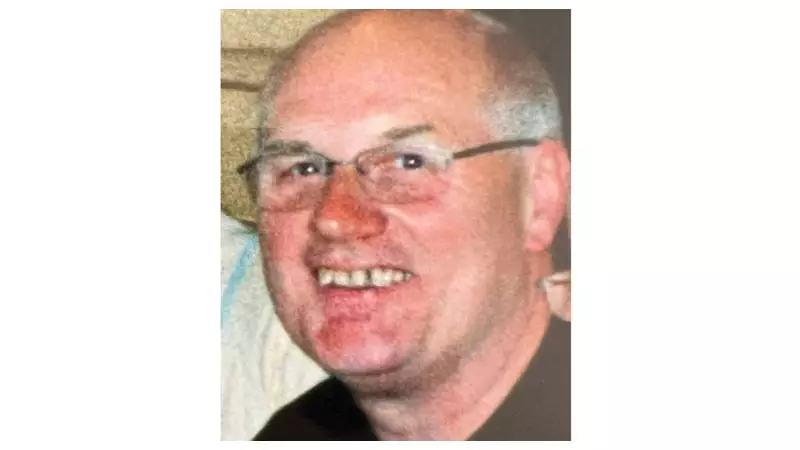
Family Condemns Systemic Failures After Pensioner's 'Barbaric' Murder
The grieving family of a pensioner brutally killed in what has been described as a "ritual sacrifice" has launched a scathing attack on authorities, accusing them of "failing on every level" to protect their loved one. Roger Leadbeater, a 74-year-old man from Sheffield, was stabbed multiple times in a park while walking his dog in August 2023, in an incident that has exposed critical lapses in mental health care and police procedures.
Coroner's Findings Reveal Catastrophic Oversights
During a recent inquest into Mr Leadbeater's death, Sheffield coroner Tanyka Rawden delivered a damning verdict on the events leading to the attack. The assailant, Emma Borowy, 32, who suffered from paranoid schizophrenia, had absconded from a mental health unit while on leave. Coroner Rawden concluded that Borowy's leave request would likely have been denied if proper protocols had been followed by the Greater Manchester Mental Health NHS Foundation Trust.
Borowy, who later died in prison, told authorities she was "tricked by the devil" into committing the murder as part of a ritual sacrifice. The inquest heard alarming details about her history, including:

- Nine successful absconsions from her ward
- Fifteen attempted escapes
- Three failures to return from approved leave
Multiple Agency Failures Identified
The coroner's investigation revealed that Borowy's care had been transferred to a new consultant who approved escorted leave just two days before the attack. This decision was made without proper documentation, without considering detailed risk assessments, and outside established policies requiring face-to-face reviews after leave suspensions.
Ms Rawden stated unequivocally that "it is likely the risk factors would have been too high and leave would not have been granted" if standard procedures had been properly implemented. The coroner also criticised both Greater Manchester Police and South Yorkshire Police for their handling of vulnerable missing persons cases, particularly regarding information sharing between agencies.
Family's Heartbreaking Testimony
Outside the coroner's court, Mr Leadbeater's niece, Angela Hector, delivered an emotional statement condemning the multiple failures that led to her uncle's death. "Emma Borowy put her trust in you to keep her safe and well," she addressed the responsible authorities. "The public put their trust in you to protect us. You all failed on every level."
Ms Hector described the horrific nature of the attack, revealing her uncle sustained 124 separate injuries in what she called "barbaric beyond comprehension" violence. "This is like a horror film you cannot switch off, except this is real," she told reporters, urging authorities to understand the lasting consequences of their decisions.
Systemic Changes Promised
In response to the inquest findings, Coroner Rawden announced she would issue Prevention of Future Death reports to multiple organisations, including:
- Greater Manchester Police
- South Yorkshire Police
- The Home Office
- The College of Policing
- The National Police Chiefs' Council
Greater Manchester Assistant Chief Constable Steph Parker offered a formal apology, stating: "On behalf of GMP I want to apologise to Roger's family for our failure to properly pass key information to other partners before and after he was killed. It is to our great regret that this tragic incident could ever have happened."
Similarly, South Yorkshire Police's Detective Chief Superintendent Laura Koscikiewicz acknowledged "learning opportunities" identified during the inquest and apologised for procedural shortcomings. The mental health trust involved stated it had "learned lessons" and planned to implement measures to improve its procedures, though the coroner indicated she would wait until August before deciding whether to issue a specific report regarding the trust's failings.

This tragic case has highlighted significant concerns about mental health care protocols, inter-agency communication, and public protection measures when dealing with vulnerable individuals in the community.