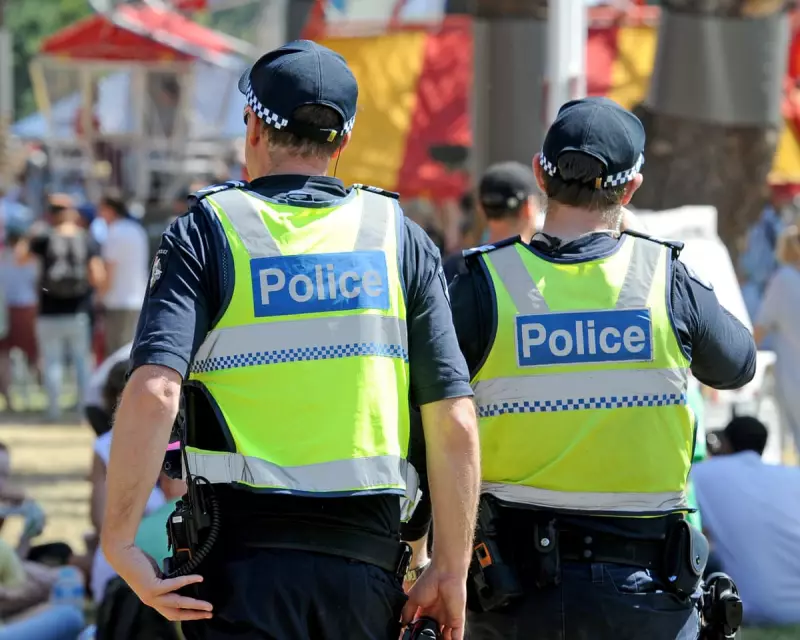
A Victorian coroner has delivered a significant finding that traditional security measures at music festivals, including police presence, drug sniffer dogs, security guards, and bag searches, may inadvertently lead to riskier drug use and greater harms for attendees. This conclusion follows a thorough investigation into the tragic death of a young woman at a Melbourne music event.
Investigation into Festival Death Reveals Broader Concerns
Coroner Ingrid Giles examined the circumstances surrounding the death of 28-year-old Trang Thi Thu Le, who collapsed after consuming MDMA and ketamine at the Marlo Altitude electronic dance music festival held at Melbourne's John Cain Arena in September 2023. Le had attended the event with friends and her partner to celebrate her birthday, but tragically suffered seizures and went into cardiac arrest after dancing. Despite immediate assistance from healthcare emergency response crews and subsequent hospital treatment, she passed away in the early hours of her birthday.
Coroner's Recommendations for Updated Guidelines
In her findings published this week, Coroner Giles highlighted that Victoria's health department code of practice for music festivals and events has not been updated since 2013. She urgently recommended that the department revise these guidelines in consultation with harm reduction and clinical experts to provide better guidance for event organisers.

The coroner's investigation revealed a concerning pattern, noting that from 2000 to 2024, eighteen people have died after overdosing at Victorian music festivals and events. Those who died were typically young adults with an average age of 26, and MDMA was implicated in fifteen of these tragic cases.
How Security Measures May Increase Risks
Coroner Giles found that countermeasures designed exclusively to prevent drug use – including police presence, security guards, bag searches, sniffer dogs, and higher penalties for drug possession – have no positive impact on drug use or related harms. In some cases, these measures can actually lead to riskier drug-taking behaviours and greater drug-related dangers.
A submission to the coroner from Harm Reduction Victoria detailed how certain practices at music events may contribute to these problems:
- Regular checks by staff looking for signs of drug use in toilets
- Prohibiting people from bringing in their own water
- Long queues to access water stations
- Random "pat down" searches of attendees
- Security-led responses to people who may be experiencing drug effects
These practices may create an atmosphere of mistrust and fear among festival-goers, potentially leading to dangerous behaviours such as consuming larger quantities of drugs before entering the venue to avoid detection.
Support for Harm Reduction Approaches
While the coroner did not make any adverse findings regarding the specific management of the Marlo Altitude event where Le died, she emphasised the need to critically examine what guidance is available to music event organisers about running safe events. Giles commended Victoria's free and confidential pill testing trial, describing it as a vital component of the state's overall harm reduction strategy.
"Drug checking or pill testing services at outdoor music festivals were found to be associated with people using reduced dose sizes of drugs and being more likely to dispose of potentially dangerous drugs," the coroner noted in her findings.
This comprehensive investigation highlights the complex relationship between security measures and drug safety at large-scale events, suggesting that a more nuanced approach to harm reduction may be necessary to protect young people attending music festivals across Victoria.