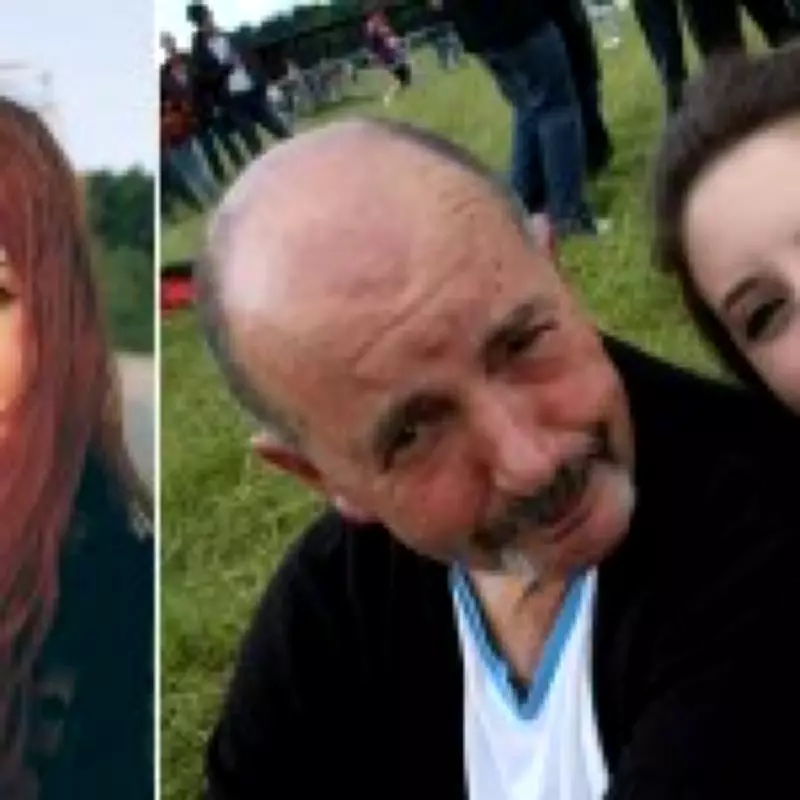
Lowri Llewelyn, a 33-year-old woman, experienced profound abandonment after the death of her father, who was her closest confidant and best friend. When she informed her friends about her father's passing, many responded with promises to visit and offer support. However, as months elapsed, those assurances proved hollow, leaving Lowri to navigate her grief in isolation.
The Unbreakable Bond with Her Father
Lowri's father was diagnosed with cancer in September 2025 at the age of 71. Understanding her struggles with borderline personality disorder, he had always been her pillar of strength, often appearing with comforting treats during difficult moments. Determined to care for him, Lowri took on the role of primary caregiver, administering morphine up to eight times daily to alleviate his pain.
The Heartbreaking Final Weeks
Within weeks, his condition deteriorated, necessitating professional hospice care in October. Lowri spent his final days by his side, singing songs, describing their favorite television shows, and reassuring him that she would be okay. When he passed away less than six weeks after diagnosis, she felt a mix of relief and devastation, stunned by the rapid progression of his illness.

The Disappearing Act of Friends
In the aftermath, Lowri's mother, despite being divorced from her father for a decade, received an outpouring of support with cards, flowers, and funeral attendance. In stark contrast, Lowri's own friends offered only text messages and emojis, with vague promises to visit that never materialized. She longed for practical help, such as assistance with funeral arrangements or meals, but received none.
Broken Promises and Emotional Wounds
One particularly painful incident involved a close friend who committed to visiting within a fortnight but failed to appear. Nearly two weeks later, the friend sent an unrelated photo of puppies followed by a casual message. When confronted, she cited feeling awkward and a sick child as excuses, which Lowri found unforgivable. Another friend invited her to a party while claiming to be too busy to visit, adding to her sense of betrayal.
Confronting the Pain and Moving Forward
After three months of enduring empty promises, Lowri expressed her hurt to her friends. While some apologized and offered to visit immediately, she chose to cease communication, feeling it was too late. She questioned whether her expectations were unreasonable but reflected on her own history of supporting grieving friends with tangible actions, such as preparing meals and attending funerals.
Finding Solace in New Beginnings
To cope, Lowri began volunteering at a local food bank, which helped her overcome her fear of leaving home. She also found comfort in new relationships, including a gentle man she met on a dating app who takes her on hiking dates. Despite occasional dark days, such as her birthday, she focuses on building connections that offer genuine support.
A Message to Those Supporting the Bereaved
Lowri emphasizes that while people may fear saying the wrong thing to someone in grief, failing to show up is far more damaging. She urges others to provide consistent, actionable support, whether through visits, practical help, or simply being present, as words alone can feel insufficient during such a vulnerable time.
Need support for your mental health? You can contact the mental health charity Mind on 0300 123 3393 or text them on 86463. Mind can also be reached by email at info@mind.org.uk. For more information, visit their website.