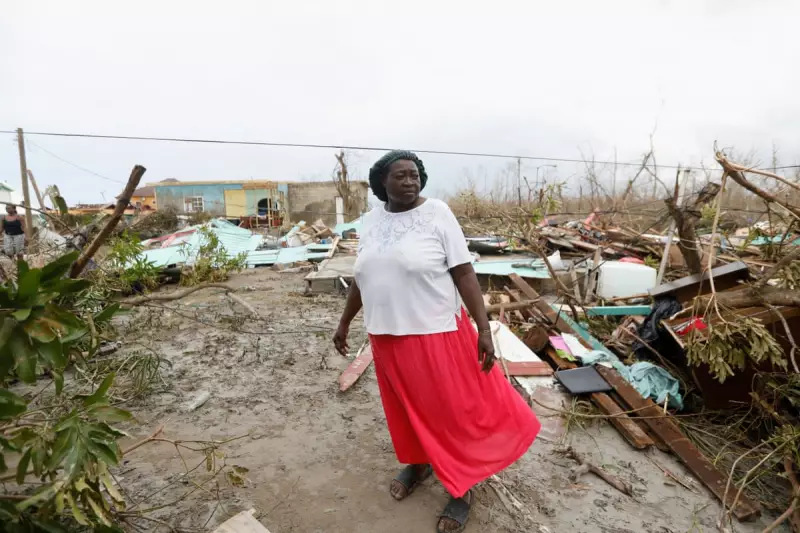
When Hurricane Melissa slammed into Jamaica with ferocious 185mph winds on 28 October, it left a landscape of physical ruin: homes flattened, hospitals damaged, and critical infrastructure destroyed. The catastrophic storm claimed 32 lives and impacted 1.5 million people. Yet, beyond the visible wreckage, clinical psychologist Toni-Jan Ifill recognised another, more insidious devastation was unfolding—a wave of long-term psychological trauma.
The Unseen Scars of the Storm
Over a month after the Category 5 hurricane also affected eastern Cuba, the terrifying memories persist. Ifill reports that even staff at the University Hospital of the West Indies in Kingston are haunted by recollections of the wind. For many survivors, the sound of rain is now a trigger for anxiety and fear.
"Simple things can trigger them," Ifill explains. "One woman mentioned a trolley we often push through the corridors, whose sound reminded her of cracking branches and the wind. She no longer wants to hear that sound."

While financial aid, including a pioneering catastrophe bond payout of $150m and a multi-billion dollar recovery package, will aid physical reconstruction, experts warn it cannot address the widespread emotional damage. This trauma is especially acute for those still recovering from the impact of Hurricane Beryl earlier in 2024.
A Call to Integrate Mental Health into Disaster Policy
As focus remains on rebuilding homes and roads, a growing body of research highlights a parallel crisis. Studies over the past three years consistently show that risks of post-traumatic stress disorder (PTSD), depression, and anxiety surge following hurricanes and forced displacement.
Experts are now urgently calling for mental health support to be formally integrated into climate-disaster policy across Caribbean small island developing states. Dr Rose-Ann Smith, a lecturer in disaster risk management at the University of the West Indies, agrees that while humans are resilient, the worsening climate crisis is making mental health a critical issue.
Research by Dr Eamin Heanoy of the University of Alberta, who studied disaster survivors globally, identifies three primary mental health challenges: PTSD, depression, and anxiety. Both researchers found that women often report higher levels of mental distress than men following such catastrophes.
Dr Smith identifies the loss of housing as "one of the primary stressors," a burden magnified when insurance or savings are absent. "Rebuilding comes with its own mental burden," she states. Ifill observes this firsthand: "People who had mental health challenges before have noticed it's significantly worse in this short period of time."
Community Resilience and the Path to Recovery
The emotional wounds run deep, particularly for those dealing with permanent disability or the loss of loved ones—losses that bricks and mortar cannot repair. Heanoy's research indicates that survivors consistently find community support more responsive than government aid. Smith observes that these communal ties are fundamental to building resilience.
"The government's role is essential," Smith says. "In its absence, or when it is slow, communities keep each other whole."
Ifill witnessed this powerful community spirit in Jamaica, noting the "impressed by the sense of humour and relaxed manner" that helped people cope. She praised government efforts to encourage mental health awareness post-Melissa but also warned of the dangers of 'doomscrolling', advising people to limit social media and stick to reliable news sources.
International agencies are increasingly recognising the link. The World Health Organization and the Pan American Health Organization have published guidelines on psychological first aid and support. Notably, the Caribbean Development Bank, prompted by on-the-ground feedback, initiated a psychosocial support programme in 2018 with PAHO to train professionals and combat stigma.

However, the scale of the challenge is immense. As Daniel Best, President of the Caribbean Development Bank, notes, the region emits less than 1% of global emissions yet suffers disproportionate climate impacts. He argues that a swift, well-funded recovery is critical to prevent prolonged suffering.
"If we can have structures that can withstand [major hurricanes], that means we will lose fewer people, and we will lose fewer of our possessions," Best says. "If we can reduce loss, then it gives us a fighting chance to be mentally and psychosocially a bit more grounded."
The story of Kieron Chaboo, a farmer from Trinidad and Tobago who lost everything in 2018 floods and is still awaiting compensation, underscores a harsh reality. When survivors cannot rebuild their pre-disaster lives, research shows trauma can persist, diminishing hopes for a full recovery. For Jamaica and its neighbours, healing the invisible wounds of Hurricane Melissa may be the longest reconstruction task of all.