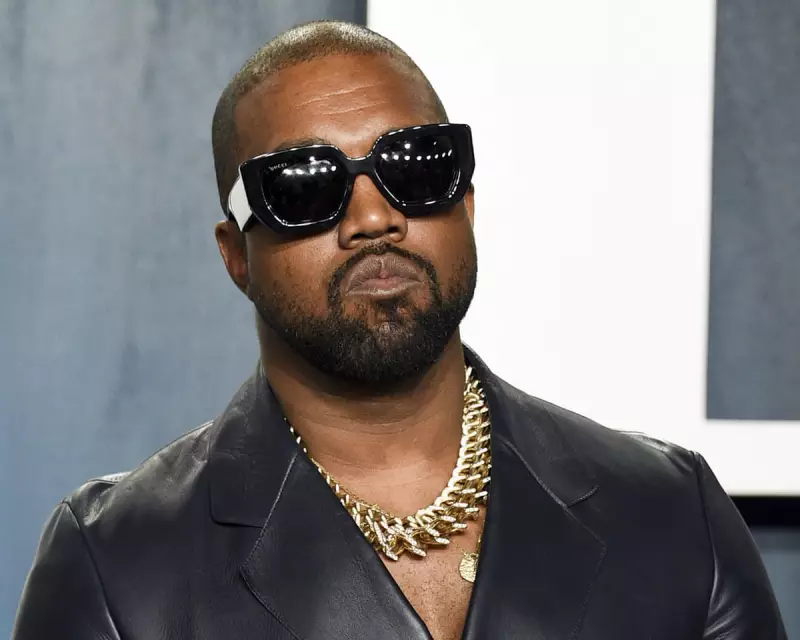
Kanye West Elaborates on Apology for Antisemitic Comments
Kanye West, legally known as Ye, has provided further insight into his recent public apology for making strongly antisemitic remarks. The rapper and fashion mogul attributes these controversial statements to manic episodes linked to his bipolar-1 disorder, which he says stems from brain injuries sustained in a serious car accident.
The Context of Controversial Statements
On multiple occasions, Ye made headlines with inflammatory comments that included expressing admiration for Hitler, identifying as a Nazi, and accusing Jewish people of conspiratorial actions. These remarks led to significant professional consequences, including the termination of his lucrative partnership with Adidas and his representation by a talent agency. Previously, he had also faced backlash for statements targeting Black Americans, such as claiming slavery was a choice and promoting White Lives Matter slogans.
A Public Apology and Personal Reflection
In a full-page advertisement published in the Wall Street Journal, Ye issued an open letter apologising to those he hurt. He described how bipolar disorder can create a false sense of insight and power, leading to regrettable actions. He emphasised that his condition does not excuse his behaviour, stating, "I am not a Nazi or an antisemite. I love Jewish people."

Now, in an email interview with Vanity Fair, Ye has expanded on his motivations for the apology. He explained that it was not driven by commercial interests, despite his upcoming album Bully, but by profound remorse. "These remorseful feelings were so heavy on my heart and weighing on my spirit," he said. He acknowledged the impact of his words on the Jewish and Black communities, adding, "All of it went too far. I look at wreckage of my episode and realise that this isn't who I am."
Making Amends and Treatment Journey
When asked about repairing relationships in his personal life, Ye described a daily process of reflection. "Every day that I wake up, it's a checklist of everything that I said – at least what I can recall – while in a bipolar episode," he shared. He lamented how his impulsive statements damaged family bonds and lifelong friendships.
Ye revealed that a manic episode in 2025 lasted four months, followed by depression due to a medication change. This led him to seek treatment at a rehabilitation facility in Switzerland, where he found an "effective and stabilising course correction." He discussed the challenges of medication management, noting that finding the right dosage is critical to avoid side effects like zombification.
Clarifying Diagnosis and Moving Forward
In February 2025, Ye had suggested he might be autistic rather than bipolar, but in his Wall Street Journal apology, he clarified that this diagnosis was inaccurate. He wrote about the frustration of being misdiagnosed by top doctors, highlighting the ongoing struggle with his mental health.
Ye emphasised his commitment to accountability and positive change, stating, "It's important that they realise and understand what side of history that I want to stand on. And that is one of love and positivity." His journey underscores the complexities of mental health treatment and the personal toll of public controversies.