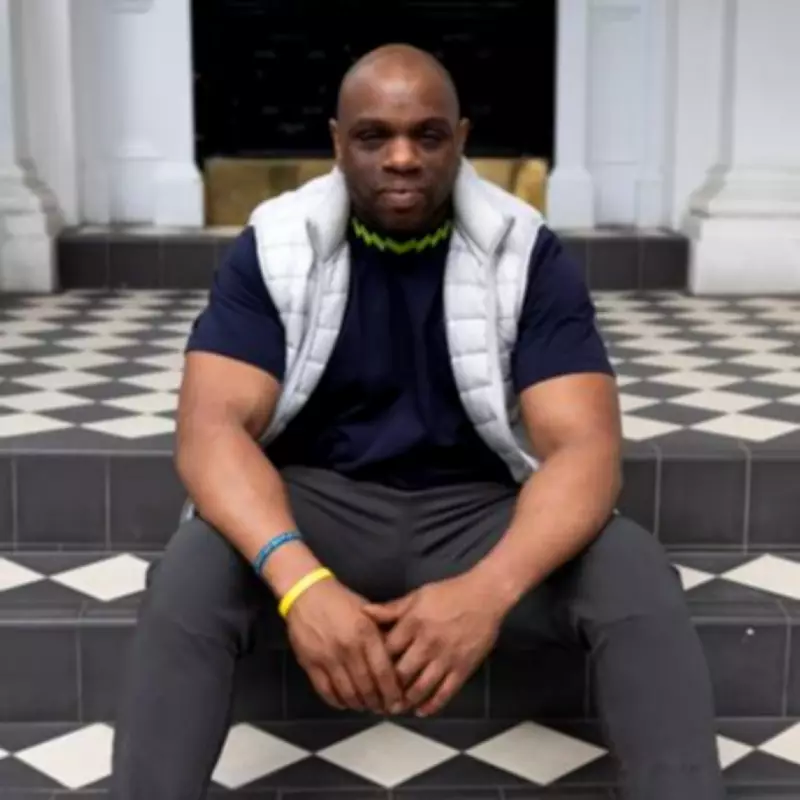
From Invisible on London's Streets to University: Darren's Journey to Help Others
Darren Skeete, 48, has just booked his first holiday, obtained his driver's licence, and reconnected with his children—milestones that seemed impossible during his years battling addiction and homelessness. Now, he is setting his sights on studying integrative counselling at university, aiming to use his experiences to assist others facing similar struggles.
A Life Transformed by Recovery
Darren's journey from the streets of London to a path of recovery and purpose is a testament to resilience. After years of addiction to crack cocaine, cannabis, and MDMA, which led to on-and-off homelessness, he has been ticking off significant firsts since getting clean. In September, he will take his first flight to visit family in Malta, adding to achievements like his first car and passport.
"I had times where I slept on the street, I had times where I've slept in cars, times where I had to sleep in overnight hostels," Darren recounted to the Local Democracy Reporting Service. He described feeling invisible while rough sleeping, part of what he calls an "unseen society" in a cold world.

Early Struggles and Addiction
Darren's challenges began early; he first tried cannabis at age 12 and ecstasy at 16, which spiraled into years of addiction. At 16, he experienced homelessness for the first time, fleeing turmoil at home and spending four weeks in a hostel. Despite brief stability, including a council flat tenancy at 18, his addiction persisted, leading to eviction in 2002 for unpaid bills and a four-year prison sentence in 2006 for drug-related crimes.
To support his habit, he resorted to "robbing, thieving, stealing, manipulating, lying and cheating," and worked dangerously delivering parcels in Central London while under the influence.
Turning Point with Support Services
In 2021, Darren was placed in a hostel, but the environment, with needles and drug paraphernalia, hindered his recovery. A breakthrough came in 2023 when he joined Kensington and Chelsea's Rough Sleeper Dual Diagnosis Service (RSDDS). This tailored, peer-based program addresses mental health and substance misuse, providing therapy, rehab, and ongoing support.
"[When I came to the service] I was really delusional. I didn't know much about anything," Darren admitted. He now works as a peer worker at RSDDS, helping others navigate similar issues. The service has assisted over 40 people into rehab since 2021, including 14 in the past year alone.
Rebuilding Relationships and Future Goals
Darren's recovery has allowed him to rebuild relationships with his four children, who express pride in his journey. He is on the waiting list for housing with a housing association and reflects on his transformation: "My life was a mess, like a huge mess, you know. And today, I've got a relationship with my family, I've got my driver's licence back, I've got a car, a passport, and then I've booked my first holiday."
His ambition to study integrative counselling at university stems from a desire to give back, using his lived experience to support rough sleepers and those battling addiction. Darren's story underscores the critical role of community services in fostering recovery and hope.