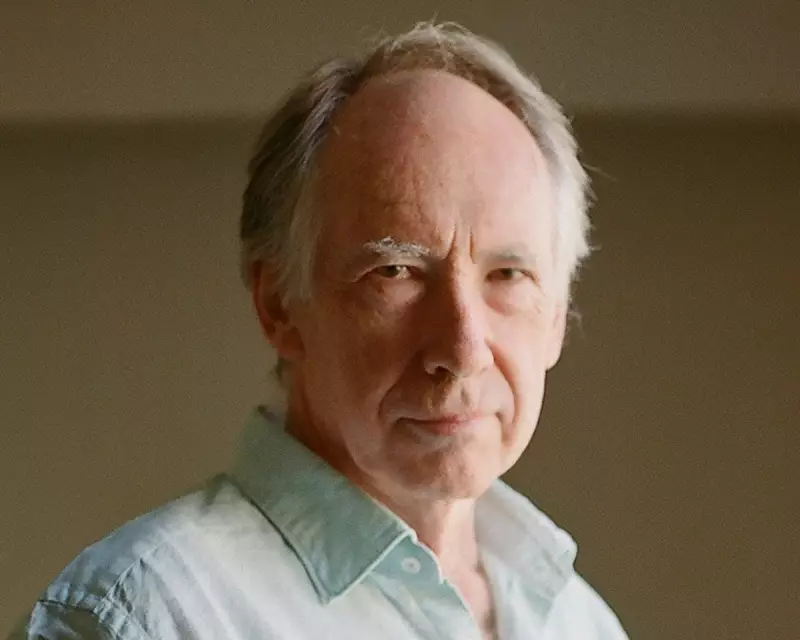
Ian McEwan Urges Expansion of Assisted Dying Rights to Include Dementia Sufferers
Renowned author Ian McEwan has publicly called for the legal framework surrounding assisted dying to be "gradually" extended to include individuals suffering from dementia. Speaking at a book event in London, McEwan expressed his support for broader provisions that would allow those with degenerative cognitive conditions to access end-of-life choices.
Personal Experience with Dementia's Impact
McEwan's advocacy stems from deeply personal experiences within his own family. His mother Rose lived with dementia, as did his brother-in-law and another close relative. He described the profound emotional toll of watching loved ones decline, stating that by the time his mother reached advanced stages where she could no longer recognise anyone, she was effectively "alive and dead all at once."
"The burden on those closest is also part of the radioactive damage of it all," McEwan remarked, highlighting how dementia's effects ripple through families and caregivers.

Current Legislative Challenges and Proposed Changes
The author voiced frustration with opposition to the UK's assisted dying bill, which he says has been hampered by over 1,000 amendments in what he characterises as filibustering attempts. MPs and peers now believe it is "near impossible" for the bill to pass the House of Lords before the parliamentary session ends in May.
If enacted, the current bill would legalise assisted dying in England and Wales solely for adults with a prognosis of less than six months to live. McEwan argues this is insufficient, noting that certain groups, including dementia patients, are "missing from it." He emphasised that eligibility should not be limited to physical pain alone.
The Role of Living Wills and Future Considerations
McEwan suggested that living wills could provide a mechanism for dementia sufferers to clarify their end-of-life intentions before they lose decision-making capacity. He recounted his mother's earlier wishes, saying she once told him, "If I ever become really terrible, I'd like you to finish me off." Under current law, acting on such a request would constitute murder.
"Imagine standing up in court and saying: 'Well, she did say when we were on the beach 20 years ago...'" McEwan noted, illustrating the legal complexities and emotional dilemmas families face.
He believes that with proper safeguards involving medical professionals and dispassionate assessments, society will eventually look back and question why people were ever allowed to die in agony. "We're not asking much," said McEwan, who serves as a patron of Dignity in Dying.
Broader Themes in McEwan's Work and Views
McEwan made these comments during his appearance at St Martin-in-the-Fields church in central London as part of its Conversation series, where he discussed his latest novel, What We Can Know. Dementia features prominently in this book, as it has in previous works like Lessons and Saturday.
The conversation also touched on other contemporary issues:
- Social Media: McEwan expressed support for bans on social media platforms for under-16s, similar to measures in Australia. He lamented the loss of solitude in modern life and is writing a novel about the "disappearance of childhood."
- Climate Change: What We Can Know is partly set in 2119, depicting a Britain transformed into an archipelago by rising seas. Despite describing the current world state as dire, McEwan maintains a "little streak of optimism" about humanity's ability to "scrape through."
McEwan described his novel as exploring "contrary forces" of despair and hope, reflecting the tension between wanting the "human project to survive" for future generations and the "elderly pessimism" that can cloud clear thinking. His advocacy for assisted dying reform emerges from this same nuanced engagement with life's most challenging questions.