Psychiatric Body Faces Internal Rebellion Over Controversial Qatar Deal
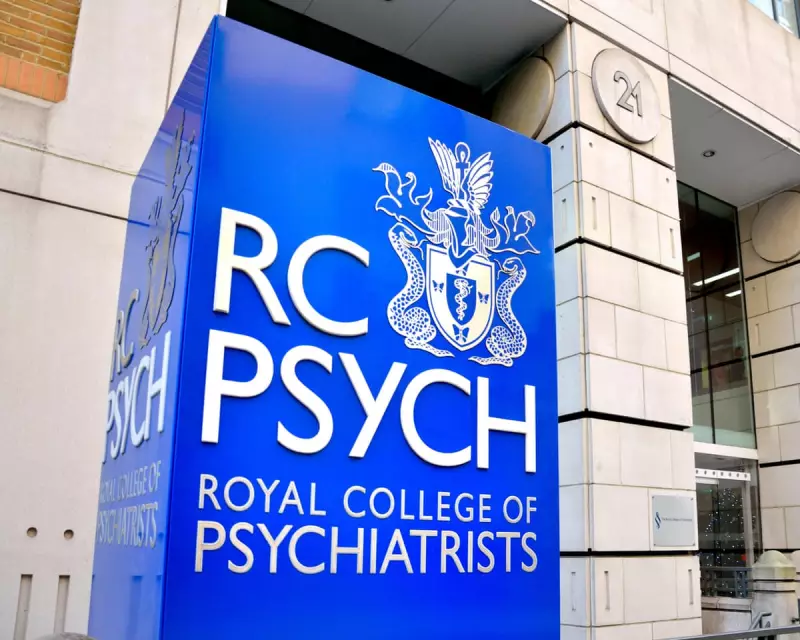
The Royal College of Psychiatrists is confronting significant internal opposition from its members following its decision to establish an examination partnership with Qatar's state healthcare provider. More than 150 psychiatrists from prominent UK hospitals and universities have united in protest against the arrangement.
The college has signed a contract with Hamad Medical Corporation, Qatar's state-owned healthcare organisation, to host international clinical examinations in Doha. This initiative will enable psychiatrists from across the Middle East and other regions to apply for college membership through exams scheduled for 10 to 13 November.
Human Rights Concerns Spark Member Backlash
In a strongly worded letter sent to the college president in September, psychiatrists expressed deep concerns about conducting exams in a country with documented human rights issues. The letter highlighted that same-sex relationships remain criminalised in Qatar and could potentially carry the death penalty under the nation's legal system.

The protest letter stated: "A commercial relationship with Qatar's public health system, a de facto branch of its government, runs a risk of significant reputational damage to the college." It further detailed concerns about women's rights, noting they "are denied equal rights in a number of domains" and lack legal protection against domestic abuse.
Dr Bradley Hillier, a consultant forensic psychiatrist who signed the protest letter, voiced his apprehension: "I am really quite disturbed that the Royal College of Psychiatrists is seemingly entering a business relationship with a state that has significant challenges around human rights."
Examination Content Raises Ethical Questions
The controversy extends to the examination format itself, which involves candidates conducting mock consultations with actors portraying patients. Psychiatrists have questioned how mental health issues relating to gender dysphoria, HIV status, or experiences of homophobia would be appropriately addressed in a country where such topics are legally problematic.
Professor Michael Bloomfield, head of the translational psychiatry research group at University College London and another signatory, described the partnership as "completely morally unacceptable" and expressed regret that the college "is choosing to operate in a country which is constitutionally homophobic."
The college currently operates one other international examination centre in Singapore, with the Doha location expected to serve approximately 120 candidates during its November session.
College Defends International Expansion
In response to the criticism, the Royal College of Psychiatrists issued a statement defending its decision. The college emphasised that its priority includes "tackling inequity and focusing on improving the mental health care of marginalised groups."
The institution stated that holding exams in the Middle East aims to provide access to doctors from the global south and asserted that the content and delivery in Doha would meet the same rigorous standards applied in UK and Singapore examinations.
The college also noted it had received supportive feedback from many of its 22,200 members and stated: "Our approach is anti-discriminatory and evidence-based, deliberately avoiding a colonial mindset of selectively deciding who we will or won't work with."
However, Professor Annie Bartlett from City St George's University, London, while welcoming international exam access, questioned the choice of location: "There are lots of countries that you could have chosen that would avoid issues of women's rights, migrant workers and the death penalty on the statute for certain same-sex practices."
The dispute highlights the ongoing challenge facing international medical organisations balancing educational access with ethical considerations in regions with differing human rights standards.