Running Maintains Connection as Dementia Progresses
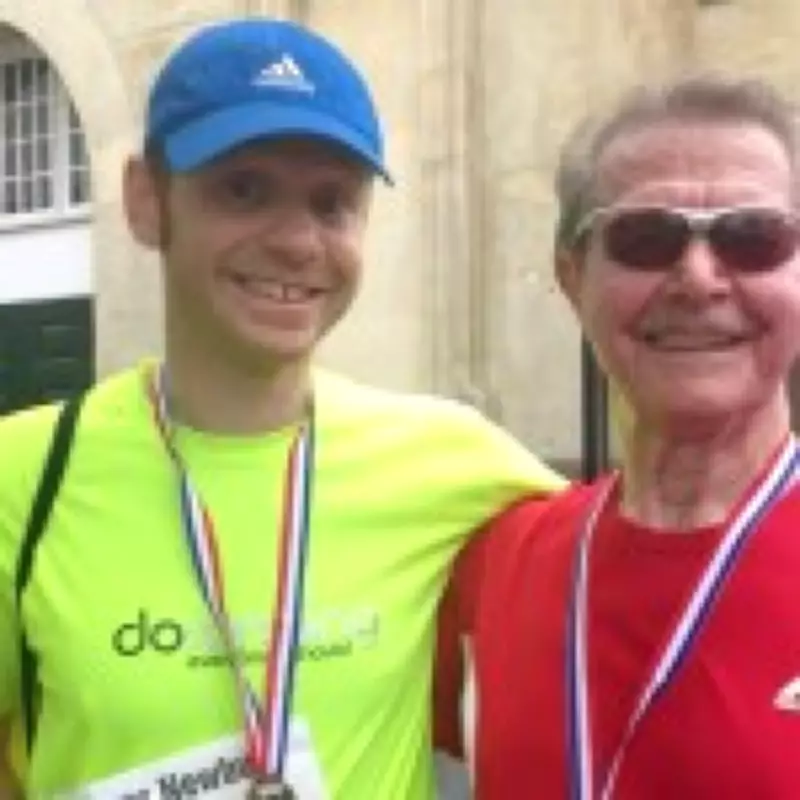
When Fred Smith received a dementia diagnosis in 2014 at age 80, his unconventional running attire—jeans, a burgundy knitted sweater, and loafers—became symbolic of his determination to maintain physical activity despite cognitive decline. His son James explains that running remained the one consistent thread in their relationship throughout Fred's illness.
A Marathon Conversation Sparks Lifelong Passion
The father-son running journey began unexpectedly in April 2009 while watching the London Marathon on television. "We had an okay relationship but struggled for conversation topics," James recalls. "When Dad, then about 70, said 'I think I'd like to do that,' I randomly replied 'I think I'd like to as well.'" This spontaneous exchange launched countless miles of shared running experiences.
"Running gave us something substantial to discuss," James reflects. "We completed our first 10k race together and discovered that while running itself wasn't conversational, Fred became remarkably chatty afterward, sharing thoughts that had accumulated during our runs."

Physical Fitness Persists Despite Cognitive Decline
Remarkably, Fred maintained excellent physical conditioning for years following his diagnosis. "The challenge was his tendency to wander during runs," James notes with a chuckle. "He could end up five or six miles away without realizing it." Even as dementia advanced, Fred consistently asked his son one particular question: "How's running going?"
In 2022, shortly before entering residential care, father and son walked 412 miles together along the Essex Way. James documented their journey with photographs, creating a cherished photobook for his father. Sadly, Fred has since lost mobility and become bedbound, a development James describes as "incredibly hard to watch."
Running Clubs Provide Support and Community
James now trains with the Dementia Run Club, comprising ten runners selected by Alzheimer's Society. These athletes are participating in September's Great North Run, supported by Metro's Lifeline campaign. One club member has recently received a dementia diagnosis, while others have loved ones affected by the condition.
"Running lowers inhibitions and facilitates meaningful conversations," James explains. "Because people associate my running with my father, they approach me for advice about dementia, creating positive engagement with a difficult subject."
Scientific Benefits of Running for Mental Health
Sport and exercise psychologist Dr. Matt Cunliffe emphasizes running's therapeutic potential. "People often report mood improvement after a single running session," he notes. "Running builds resilience by teaching us to tolerate discomfort, which directly translates to better stress management."
Dr. Cunliffe adds that running releases beneficial brain chemicals that improve emotional regulation and pleasure perception. "Run clubs provide additional benefits through social interaction and outdoor environments," he explains. "Green spaces enhance mood and focus, while shared experiences create powerful nervous system regulation."
Charity Running Initiatives Multiply Nationwide
Marie Curie's Grief Run Clubs demonstrate how shared experiences can transform exercise into community support. These monthly London gatherings aim to raise £2 million ahead of the 2026 London Marathon, where Marie Curie serves as official charity.
"Running provides space for people experiencing loss to process emotions," explains Saiqa Phillips, bereavement coordinator at Marie Curie Hospice in the West Midlands. "While running can feel isolating, grief run clubs create belonging and community."
Research indicates one in four Britons uses running to cope with loss. Phillips notes that regulated breathing during running parallels emotional regulation, making side-by-side conversation less intimidating than face-to-face interaction.
London-Based Initiatives Foster Inclusion
The Outrunners, a London charity founded in 2020, uses running to connect young professionals with long-term residents in Hackney. "This is more than just exercise," says interim CEO Sangeeta Bhopal. "It's about running's power to manage stress and mental health while building community across backgrounds."

The organization operates youth run clubs in Newham and Tower Hamlets with specific programs engaging ethnically diverse girls. "Participants often begin with no running interest," Bhopal observes, "but their mood transforms from session start to finish."
National Running Communities Expand Support
Additional charity running initiatives nationwide include:
- Run Talk Run: Free mental health running groups meeting weekly for 5km jogs across UK locations including Tooting, Glasgow Southside, and Chippenham, plus an international group in Switzerland.
- 5k Your Way, Move Against Cancer: Community initiative encouraging cancer patients, families, and healthcare professionals to walk, run, or volunteer at monthly Parkrun events across 120 UK and Ireland locations.
- Mile Shy Club: Greater Manchester charity specializing in beginner support through "Couch to 5k" programs and mental health groups across fifteen locations.
A Lasting Legacy Through Running
For James, running continues as tribute to his father. "Not a single run passes without me thinking about Dad," he shares. "I genuinely derived joy from running together, and I miss that connection profoundly."
Interestingly, James hasn't achieved a personal best since his father entered care. "Dad was the person I loved telling about PBs because he would be genuinely overjoyed," he reflects. "Running with the Dementia Run Club honors his memory while supporting others navigating similar journeys."