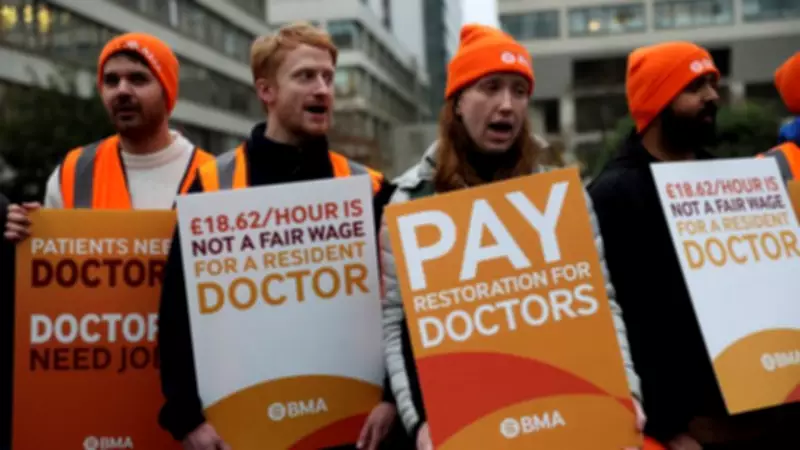
Resident Doctors in England Announce Six-Day Strike Over Pay Dispute
The British Medical Association has announced that resident doctors in England will stage a six-day strike beginning April 7, following weeks of unsuccessful negotiations with the government over pay and working conditions. The industrial action is scheduled to commence at 7 a.m. on April 7, immediately after the Easter bank holiday, and continue until 6:59 a.m. on April 13.
Failed Negotiations Prompt Industrial Action
In a statement released on social media platform X, the British Medical Association declared that resident doctors have been left with no alternative but to strike. The organization criticized the government for moving the goalposts during negotiations and failing to make sufficient progress on fair compensation for medical professionals.
"We have called six days of industrial action to make the Government listen, stop the game playing, and come back with an offer that delivers fairly on both jobs and pay," the association stated.

Government Urged to Act Quickly
Jack Fletcher, chairman of the British Medical Association's Resident Doctors Committee, emphasized that the government must act swiftly to prevent the planned walkout. He highlighted concerns about inflation and the ongoing exodus of doctors from the United Kingdom to other countries offering better compensation packages.
"We cannot ignore that, thanks to global events, economic indicators now point to years of greatly increased inflation," Fletcher explained. "We are simply not going to put an offer to doctors that risks locking in further erosion of pay at a time when doctors continue to leave the UK for other countries."
Negotiation Breakdown and Pay Restoration Demands
Fletcher revealed that negotiations had been progressing positively until recent weeks when the government began altering terms. He expressed frustration that proposed pay increases would now be distributed over three years rather than implemented more immediately.
The situation was further complicated by the pay review body's recommendation of a 3.5% uplift, which doctors argue fails to address years of pay erosion. Fletcher stressed that any agreement must substantially advance pay restoration goals to be acceptable to resident doctors.
"We have made abundantly clear throughout this dispute that our aim is pay restoration, and any deal that did not move us substantially in that direction was not going to fly," he stated.
Ongoing Willingness to Negotiate
Despite the strike announcement, the British Medical Association maintains that it remains open to further discussions with government representatives. Fletcher emphasized that no strikes need to occur if the government demonstrates genuine commitment to resolving the pay and jobs crisis affecting resident doctors.
"We are not closing the door on talks. We remain willing to negotiate and are eager to get a deal done if we can simply recapture the early positive spirit of negotiations," Fletcher concluded.