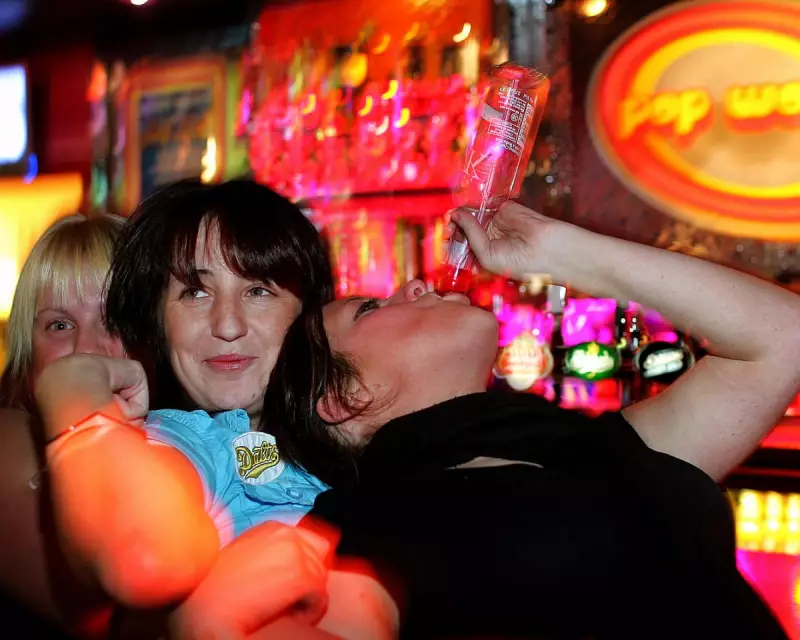
The Changing Face of British Social Life
Young Britons are increasingly turning away from alcohol, creating a significant cultural shift that raises intriguing questions about the future of socialising and weekend entertainment. Recent official data from the NHS reveals that almost a quarter of adults in England abstained from alcohol entirely during 2024, marking a substantial increase from previous years and signalling a profound transformation in national drinking habits.
Statistical Evidence of a Sobering Trend
The comprehensive NHS survey, which examined the habits of 10,000 individuals across England, provides compelling evidence of this behavioural change. The research indicates that 24% of adults reported complete alcohol abstinence in 2024, compared to just 19% in 2022. This five percentage point increase represents a significant acceleration in the trend toward sobriety, with younger generations demonstrating the most pronounced shift away from traditional drinking culture.
Generation Z emerges as particularly noteworthy in this transformation, with only 10% reporting frequent alcohol consumption according to the 2022 data. This contrasts sharply with older demographics, where 34% of 55 to 64-year-olds and 37% of 65 to 74-year-olds reported regular drinking. The generational divide highlights how cultural attitudes toward alcohol are evolving dramatically across different age groups in contemporary Britain.

Cultural Transformation and Health Implications
Multiple factors contribute to this cultural realignment, with financial considerations playing only a partial role. The predominant driver appears to be changing social attitudes, where excessive drinking has lost its previous cultural cachet among younger people. As one observer noted, "It's just not cool to be wasted any more" - a sentiment that reflects broader societal shifts toward health consciousness and wellness.
This transformation carries significant implications for public health and the National Health Service. While alcohol-related illnesses still cost the NHS in England approximately £4.9 billion annually, the declining consumption rates offer hope for reduced future burdens on healthcare services. The trend aligns with growing public awareness about alcohol's health impacts, including cancer risks and metabolic concerns that influence personal decisions about drinking.
Reimagining Social Traditions
The shift away from alcohol prompts fundamental questions about how British social life will evolve. Traditional markers of weekend entertainment - from pub gatherings to late-night revelry - face redefinition as younger generations seek alternative forms of social connection and entertainment. This cultural transition challenges long-standing assumptions about what constitutes a memorable night out and how social bonds are formed and maintained.
Some observers express nostalgia for the shared experiences that alcohol-fuelled evenings once provided, wondering where future generations will find their equivalent "war stories" and memorable social moments. Yet this perspective overlooks the potential for new traditions to emerge, potentially centred around wellness activities, cultural experiences, or alternative social venues that don't revolve around alcohol consumption.
Generational Perspectives and Future Projections
The contrast between generations becomes particularly evident in family settings and social observations. Parents who grew up with different drinking norms now witness their children approaching social situations with markedly different attitudes toward alcohol. This generational divide reflects broader cultural evolution, where health consciousness and wellness have become increasingly prominent values among younger Britons.
Looking forward, this trend suggests a continued transformation of British social landscapes. While traditional drinking establishments may need to adapt, new social spaces and activities will likely emerge to accommodate changing preferences. The cultural significance of this shift extends beyond mere consumption patterns, touching upon questions of national identity, social cohesion, and how communities gather and celebrate together in an increasingly health-conscious era.

As Britain navigates this cultural transition, the fundamental question remains: what new forms of social connection and weekend entertainment will replace traditional drinking culture, and how will these shape British identity for generations to come?