Surgeon Cleared of Antisemitism Accuses GMC of Political Appeal
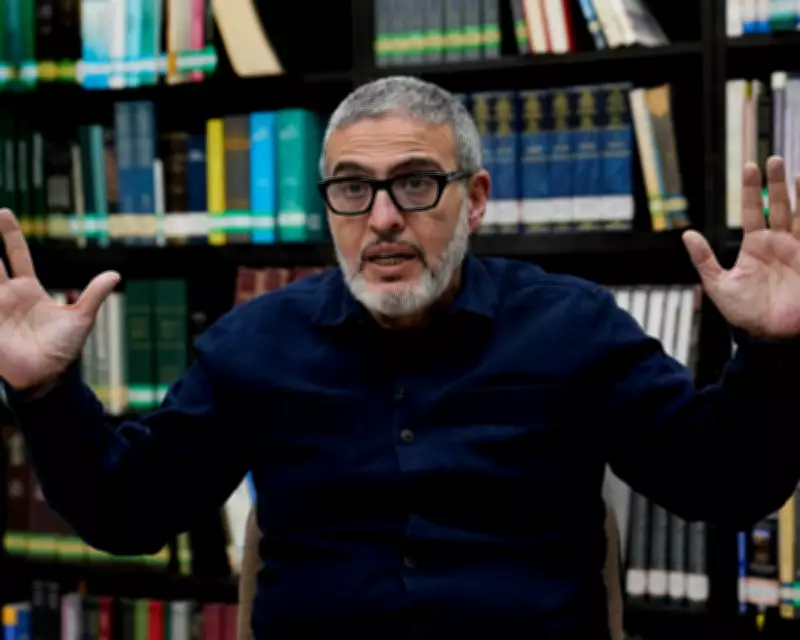
Dr. Ghassan Abu-Sittah, a prominent surgeon and rector of the University of Glasgow, has launched a scathing critique against the General Medical Council (GMC) following its decision to appeal a tribunal ruling that cleared him of alleged antisemitism and support for terrorism. The GMC's move, which comes after a complaint by the lobby group UK Lawyers for Israel (UKLFI), has prompted Abu-Sittah to initiate a crowdfunding campaign to raise £150,000 for his legal defense, accusing the regulator of seeking a "politically acceptable" outcome.
Background of the Case and Tribunal Decision
The case against Dr. Abu-Sittah stemmed from a newspaper article he authored for a Lebanese publication and two posts on the social media platform X. In January, the Medical Practitioners Tribunal Service (MPTS) thoroughly examined the evidence and dismissed all allegations of misconduct. The tribunal chair, Ian Comfort, emphasized that the panel did not selectively quote from the article but evaluated it in its entirety, finding no content that could be construed as antisemitic or supportive of terrorism or violence. Similarly, the tweets related to Hamas and the Popular Front for the Liberation of Palestine were deemed not to incite or endorse violent acts.
Abu-Sittah, who has also provided testimony to the International Criminal Court regarding Israel's military actions in Gaza, expressed relief at the initial ruling, stating it marked the end of a two-year period of harassment aimed at undermining his credibility. He firmly denied ever supporting violence against civilians, attributing the allegations to a broader campaign to discredit his humanitarian and professional work.

GMC's Appeal and Allegations of Political Pressure
Despite the tribunal's clearance, the GMC announced its intention to appeal the decision to the High Court, a move that Abu-Sittah condemns as politically motivated. He argues that the significant financial burden of the appeal, funded by GMC members' fees, raises serious questions about external political influences on the regulator. This criticism comes amid ongoing government plans to revoke the GMC's right of appeal, a change that has been under discussion since a 2018 review highlighted perceptions of the regulator having dual opportunities to press its case.
In response, a GMC spokesperson defended the appeal, stating it is exercised with great care and solely to protect the public, given the nature of the allegations. Meanwhile, UKLFI has distanced itself from the GMC's appeal, instead filing a separate complaint with the Professional Standards Authority about the handling of the case and the MPTS decision.
Support and Broader Implications
Dr. Abu-Sittah has received widespread support from various quarters, including Jewish colleagues, patients, and Israeli co-workers who submitted testimonials to the GMC tribunals. This backing underscores the contentious nature of the case, which touches on issues of free speech, professional regulation, and political activism in the medical field. As the appeal proceeds, it highlights ongoing debates about the balance between regulatory oversight and potential overreach, particularly in cases involving high-profile individuals and sensitive geopolitical contexts.