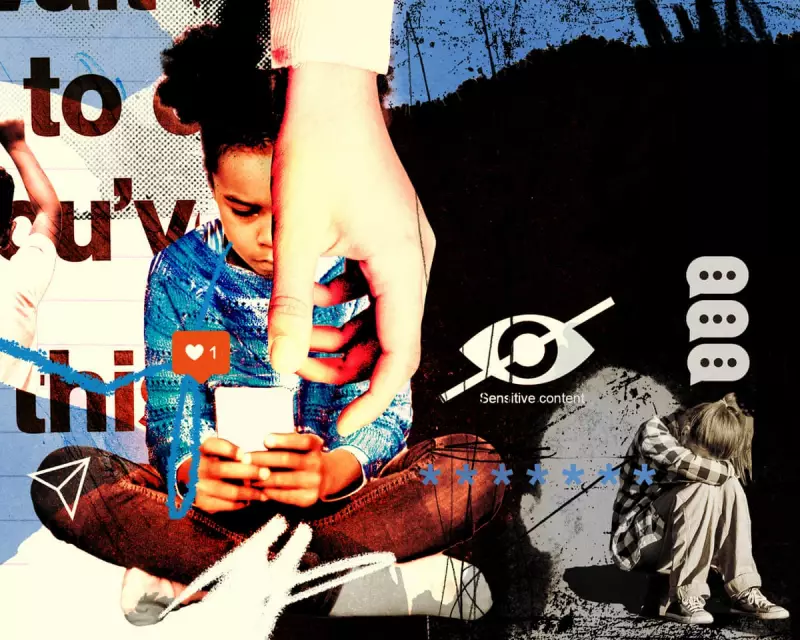
Even British teenagers are now calling for stricter laws around social media platforms, but experts argue this must form part of a much broader vision for protecting children's wellbeing. The conversation has intensified following Emmanuel Macron's announcement that France will ban under-15s from social media, a move that has resonated with growing parental and political concerns across the UK.
The Rising Tide of Concern
The backlash against social media has become unmistakable as guilt over endless scrolling meets genuine alarm about the dystopian environments big tech has helped create. Recent polling for the thinktank The New Britain Project reveals that half of 16- to 24-year-olds wish they'd spent less time on their phones, while three-quarters want tougher regulation to protect young people from social media harms.
When teenagers themselves express that they would keep their own future children away from these platforms for as long as possible, it signals a profound cultural shift. The grim excesses visible on platforms like X under Elon Musk's leadership have shaken many adults out of complacency, even though most teens prefer TikTok, Instagram and Snapchat.

Political Momentum Builds
Teachers exhausted by dealing with the fallout from adolescent social media conflicts, and parents beguiled by stories of Australian children rediscovering bike rides and board games after under-16s were banned from social media, are demanding action. The political landscape is shifting accordingly.
Health Secretary Wes Streeting recently invited pro-ban campaigning author Jonathan Haidt to address officials, while Andy Burnham has suggested a crackdown makes sense to him. Meanwhile, the Conservatives have amended the children's wellbeing and schools bill going through the House of Lords to put the idea of a ban on the table, creating an awkward situation for Labour MPs who broadly agree but don't want to see the Tories take credit.
Beyond Simple Bans
However, the most powerful argument against a simple ban is that it's not the easy answer to teenage mental health crises that some want it to be. Research from the University of Manchester, tracking 25,000 children, found no evidence linking heavier social media use or gaming in one school year with increased anxiety and depression the next.
Yet researchers didn't conclude social media was harmless. Instead, they emphasised that teenagers are complicated, and adults should pay more attention to what they're doing both on and offline. The evidence remains mixed about whether being glued to a phone makes children miserable, or whether miserable teens spend more time online seeking comfort.
A Comprehensive Approach Needed
Age limits for social media could fit alongside properly funded children's mental health services, more activities for teenagers away from screens, and an honest reckoning with other factors threatening children's wellbeing. These include:
- Poverty and economic pressures on families
- Academic stress and examination pressures
- Inadequate youth facilities and activities
- Parenting challenges in the digital age
The recent government announcement of funding for youth clubs represents a positive start, but much more comprehensive thinking is required. As Ian Russell, whose daughter Molly tragically killed herself after viewing endless images of self-harm on Instagram, has argued thoughtfully, the Online Safety Act should be given a chance to work before considering more drastic measures.
Setting Social Norms
Legislating on teenage harms is less about prohibition than setting social norms until young people are old enough to regulate their own intake, and protecting them from industries otherwise only too ready to exploit them. While some will inevitably find enterprising ways around any ban, this isn't an excuse for inaction.
There's already a booming trade in fake ID for underage drinkers, but society doesn't simply give up and allow 14-year-olds to drink until they black out. Similarly, children's charities including the NSPCC express valid concerns about teenagers banned from major platforms experimenting with riskier alternatives, and about the cliff-edge potentially created when inexperienced 16-year-olds gain full access.

Industry Innovation Potential
As more countries consider following Australia's example, platforms face greater incentives to create teen versions of their products, as former Meta executive Nick Clegg advocated. Companies tend to innovate remarkably quickly when facing existential threats to their business models, suggesting regulatory pressure could drive positive change.
A ban alone is not a panacea, but it could form part of a broader national mission for happier childhoods that recognises society has been asleep at the wheel for too long. From four-year-olds trying to swipe books rather than read them, to teenagers struggling with online pressures, the challenges are complex and multifaceted.
It's not too late to wake up and create comprehensive protection for the next generation, combining sensible regulation with improved mental health services, better youth facilities, and honest conversations about all the factors affecting young people's wellbeing in modern Britain.