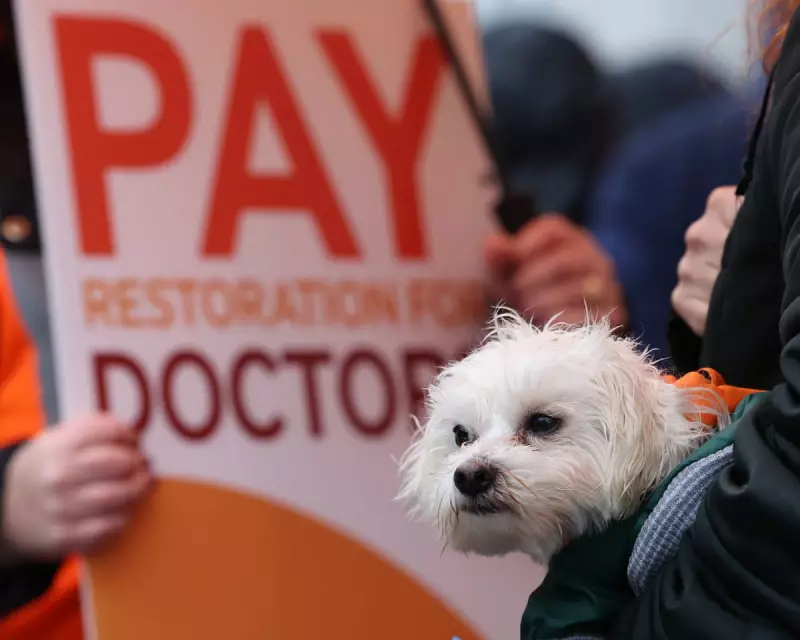
Resident doctors across England have walked out for a five-day strike, marking a significant escalation in their long-running dispute over pay and working conditions. This industrial action, which began on Tuesday, will continue until 7am on Monday after last-ditch talks between the British Medical Association (BMA) and Health Secretary Wes Streeting failed to produce an agreement.
Why the Deal Was Rejected
The government's latest offer, presented during Tuesday's meeting, focused on increasing the number of training places to help early-career medics specialise sooner. However, it crucially did not include any pay increase for the current financial year. This proposal was put to the union's members in a survey last week.
The result was a decisive rejection, with 83% of participating resident doctors voting against the offer. The turnout was 65%, meaning 35,107 of the 55,000 medics represented by the BMA's resident doctors committee had their say.

A Deepening Crisis and a Call for Respect
Dr Jack Fletcher, chair of the BMA's resident doctors committee, stated that the strike action demonstrates doctors' willingness to "stand up for their profession against a totally avoidable jobs crisis." He called for ministers to develop a genuine long-term plan.
"If they can simply provide a clear route to responsibly raise pay over a number of years, and enough genuinely new jobs instead of recycled ones, then there need not be any more strikes for the remainder of this government," Dr Fletcher added.
This walkout is the 14th strike staged by resident doctors since their industrial action began in March 2023. Resident doctors, formerly known as junior doctors, constitute approximately half of all doctors working within the NHS.
NHS Braces for Widespread Disruption
Health service leaders have expressed serious concern about the impact of this prolonged strike period. Professor Meghana Pandit, NHS England's national medical director, highlighted the challenging context, noting record numbers of hospital patients with flu for this time of year.
"Staff will come together as they always do, going above and beyond to provide safe care and limit disruption, but sadly more patients are likely to feel the impact of this round of strikes than the previous two," Prof Pandit warned. She also noted that covering staff would miss out on their planned Christmas breaks with families.
A Department of Health and Social Care spokesperson confirmed that every effort was made to avert the strikes. "While constructive, they were not able to reach an agreement. All of our focus will now be on working with the whole NHS team to minimise the disruption caused by the strikes," the spokesperson said.