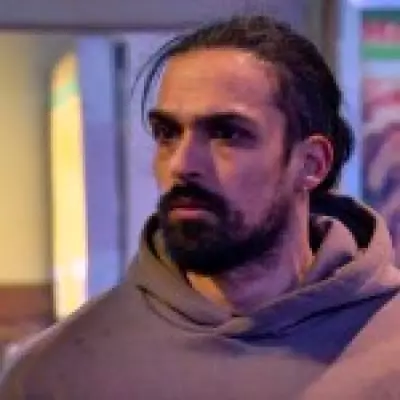
Matt Ridout, 39, from Dunstable, knows the depths of despair that can follow the loss of a child. 'I'd be lying if I said I hadn't contemplated it and been close,' he says, referring to suicidal thoughts. 'I haven't because I know Amelia wouldn't want me to – but I completely understand Wendy's motivation.'
Two weeks ago, Wendy Duffy, 56, from Birmingham, was unknown to the public. Yet just 48 hours ago, the grieving mother ended her life at the Pegasos clinic in Switzerland. Her son, Marcus, 23, died in 2022 after choking on a sandwich she made him. Matt's daughter, Amelia – or Millie – was six when she died at Addenbrooke's Hospital in Cambridge on June 16, 2022, after a routine biopsy went wrong.
'I Ceased to Function'
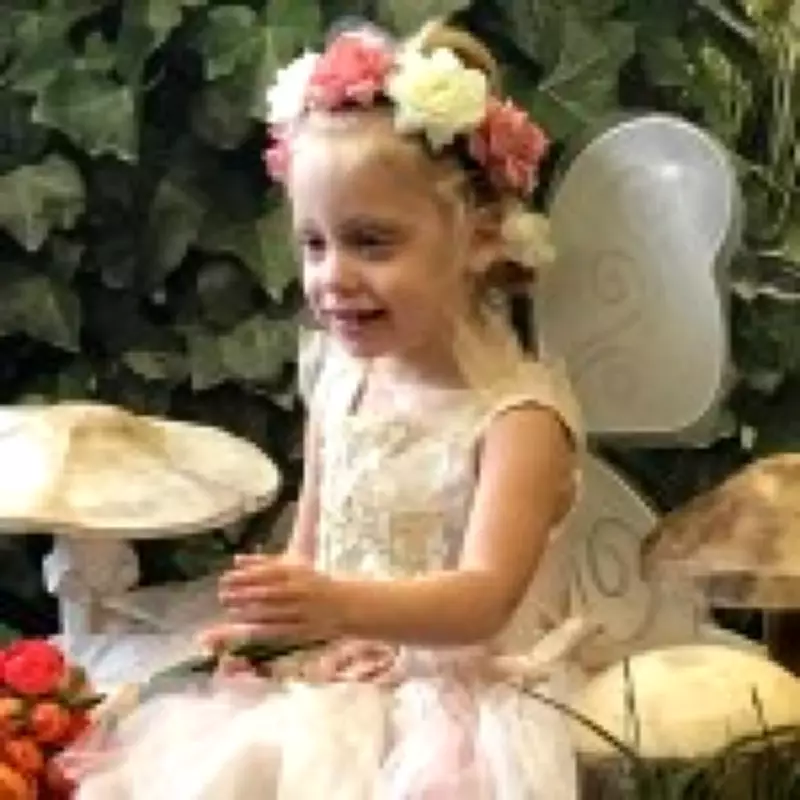
'I lived for Millie and she was gone. I didn't see the point in carrying on,' Matt recalls. Millie was a vibrant child who loved nature and finding shapes in clouds. 'She was my purpose, my happiness. I bought the grave next to her and all I could think about was being in it near her.' He adds, 'I can feel Wendy's pain – when you lose your child through something that should be utterly avoidable, it literally rips you in two.'

Millie had been unwell for four months, with bruising leading to blood tests in February 2022 that suggested a blood platelet disorder. Doctors suspected pancytopenia, a reduction in blood cells, which could be treated. Ten minutes after anaesthesia for a bone marrow biopsy, Matt sensed something was wrong. 'Someone came out and ushered me into a side room. They told me Millie had passed away but they'd resuscitated her four times so far and they were struggling to keep her alive.' Less than an hour later, she was gone.
Lack of Support
Matt says Wendy's story resonated deeply. 'The reality is that, as a society, we don't have the right support systems in place for parents who lose children. When Amelia died, there was no meaningful bereavement or trauma support offered.' He has since visited his GP but found no proper help; they deemed his situation too complex. 'This is a broader societal and governmental issue. There isn't enough funding or structure to properly support people in these situations.'
Moving to the Lake District helped break Matt's suicidal thoughts. 'We know there are high suicide rates among parents who lose children. But it's still treated as too taboo to properly address.' He tries to honour Millie's memory but acknowledges the constant pain. 'Living with this kind of grief is like carrying a chronic condition – it's constant, it's heavy, and it never ever switches off.'
What He Would Say to Wendy
If Matt could have spoken to Wendy, he wouldn't have offered answers. 'I would have simply asked her to come for a walk. To be in nature. To sit quietly by a lake or walk through the woods. Nature has a way of gently grounding you. It doesn't take the pain away, but it gives you moments where you can breathe again.'
Matt emphasises the need for better support. 'If I'm being completely honest, there were times when, if someone had offered me a way out – a clinic, an option to end the pain – I might have considered it. That's how intense it can get.'
For support, the Samaritans can be reached 24/7 at 116 123 or jo@samaritans.org. PAPYRUS offers suicide prevention for young people at 0800 068 4141 or pat@papyrus-uk.org.