The UK's Covid-19 public inquiry has reached a pivotal moment as witness testimony concluded, with bereaved families declaring that government "incompetence, chaos and callousness is now on the public record." The inquiry, now the most expensive in British history at £203.98 million, has drawn criticism from groups like the Taxpayers' Alliance for its substantial cost, but supporters argue it represents a crucial investment in future pandemic preparedness.
Families Mark 'Bittersweet' Final Day of Hearings
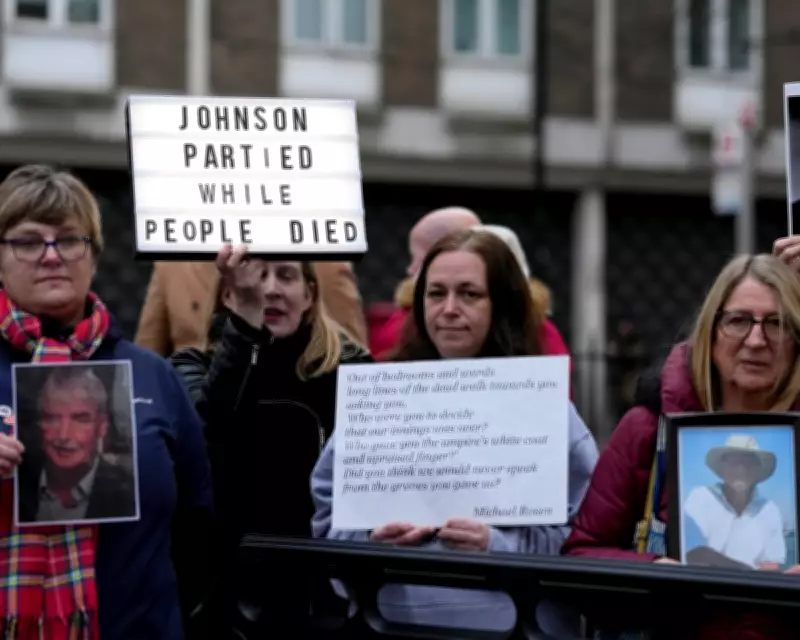
On the final day of public hearings at London's Dorland House, members of Covid-19 Bereaved Families for Justice UK gathered holding photographs of lost loved ones and signs with messages like "Partygate is your legacy Boris." They observed a minute's silence for pandemic victims and vowed to continue their fight for accountability. Matt Fowler, co-founder of the group representing over 7,000 families, urged officials to use the inquiry's findings as a blueprint for "brave, decisive, urgent action" and warned that the country remains unprepared for future crises.
Unprecedented Scale and Cost
The Covid inquiry's £203.98 million expenditure surpasses the previous record-holder, the Bloody Sunday Inquiry, which cost £191.2 million. This substantial sum covers inquiry setup, salaries for chair Lady Hallett and legal teams, and the extensive running of hearings across the UK. A spokesperson defended the cost, noting the inquiry's broader scope than any previous public investigation, with 238 hearing days, 381 witnesses, and over 600,000 evidence documents comprising approximately 5 million pages.

Key Findings and Unfinished Business
Lady Hallett has published findings from the first two of ten investigation modules. Her initial report identified "fatal strategic flaws" in UK pandemic planning that failed citizens, while the second criticized Boris Johnson's "toxic and chaotic" government culture, suggesting 20,000 lives could have been saved with earlier lockdowns. The bereaved families have welcomed these "hard-hitting, clear-sighted and damning" conclusions while arguing they should have gone further.
Naomi Fulop, whose 94-year-old mother Christina died after contracting Covid from an inadequately protected care worker, described the day as "bittersweet" for families. "It's very satisfying to have got to the end of an inquiry we fought for, and the two reports vindicate what we've been saying for years, but there's also sadness," she said. Fulop acknowledged concerns about the inquiry's financial burden but insisted it "absolutely has been worth it," arguing that preparedness costs pale compared to the price of being unprepared.
Looking Forward: Recommendations and Reforms
The inquiry's remaining eight reports will be published gradually, with five scheduled for this year and three in early 2027. Bereaved families are now shifting focus to ensuring recommendations are fully implemented. They continue campaigning for the Hillsborough Law, which would impose a legal "duty of candour" on public authorities to potentially reduce future inquiry costs. Fowler pledged the group would "fight to remove Covid crooks from the Lords and any public office" while pursuing accountability for their loved ones' deaths.
Value Versus Cost Debate
Despite the record-breaking expenditure, an inquiry spokesperson emphasized the long-term value: "Only a fraction of the billions spent during the Covid-19 pandemic needs to be saved next time for this inquiry to have been worth it." This perspective is shared by many bereaved relatives who argue that per capita, the cost is relatively small compared to the pandemic's universal impact. The group points to the impending results of Exercise Pegasus, the UK's largest pandemic simulation, as evidence of how much work remains to address systemic gaps.
As the inquiry transitions from evidence gathering to report publication, the central question remains whether this costly exercise will translate into meaningful change. With families determined to maintain pressure on authorities and conspiracy theorists attempting to politicize the findings, the inquiry's legacy will ultimately depend on how its recommendations reshape Britain's approach to future public health emergencies.