Traces of a weedkiller classified as a probable human carcinogen have been detected in the majority of children's playgrounds tested across parts of the UK, sparking urgent calls for its use to be heavily restricted.
Widespread Contamination in Play Areas
Campaigners from the Pesticides Action Network (Pan) UK conducted a series of tests at 13 playgrounds located in Kent, Cambridgeshire, Buckinghamshire, Tower Hamlets, and Hackney. Their investigation revealed a concerning result: traces of glyphosate, or its breakdown product AMPA, were found at eight of the 13 sites.
The only area where no residue was detected was Hackney, which notably ceased using glyphosate in its public green spaces back in 2021. This finding highlights a direct link between council spraying policies and the presence of the chemical where children play.

"Deeply Concerning" Risk to Children's Health
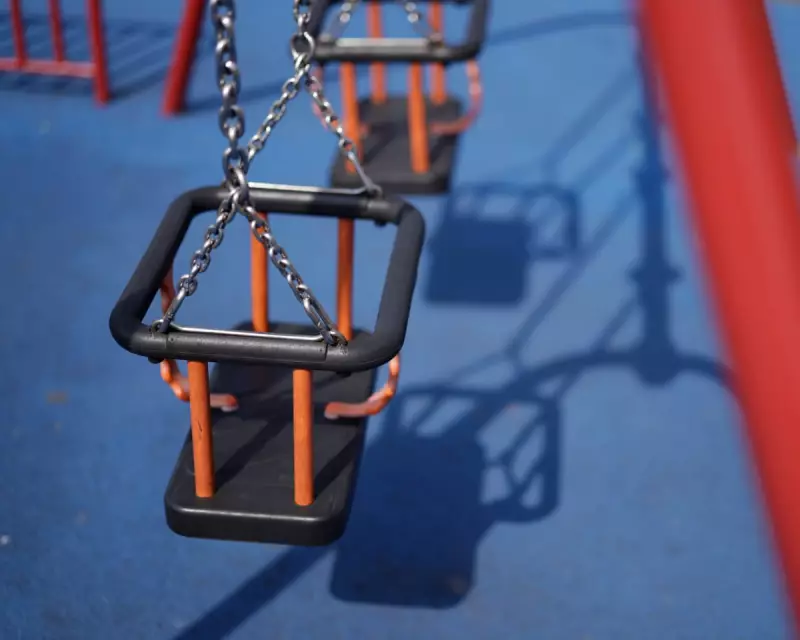
Nick Mole from Pan UK expressed grave concern over the results. He emphasised that the discovery of residues on play equipment like swings and slides is particularly alarming given young children's tendency to put their hands and objects in their mouths.
The World Health Organization has listed glyphosate as a probable human carcinogen since 2015. Despite this, UK local authorities continue to apply thousands of litres of glyphosate-based herbicides in parks, playing fields, pavements, and cemeteries.
Professor Michael Antoniou, a molecular genetics and toxicology expert at King's College London, warned that the science points to significant risks. "Our studies have shown that exposure to glyphosate herbicides is a significant risk factor for the development of a range of serious health conditions," he stated, citing links to fatty liver disease, kidney disease, and various cancers including leukaemias. He concluded that a safe dose of glyphosate is currently unknown.
Mounting Pressure for a Ban and Safer Alternatives
Political and public pressure is now intensifying. The Health and Safety Executive is due to re-examine the authorisation for glyphosate use this year, with a public consultation expected soon.
Green MP for Brighton Pavilion, Siân Berry, has tabled a private member's bill calling for councils to ban glyphosate in public areas. She argues that many councils already use alternative, safer methods to manage plant growth without resorting to hazardous chemicals.
Parents at Victoria Park in Tower Hamlets echoed these concerns. Dafina Bozha, shocked by the findings, said the playground should be her child's safest place. Another mother, Naz B, criticised the use of unnatural chemicals in spaces meant for nature and play, advocating for the many organic products available.
The campaign by Pan UK underscores a critical public health issue, pushing for immediate action to eliminate unnecessary exposure, especially for the UK's most vulnerable citizens—its children.