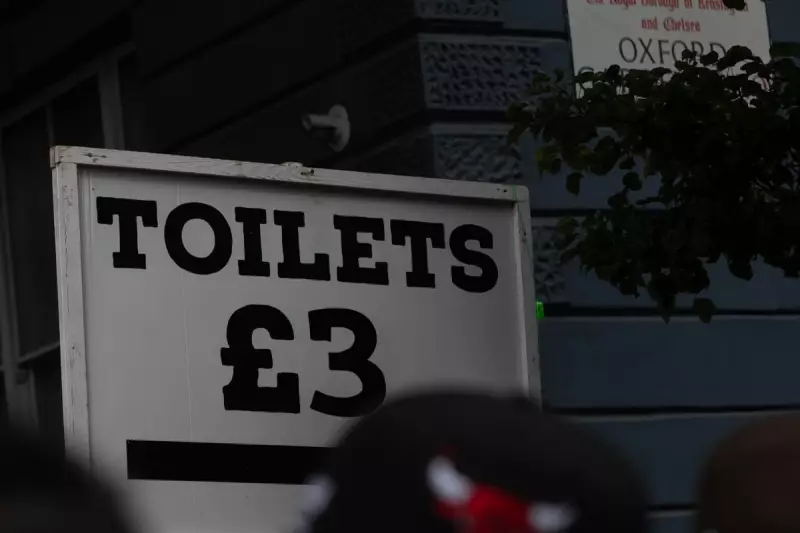
London's public toilets have been ranked among the most unhygienic in the United Kingdom, according to startling new research that exposes the poor state of public facilities across the country.
The Dirty Truth About Britain's Public Toilets
A comprehensive study conducted by waste management company Business Waste has revealed that London occupies fourth place in the national ranking of cities with the most unsanitary public conveniences. The research, published in November 2025, found that 12.4% of online reviews for London's public toilets described them as dirty or poorly maintained.
While this statistic might alarm London residents and visitors, the situation appears even more dire in other historic British cities. York claimed the dubious honour of having the worst public toilets in the entire country, achieving a hygiene score of just -1.5 out of 100. The picturesque cities of Bath and Cambridge followed closely behind, both scoring below 10 on the hygiene scale.

Paid Facilities Performing Worst
Surprisingly, the investigation discovered that some of the most heavily criticised facilities are those that charge users for access. Among London's worst-rated public toilets are the Cutty Sark facilities in Greenwich, where visitors pay 50p for entry yet receive an experience that has earned an average rating of just 1.8 stars out of five.
Nearly half of all reviews for these paid facilities specifically mention issues with dirt and general untidiness. This pattern extends beyond London, with paid public toilets in York and Plymouth also ranking among the most unhygienic in the study.
Mark Hall, a London-based waste management expert and co-owner of Business Waste, expressed concern about these findings. "Public toilets are an essential service, yet they're disappearing faster than ever," he stated. "It's shocking that some of the dirtiest are paid facilities - that money should be going straight back into cleaning and maintenance."
Maintenance Challenges in the Capital
Experts suggest that London's relatively poor performance must be viewed in the context of the enormous scale of its public facilities network. The capital maintains 118 public toilets - the largest number in any UK city - presenting significant challenges for consistent cleaning and upkeep across such a sprawling system.
The research emerges amid growing concerns that budget reductions and decreased maintenance investment are contributing to the steady decline of public facilities throughout the United Kingdom. Hall emphasised the importance of reversing this trend, particularly in major urban centres.
"In a time of national and local budget cuts, it's vital that councils invest more in keeping these essential public spaces clean, safe and accessible, especially in a city as busy and visited as London," he urged.
While London may have avoided the title of worst in Britain, the report concludes that substantial improvements are necessary to ensure the capital's public facilities meet the standards expected of one of the world's leading cities.