Measles Outbreak Surges Across the United States, Prompting Urgent Health Alerts
A concerning measles outbreak has been reported in the United States, with new cases emerging at an alarming rate across multiple states. Health authorities are issuing urgent alerts to the public, emphasising the need for immediate action to contain this highly contagious viral disease.
Rising Case Numbers and Geographic Spread
The outbreak has seen a sharp increase in measles infections, with clusters of cases identified in various regions, including urban and rural areas. Officials note that the virus is spreading rapidly, particularly among unvaccinated populations, leading to hospitalisations and severe complications in some instances.
Measles, known for its high transmissibility, can cause symptoms such as fever, cough, runny nose, and a distinctive red rash. In severe cases, it may lead to pneumonia, encephalitis, or even death, especially in young children and immunocompromised individuals.

Public Health Response and Vaccination Efforts
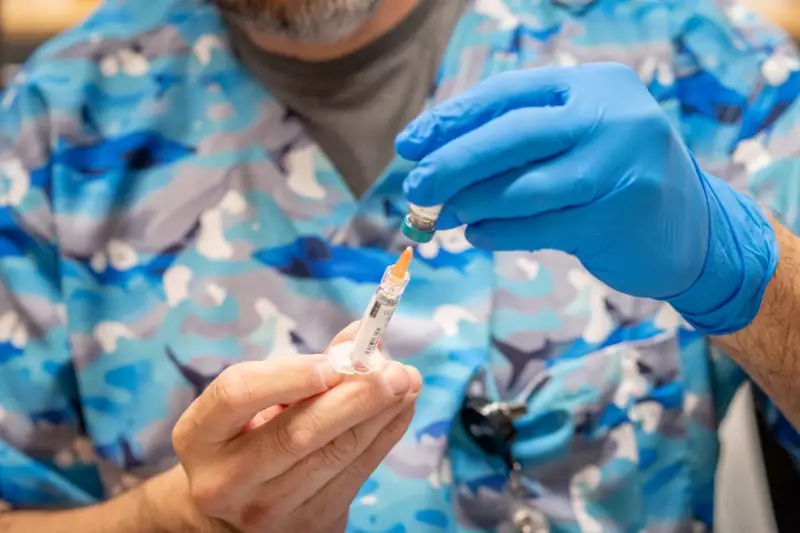
In response to the outbreak, public health agencies are ramping up vaccination campaigns and awareness initiatives. They are strongly recommending that individuals, especially children and those in high-risk groups, receive the measles, mumps, and rubella (MMR) vaccine, which is highly effective at preventing the disease.
Experts attribute the resurgence of measles to factors such as declining vaccination rates, misinformation about vaccine safety, and increased travel that facilitates the virus's spread. Authorities are working to address these challenges through community outreach and educational programmes.
Preventive Measures and Public Guidance
To mitigate the outbreak, health officials advise the following steps:
- Ensure that all eligible individuals are up-to-date with their MMR vaccinations.
- Monitor for symptoms and seek medical attention promptly if measles is suspected.
- Practice good hygiene, such as frequent handwashing, to reduce transmission risks.
- Avoid close contact with infected individuals and follow quarantine guidelines if exposed.
The situation remains fluid, with ongoing surveillance to track new cases and assess the effectiveness of containment strategies. Public cooperation is deemed crucial in halting the spread and protecting vulnerable communities from this preventable disease.