Victorian Medical Panel Delays Prolong Trauma for Families of Custody Death Victims
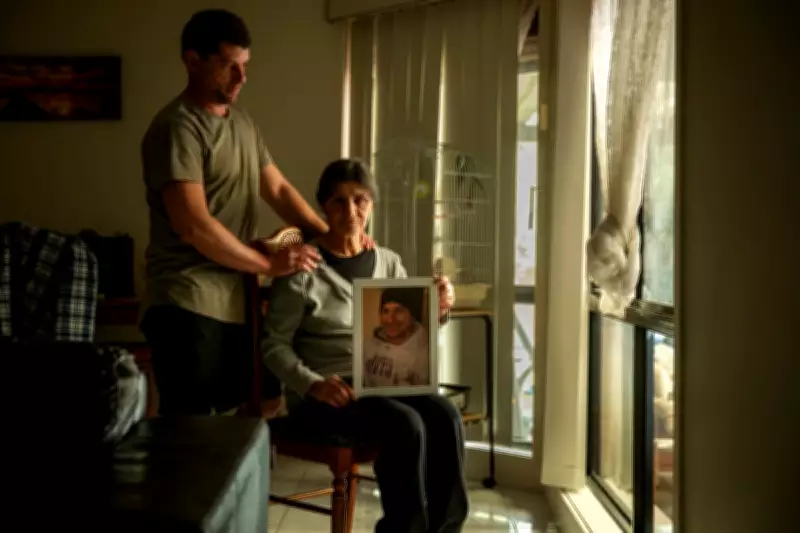
Mary Culleton and her son Gary are being forced to undergo medical panel hearings to confirm the psychological damage they suffered following the death of Darren Culleton in police custody. This process, which can take up to ten months after referral, is described as retraumatizing for families already devastated by loss.
Darren Culleton, a 30-year-old Indigenous Australian, died after self-harming in the back of a police divisional van in 2021. A coroner later ruled his death "a preventable tragedy" that resulted from communication failures, lack of training, and absent policies.
The Labyrinthine Compensation Process
After a family member dies in custody, surviving relatives must navigate a complex legal pathway that includes police investigations, inquests, and civil lawsuits. The final hurdle often involves appearing before an independent medical panel to prove the extent of their psychological injury.

These panels, composed of medical experts, assess whether mental injuries meet the threshold for compensation claims against the Victorian government or its entities, including police, hospitals, and prisons. The process only occurs when defendants dispute the damages in civil cases.
"Of course I want it to end," says Mary Culleton, who attended a medical panel hearing after her son's death. "It brings everything back to that day, what happened to him."
Growing Delays and Increasing Referrals
According to internal emails seen by media outlets, the average delay after referral has stretched to nine to ten months for psychological injuries and eight to ten months for combined physical and psychological injuries. This represents a significant increase from the six-month wait times reported earlier.
Associate Professor Peter Gibbons, convener of Medical Panels, confirmed in a September email that referral numbers have continued to increase over the past 12-18 months, resulting in "significant increase in demand for panel hearings."
Gary Culleton, Darren's twin brother, says the lengthy process constantly resurrects his grief. Multiple delays between the inquest, filing his civil case, and the medical panel hearing forced him to reread traumatic details about his brother's death.
"Bringing up things after such a long delay, you forget a lot of major key points," Gary explained. "Things I've worked really hard to block out, I just forget about them. I've already dealt with the drama of it, but then have to just relive it all again."
Critics Call Referrals "Indiscriminate"
Legal representatives argue that requesting medical panel referrals has become a deliberate government tactic to reduce compensation claims. Jeremy King from Robinson Gill, representing both the Culleton family and relatives of Joshua Kerr, another Indigenous man who died in custody, says defendants "indiscriminately refer all plaintiffs, including children, mothers and vulnerable Aboriginal Elders."
Joshua Kerr, a 32-year-old Gunaikurnai and Yorta Yorta man, died of methamphetamine toxicity in Port Phillip Prison in 2022 after calling for help through an intercom system. His mother, Aunty Donnas Kerr, a member of the Stolen Generations, is among six family members referred to the medical panel, including Kerr's two children who were 12 and 15 when he died.
A 2024 inquest found Kerr's death was preventable, noting correctional and medical staff failed to properly communicate despite similar issues being identified in an earlier inquest.
Government Response and Support Services
The Victorian government spokesperson acknowledged the importance of timely hearings and the impact of delays on claimants. "Medical Panels is working to reduce processing timelines through recruitment of additional specialists like psychiatrists, expanding resources and increasing the number of panel hearings held per week," the spokesperson said.
For those affected by these issues, crisis support services remain available across Australia. Lifeline provides support at 13 11 14, while the Indigenous crisis hotline 13 YARN operates at 13 92 76.

The medical panel system, designed to assess legitimate compensation claims, has instead become another source of prolonged suffering for families seeking justice for loved ones lost in custody. As referrals increase and delays lengthen, critics question whether the process serves justice or merely protects government interests at the expense of traumatized families.