Meningitis Resurgence at University of Kent Prompts Public Health Alarm
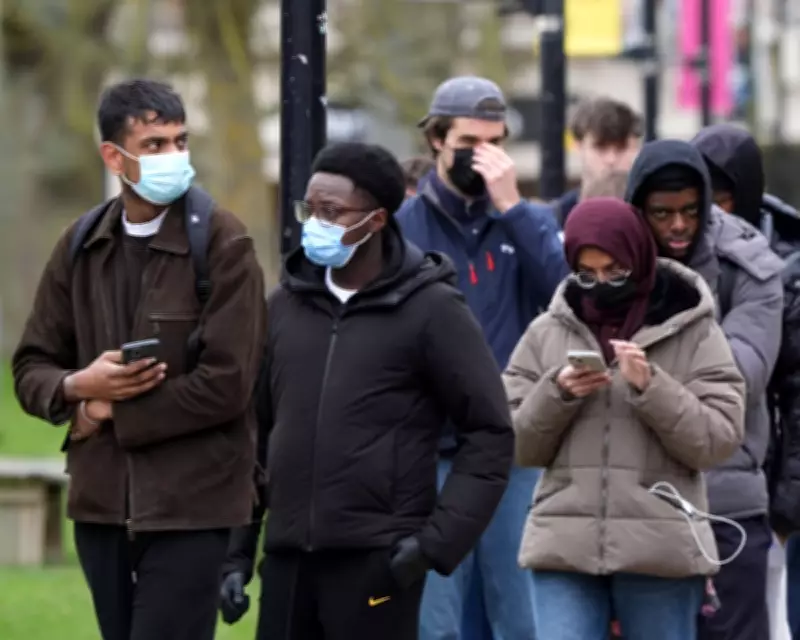
Students were seen queuing for antibiotics at the University of Kent in Canterbury on March 17, 2026, as a meningitis outbreak has reignited public health concerns across the UK. With two tragic deaths and 13 confirmed cases, this incident underscores the critical need for ongoing investment in public health infrastructure and vaccination programs.
Understanding the Meningitis Threat
Meningitis, a serious infection of the protective membranes surrounding the brain and spinal cord, has been a persistent public health issue for decades. In the 1990s, the UK recorded approximately 2,500 lab-confirmed cases of meningococcal disease annually, primarily caused by meningococcal group C bacteria. The introduction of the MenC vaccine in 1999 led to a dramatic 96% reduction in group C cases, dropping to about 30-40 cases per year.
Subsequent vaccination programs expanded to cover groups ACWY, further decreasing infection rates. However, the COVID-19 pandemic inadvertently caused meningitis cases to plummet to record lows due to restrictions on social mixing. In 2020-21, England saw only 80 confirmed cases, but numbers have since rebounded sharply, with 205 cases in 2021-22, 396 in 2022-23, and nearly 400 in 2024-25.

The Rise of MenB and Vaccination Gaps
A significant shift in the current outbreak is the predominance of MenB bacteria, which accounts for the majority of recent cases, particularly among young people. Previous vaccination campaigns did not target this strain. While the NHS introduced the MenB vaccine to the routine childhood immunization schedule in 2015, it only covers children born after that year, leaving older children and young adults, including university students, unprotected.
The University of Kent cluster has been identified as MenB, raising alarms about the large percentage of the population without vaccination protection against this strain. University settings are particularly vulnerable to meningitis outbreaks due to high levels of social mixing. The bacteria spread through close physical contact, such as sharing vapes, kissing, coughing, sneezing, or crowded environments like nightclubs and bars.
Public Health Response and Containment Efforts
Health officials have implemented immediate measures to contain the outbreak. The first step involves identifying close contacts of infected individuals, providing them with antibiotics, isolating them to prevent further spread, and monitoring for symptoms like fever, rash, stiff neck, or severe headaches. Early medical intervention is crucial to reduce the risk of long-term complications, including nerve damage or death.
Following strain identification, a targeted MenB vaccination program has been initiated for university students in Kent, employing a ring vaccination strategy. This approach, used in previous outbreaks, aims to protect those potentially exposed and contain disease spread. While evidence on the MenB vaccine's ability to reduce transmission is mixed, it offers significant protection against severe disease. Vaccination during an outbreak is safer than remaining unvaccinated, though it may not alone contain the disease.
The Broader Implications for Public Health
UK public health teams are prioritizing containment of the MenB spread, with current efforts appearing effective as data on this specific strain emerges. This outbreak serves as a stark reminder of the importance of sustained investment in public health. The field has faced decline since the COVID-19 pandemic and subsequent political changes, highlighting that effective public health often operates invisibly, preventing outbreaks before they occur.
Moreover, this incident reinforces the power of vaccines and the critical need to build population immunity through routine vaccination programs. As Prof Devi Sridhar, chair of global public health at the University of Edinburgh, emphasizes, a robust public health system is essential for safeguarding communities against emerging and re-emerging threats.