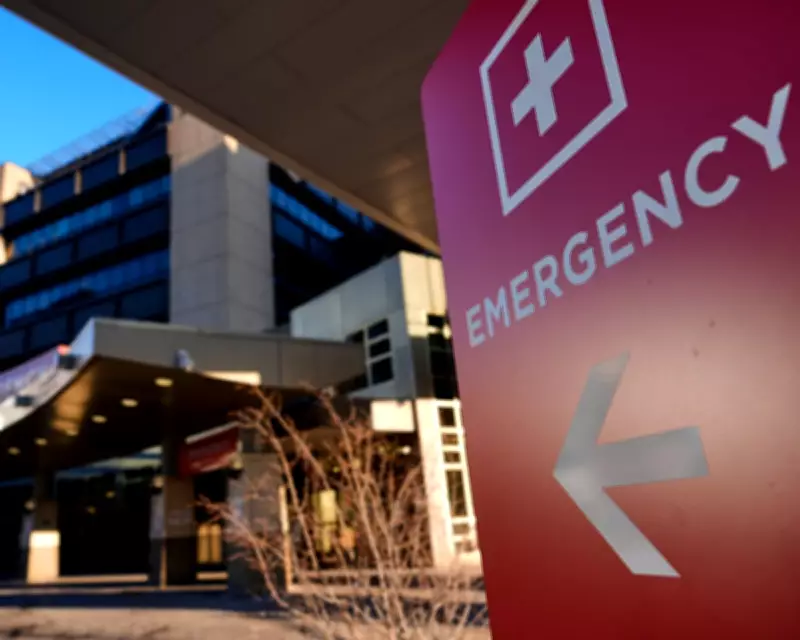
A severe public health crisis is escalating in Minneapolis, Minnesota, as residents targeted by federal agents are becoming too frightened to seek essential healthcare services. This alarming situation has forced community organisations and health providers to implement urgent alternative care measures, including home visits and telehealth appointments, to address the growing gap in medical access.
Widespread Fear Disrupting Routine and Emergency Care
Angela Conley, Hennepin County Commissioner for District 4, reports that many residents are now refusing to leave their homes for work, doctor appointments, scheduled checkups, or even necessary surgeries. This fear stems from concerns about immigration enforcement actions, affecting individuals regardless of their legal status. Pregnant patients are opting to labour at home, while diabetic individuals are diluting or skipping insulin doses. Injured and sick people are avoiding hospitals altogether, postponing critical treatments.
Munira Maalimisaq, founder and CEO of the Inspire Change Clinic in Minneapolis, emphasises that even documented individuals and United States citizens are avoiding medical appointments. She warns that when people are too afraid to seek care, diseases worsen, emergencies increase, and preventable deaths occur. The immediate and long-term health dangers include heightened stress, food insecurity, exacerbation of chronic illnesses, and acute medical emergencies.

Community Response and Rapid Intervention
In response to this crisis, community organisations, local programmes, and volunteers have swiftly organised home visits for medical care and appropriate telehealth services. Neighbours are coordinating rides to clinics and hospitals, while also collecting prescriptions, groceries, formula, and diapers for those in need. Erin Stevens, a physician in Minneapolis, highlights efforts to ensure hospitals remain safe and to amplify existing systems for alternative care, such as telehealth and prescription delivery.
Maalimisaq established a rapid response unit at her clinic in December after noticing a surge in cancelled appointments. This initiative gained momentum when she received a call about a nine-month pregnant woman who refused ambulance transport to hospital due to fear. Maalimisaq and an OB-GYN visited the woman, discovered she was 8cm dilated, and personally drove her to hospital for a safe delivery. Following this, requests flooded in from doctors seeking help with medication delivery and patient checkups.
Healthcare Workers and Systemic Challenges
Mary Turner, president of National Nurses United and an ICU nurse in Minneapolis, expresses grave concern that patients avoiding medications and treatments will lead to fatalities. She dreads the prospect of discovering individuals dead in their homes because they feared seeking medical care. Many organisations, including National Nurses United, are calling for the abolition of US Immigration and Customs Enforcement, citing it as a violent and racist agency.
Healthcare providers themselves are also fearful of detention, with the Department of Homeland Security auditing hospital employment records. At Turner's hospital, workers under threat are leaving sealed envelopes with their union representatives containing contact information and details about family members and pets, in case they suddenly disappear.
Official Measures and Ongoing Risks
Hennepin County and the City of Minneapolis have launched Operation Reconnect, a 24/7 incident command centre to address public health needs during this crisis. This programme partners with neighbourhood organisations on food drives, clothing swaps, and medical transportation. Commissioner Conley urges residents to attend hospitals and clinics if sick, but assures that for those unable to leave, support will come to them.
Despite most clinic and hospital areas being private property requiring judicial warrants for federal agent entry, the pervasive fear persists. These health issues compound the immediate dangers of clashes, including car crashes, teargas, pepper spray, and rubber bullets. Detainees report poor conditions and inadequate medical care, with 32 deaths in ICE custody last year highlighting systemic failures.

Maalimisaq, who is Somali, acknowledges her vulnerability but remains committed to providing care, stating that healthcare must remain safe and accessible for everyone. She and other providers are using their voices to advocate for patients who cannot speak up for themselves, determined to do whatever it takes to ensure access to essential medical services during this unprecedented crisis.