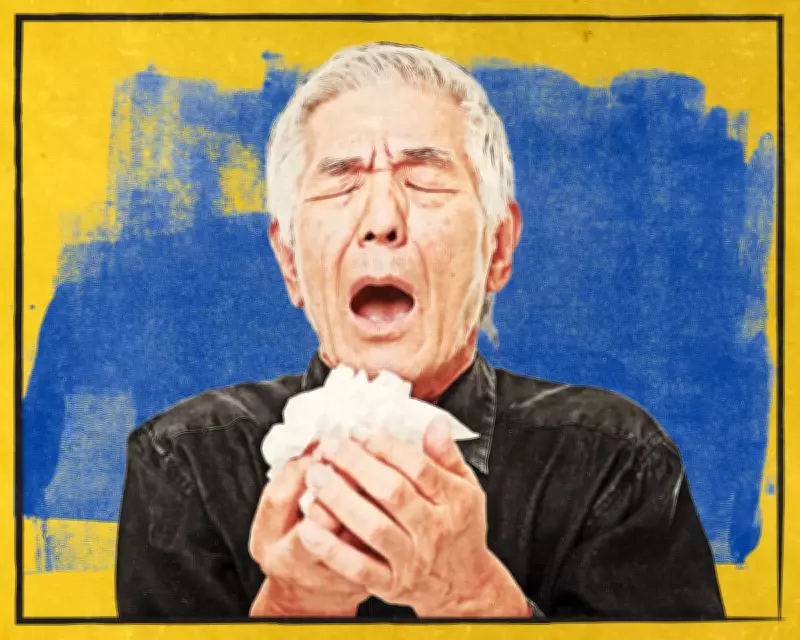
New scientific insights are shedding light on the explosive and involuntary reflex of sneezing, revealing how it is intricately shaped by factors such as illness and environmental pollution. This common bodily action, often dismissed as a mere nuisance, plays a crucial role in human health and has significant implications for public spaces and hygiene.
Understanding the Sneezing Mechanism
Sneezing is a complex, involuntary reflex triggered by the irritation of nasal passages. When foreign particles, such as dust, allergens, or pathogens, enter the nose, sensory nerves send signals to the brainstem, initiating a coordinated response. This involves a deep inhalation followed by a forceful expulsion of air through the nose and mouth, reaching speeds of up to 100 miles per hour. The reflex serves as a protective mechanism, clearing irritants and potentially harmful substances from the respiratory tract.
Illness as a Key Influencer
Illnesses, particularly respiratory infections like the common cold, flu, or allergies, can significantly alter sneezing patterns. During an infection, the immune system responds by increasing mucus production and inflammation in the nasal lining, making the nerves more sensitive. This heightened sensitivity leads to more frequent and intense sneezes as the body attempts to expel viruses or allergens. Research indicates that individuals with chronic conditions, such as allergic rhinitis, may experience sneezing as a primary symptom, highlighting its role in disease management and diagnosis.

Pollution's Impact on Sneezing Reflexes
Environmental pollution, including airborne pollutants like particulate matter, ozone, and chemical irritants, has been linked to an increase in sneezing episodes. Pollutants can directly irritate the nasal mucosa, triggering the reflex even in the absence of illness. Studies suggest that urban areas with high pollution levels may see higher rates of sneezing-related issues, contributing to public health concerns. This connection underscores the importance of air quality management in reducing respiratory discomfort and potential disease spread.
Broader Implications for Society
The findings on sneezing have broader implications for public health and social behaviour. In crowded or enclosed spaces, such as public transport or offices, frequent sneezing can facilitate the transmission of illnesses, emphasising the need for good hygiene practices like covering sneezes and regular handwashing. Additionally, understanding how pollution exacerbates sneezing can inform policies aimed at improving air quality, potentially reducing healthcare costs and enhancing quality of life.
As research continues, scientists are exploring ways to modulate the sneezing reflex, which could lead to new treatments for conditions like allergies or chronic sneezing disorders. By delving into this explosive reflex, we gain a deeper appreciation of the human body's intricate defences and the environmental factors that shape our daily health experiences.