UK Stripped of Measles-Free Status as Vaccination Rates Decline
The United Kingdom has been officially stripped of its measles-free status by the World Health Organization, marking a significant setback in public health following years of declining vaccination rates and increasing disease transmission.
Wake-Up Call from Global Health Authorities
Experts have described the WHO's decision as a stark wake-up call for the nation, highlighting how preventable diseases can quickly re-establish themselves when immunisation coverage falls below critical thresholds. The UK now joins five other European and central Asian countries – Spain, Austria, Armenia, Azerbaijan and Uzbekistan – in losing its elimination status for this highly contagious viral infection.
The World Health Organization confirmed it no longer classifies Britain as having eliminated measles because the disease has become re-established within the population. This reversal comes despite the UK having maintained elimination status between 2021 and 2023, demonstrating how quickly public health gains can be eroded.

Alarming Statistics Reveal Growing Crisis
The data paints a concerning picture of measles resurgence across the country. There were 3,681 recorded cases in 2024 alone, representing a significant increase that has prompted health authorities to reassess the situation. Perhaps more troubling is the mortality data, which shows 20 measles deaths occurring in the six years between 2019 and 2025 – the same number of fatalities recorded during the entire 19-year period between 1999 and 2018.
Dr Simon Williams, a public health researcher at Swansea University, expressed disappointment at the development. "It's sad to see the UK losing its measles elimination status, although it's not surprising given outbreaks in recent years," he stated. "Measles is an eminently preventable disease but vaccine coverage of MMR has declined. We are seeing vaccine hesitancy growing in the UK, as in many countries, and social media-based conspiracies about MMR are a factor."
Vaccination Coverage Continues Downward Trend
The most recent annual data reveals a worrying decline in MMR vaccination uptake across England. Coverage of the first MMR jab has fallen from 91.9% in 2015-16 to 88.9% in 2024-25. Similarly, the proportion of five-year-olds receiving the crucial second dose – recommended by WHO to ensure full immunity – has dropped from a peak of 88.2% in 2015-16 to just 83.7% in 2024-25.
These figures fall well below the 95% coverage threshold that the World Health Organization identifies as necessary to achieve herd immunity and eliminate measles, mumps and rubella completely from a population.
Systemic Challenges Beyond Vaccine Hesitancy
While vaccine hesitancy undoubtedly contributes to declining immunisation rates, healthcare professionals emphasise that systemic barriers present equally significant obstacles. Dr Helen Stewart, officer for health improvement at the Royal College of Paediatrics and Child Health, argues that "the UK measles resurgence is a failure of policy, not parenting."
"While vaccine hesitancy plays a role in low vaccine uptake, the reality is that there are many who simply need better support and easier access to appointments," Dr Stewart explained. "When appointments are difficult to get and support isn't there, the system ends up failing the very families who need it most."
A report from the college last year identified multiple access barriers preventing families from vaccinating their children, including difficulties booking appointments, transportation challenges, and inconsistent access to the same general practitioner for follow-up care.
International Concern and Call to Action
The WHO's European regional verification commission for measles and rubella elimination has expressed particular concern about "the loss of measles elimination status in some member states, including some with high-performing immunisation programmes." The commission highlighted that the vast majority of measles cases across Europe occur in unvaccinated individuals and urged governments to revitalise vaccination efforts.

Dr Vanessa Saliba, a consultant epidemiologist at the UK Health Security Agency, emphasised the urgency of the situation. "Infections can return quickly when childhood vaccine uptake falls," she warned. "Measles elimination is only possible if all eligible children receive two MMRV doses before school. Older children and adults who missed vaccination must be caught up."
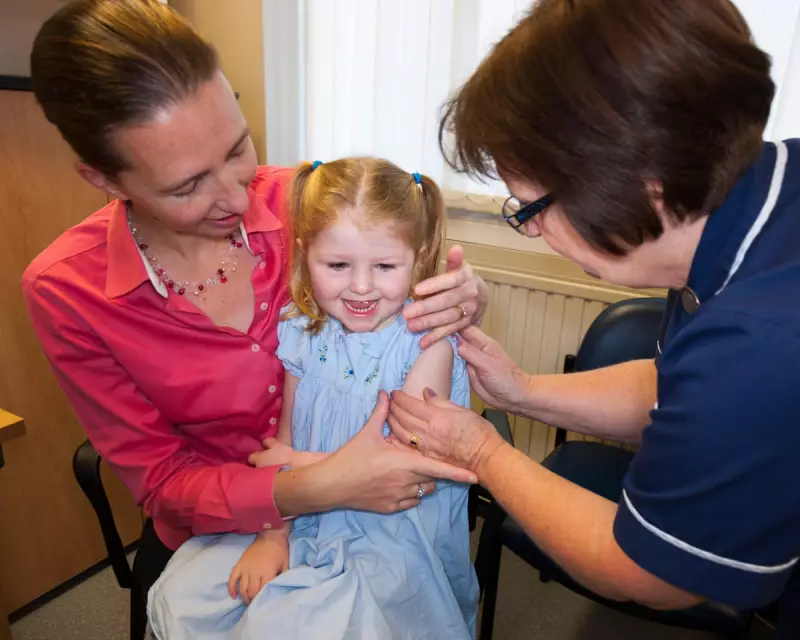
The standard UK immunisation schedule offers children two doses of the MMR vaccine at 12 and 18 months old, but coverage has been declining consistently over the past decade. Public health experts now face the challenging task of reversing this trend and restoring the high vaccination rates necessary to protect vulnerable populations and eventually regain measles-free status.