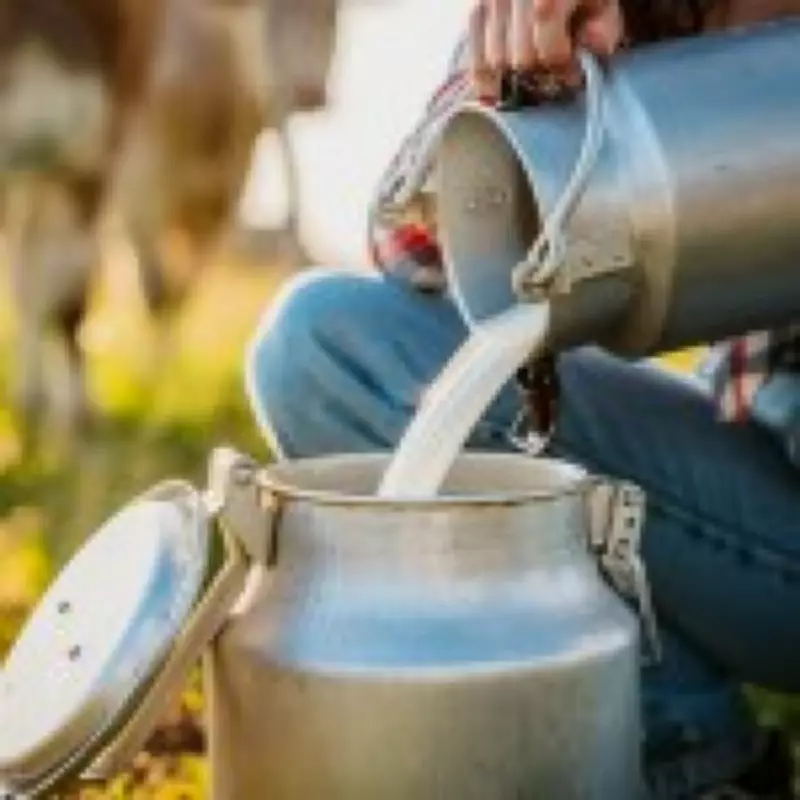
The Raw Milk Craze: Why It's Banned in UK Supermarkets
Raw milk, also known as unpasteurised dairy, is experiencing a surge in popularity, largely fueled by social media influencers and wellness trends. However, this growing fascination clashes with strict regulations in the United Kingdom, where selling raw milk in supermarkets or high street shops has been illegal since 1985 in England, Wales, and Northern Ireland, with an outright ban in Scotland. This prohibition stems from significant health hazards associated with consuming untreated dairy products.
Influencers and the Raw Milk Movement
The trend has gained momentum through figures like Hannah Neeleman of Ballerina Farm, a Utah-based influencer with over 10.5 million TikTok followers. Neeleman, often dubbed the 'queen of the tradwives,' has promoted raw milk from her farm, despite recent scrutiny. In 2025, the Utah Department of Agriculture and Food detected elevated coliform bacteria levels, including E. coli, in her bottled raw milk. Although Neeleman and her husband Daniel halted sales in August 2025 and denied selling unsafe products in a viral TikTok video with 2.5 million views, they retracted an earlier claim that raw milk is '100% safe,' acknowledging that perfect safety is impossible.
This influencer-driven boom is not isolated to the United States. In the UK, raw milk sales have skyrocketed, rising from 610,000 litres in 2014 to three million litres in 2018, according to Farmers' Weekly. TikTok alone hosts over 40,000 posts extolling purported benefits, such as improved digestion, enhanced immunity, and anti-inflammatory properties, often comparing raw milk to breastmilk. Google searches for 'raw milk' have steadily increased since 2022, with a notable spike in 2025 and a 40% rise in UK searches for 'raw milk near me' during the same period.

Health Risks and the Science Behind Pasteurisation
Despite its trendy appeal, raw milk poses serious health dangers. Food safety expert Sylvia Anderson emphasises that pasteurisation is a critical safety measure. This process involves heating milk to approximately 72°C for at least 15 seconds, followed by rapid cooling, which effectively destroys harmful bacteria like E. coli, Salmonella, Listeria, and Campylobacter. These pathogens can naturally occur in raw milk and lead to severe illnesses, particularly affecting vulnerable groups such as young children, pregnant women, older adults, and individuals with compromised immune systems.
Ingesting E. coli can result in symptoms ranging from mild diarrhoea to severe stomach cramps, bloody diarrhoea, vomiting, and in extreme cases, life-threatening kidney failure. Salmonella infections present similar symptoms, along with fever, nausea, chills, and headaches, while Listeria and Campylobacter also cause diarrhoea and other complications. Data from the UK Health Security Agency shows a concerning rise in E. coli infections in England, increasing from 2,018 cases in 2023 to 2,544 in 2024, including a large outbreak in 2024 that infected 293 people, hospitalised 126, and caused two deaths.
Regulatory Framework and Consumer Safety
In response to these risks, UK regulations tightly restrict raw milk sales. It can only be purchased directly from registered producers or through limited distribution channels, accompanied by clear health warnings. Sylvia Anderson notes that from a nutritional standpoint, pasteurised and raw milk are very similar, with pasteurisation preserving key nutrients like protein, calcium, and essential vitamins. Any minor nutritional differences do not justify the potential food safety hazards, making pasteurised milk the safer choice for consumers.
The ongoing debate highlights a tension between modern wellness trends and established public health protocols. While influencers continue to champion raw milk, experts and authorities maintain that pasteurisation remains indispensable for preventing outbreaks and protecting public health, reinforcing why supermarkets across the UK are barred from selling unpasteurised dairy products.