Emergency visits for heart attack symptoms at a major Los Angeles hospital surged by nearly half in the three months following two devastating wildfires, a new medical study has found. The research indicates the health fallout from the blazes rivalled the worst periods of the Covid-19 pandemic.
Alarming Spike in Cardiac and Respiratory Cases
According to the study from Cedars-Sinai hospital, the area saw a 46% increase in emergency room visits for heart attack symptoms in the 90 days after the Palisades and Eaton fires tore through neighbourhoods in January 2025. The rates for that January even surpassed those recorded in previous Januaries, including during the peak of the coronavirus pandemic.
Dr Susan Cheng, director of public health research at Cedars-Sinai and the study's senior author, stated the data was striking. "What we saw during the wildfires was an excess of respiratory illness showing up in our ER that matched the worst years of Covid," she said.

For residents in zip codes directly affected by or adjacent to the fires, the analysis also showed a 24% increase in pulmonary illness and a shocking 218% increase in blood test abnormalities.
The Destructive Fires and Their Toxic Legacy
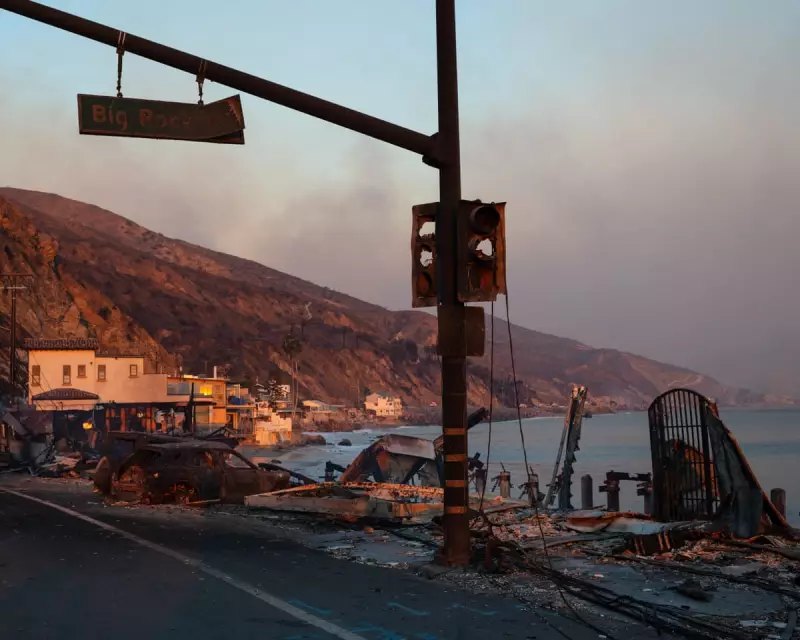
The Palisades fire, the most destructive in Los Angeles history, killed 12 people and destroyed 6,800 structures. To the east, the Eaton fire devastated Altadena, claiming 19 lives and, together with damage in Pasadena and Sierra Madre, destroying over 9,400 structures.
The research, published in the Journal of the American College of Cardiology, highlights the particular danger of these "wildland-urban interface fires". These blazes burn a mix of organic materials and man-made fuels like plastics and electronics, creating a more toxic smoke.
"For a very large number of people, the January wildfire exposures led to a biochemical or metabolic stress on the body that likely affected, not just one, but multiple organ systems," explained Dr Cheng.
Subtle Blood Clues Point to Widespread Stress
The dramatic rise in blood test abnormalities came from patients with non-specific symptoms, such as unexplained dizziness or chest pains. Their tests revealed subtle imbalances in electrolytes like sodium and potassium, or slight changes in kidney and liver function markers.
While the Cedars-Sinai medical centre is located 10 to 20 miles from the fire epicentres, the health impacts were severe and widespread. Dr Cheng admitted surprise at the scale of the increase in heart attacks and blood irregularities, which went beyond expected respiratory issues.
The study is part of an ongoing project to understand the short- and long-term health consequences of the fires. "There's a lot of work to do," Cheng concluded. "We're still working hard to put the pieces together."