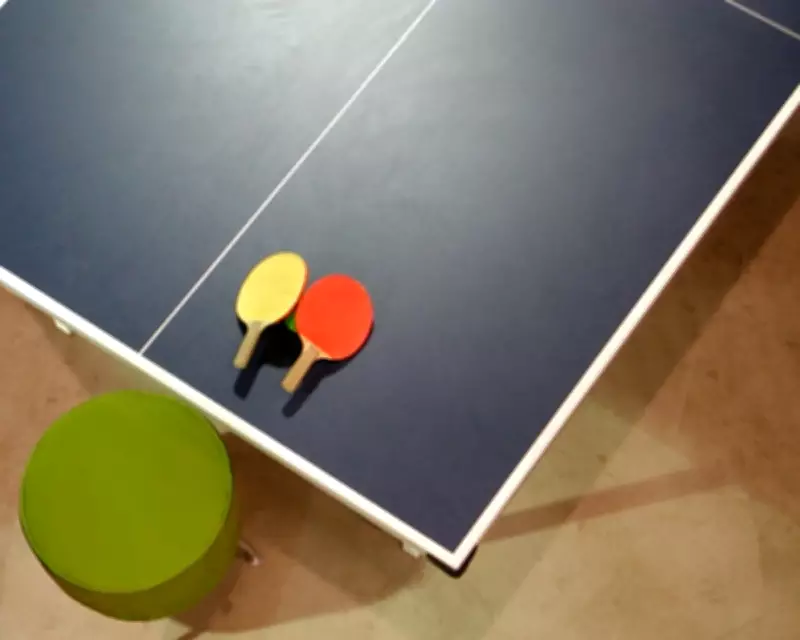
Table Tennis Gains Recognition as a Therapeutic Tool for Parkinson's Disease
In a significant development for neurological care, table tennis is increasingly being recognized as a valuable, non-pharmacological intervention for individuals living with Parkinson's disease. Recent studies and clinical observations suggest that the fast-paced, rhythmic nature of the sport can substantially improve motor control, coordination, and overall quality of life for patients.
Scientific Basis and Clinical Observations
Parkinson's disease, a progressive neurological disorder characterized by tremors, stiffness, and impaired balance, often limits patients' mobility and independence. However, engaging in regular table tennis sessions has shown remarkable benefits. The sport requires precise hand-eye coordination, rapid decision-making, and repetitive movements, which collectively stimulate neural pathways and enhance motor function.
Medical professionals and researchers note that the aerobic and anaerobic components of table tennis provide a comprehensive workout, addressing both cardiovascular health and muscle strength. This dual benefit is particularly crucial for Parkinson's patients, who frequently experience muscle rigidity and fatigue.

Accessibility and Community Impact
One of the most compelling aspects of table tennis as a therapy is its accessibility. Unlike many specialized treatments that require expensive equipment or facilities, table tennis can be played in community centers, recreational clubs, or even at home with minimal setup. This low-cost approach makes it an attractive option for widespread adoption, especially in resource-limited settings.
Community-based programs integrating table tennis have reported positive outcomes, including improved social interaction and reduced feelings of isolation among participants. The social aspect of the game fosters a supportive environment, encouraging consistent participation and adherence to exercise routines.
Future Directions and Recommendations
As evidence mounts, healthcare providers are beginning to incorporate table tennis into holistic treatment plans for Parkinson's disease. Key recommendations for maximizing benefits include:
- Regular sessions of at least 30 minutes, two to three times per week
- Adaptations for varying levels of mobility, such as seated play or modified rules
- Integration with traditional therapies, like medication and physical therapy, for a multifaceted approach
Ongoing research aims to quantify the long-term effects of table tennis on disease progression and symptom management. Preliminary data indicates potential delays in motor decline and enhanced neuroplasticity, offering hope for improved patient outcomes.
In conclusion, table tennis represents a promising, evidence-based adjunct therapy for Parkinson's disease, combining physical, cognitive, and social benefits in an accessible format. Its growing endorsement by the medical community underscores the importance of innovative, patient-centered approaches in managing chronic neurological conditions.