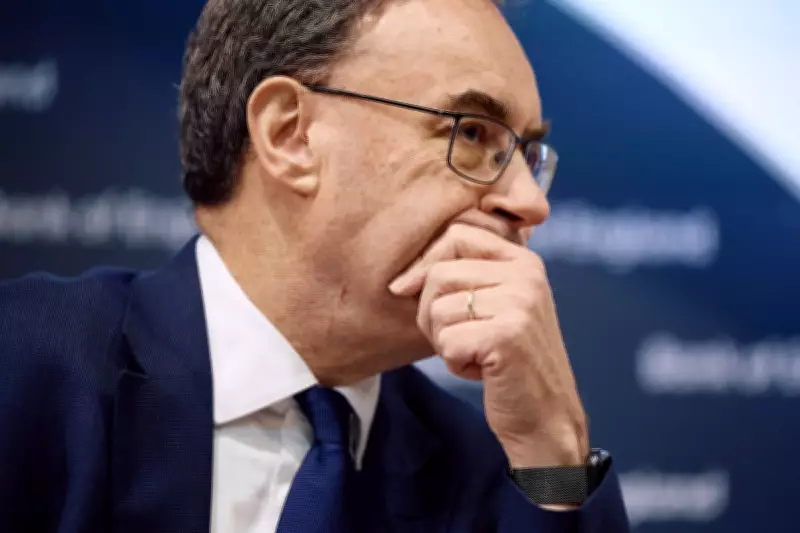
The Bank of England has all but confirmed that interest rates will be hiked in the coming months as oil prices have surged, despite opting to hold them at a meeting on Thursday. Governor Andrew Bailey voted for rates to be held at 3.75%, but the Monetary Policy Committee (MPC) warned that rates could climb back to 5.25%, reversing all six cuts seen over the last two years.
This sharp change in direction would occur if oil prices exceed $130 per barrel and remain high for the next 18 months. Updated forecasts suggest inflation would exceed 6%, while economic growth would suffer. The MPC voted 8-1 to keep rates steady, noting that tighter financial conditions have already provided some insurance against inflation.
Chief economist Huw Pill voted for a hike, citing risks of second-round effects where higher prices push up wages, potentially leading to spiraling inflation. He argued that a prompt hike would help mitigate upside risks to price stability. External member Catherine Mann said her vote to hold was "active," as financial market moves allowed her to wait for more data.

Under a medium-risk scenario, interest rates could still be hiked twice to 4.25%. Even in the best-case scenario, a rate hike this year is possible. Most members lean toward the middle scenario where inflation returns to the 2% target only by 2028.
Governor Bailey said the war in the Middle East is causing inflation to rise again. "We think this is a reasonable place given the situation of the economy and the unpredictability of events," he said. "Whatever happens, our job is to make sure that inflation gets back to the 2% target."
Even in the most benign scenario, unemployment will rise to 5.45%, leaving around 2 million people jobless. Growth projections were revised down to between 0.8% and 0.7%, assuming rates remain at 3.75%. As inflation rose to 3.3% in March, Bailey was forced to write to Chancellor Rachel Reeves explaining the surge, citing a significant impact on oil and gas supplies.